
Who Pays for the Future?
Global financing rules dictate who can act and who gets left behind.
When Finance Becomes Power
Any serious debate about the future of the UN eventually runs through finance. Not only the organization’s own resources, but the wider rules that determine which countries can build resilience, borrow on fair terms, absorb shocks, and invest in long-term progress.
Beneath the technical language sits a more fundamental question: whether the international system opening up space to act, or closing it on countries that are already under pressure.
The next Secretary-General will inherit a world where development finance is no longer an appendix to diplomacy, but rather a central tests of whether global cooperation still has legitimacy. A system that asks countries to meet climate goals, create jobs, protect health, absorb refugees, prevent conflict, and invest in future generations while paying punishing borrowing costs is not only inefficient. It is politically unstable.
The World’s Toughest Job survey offers early, indicative evidence of why this matters to young people, namely: they do not separate immediate needs from long-term priorities. 2 in 3 young people say the Secretary-General should simultaneously manage today's crises, prepare the system for future risks, and rebalance power toward young countries and the places where most future generations will live.
That is a financing argument as much as a governance argument. If money remains structured by old hierarchies, it will be harder to turn long-term priorities into real progress.
For readers who want to go deeper before going further, Decoded 2: The Selection shows how political process shapes the space the next Secretary-General will have to act, while Decoded 4: The Vision connects long-term risks to institutional choices.
1. The Role
What the UN Secretary-General actually does and why the role is often misunderstood.
2. The Selection
How the UN Secretary-General is chosen, and why the selection process might feel so opaque.
3. The Trade-Offs
How leadership operates inside the UN and why it doesn’t work like your government.
4. The Vision
Moments when the UN Secretary-General shaped the world and what the next tipping point could be.
Voice and Money Belong Together
In Dialogue 1, Ndidi Okonkwo Nwuneli, President and CEO of ONE Campaign, linked representation and money directly. "We often talk about a seat at the table," she said, "and yet, the Security Council is still dominated by the biggest funders and contributors to the United Nations." She then moved to the cost of capital: "Unlocking financing is not enough if it is not fair, if it's too expensive, if it's prohibitive." Those lines belong together. Voice and finance are not separate struggles. They are mutually reinforcing.
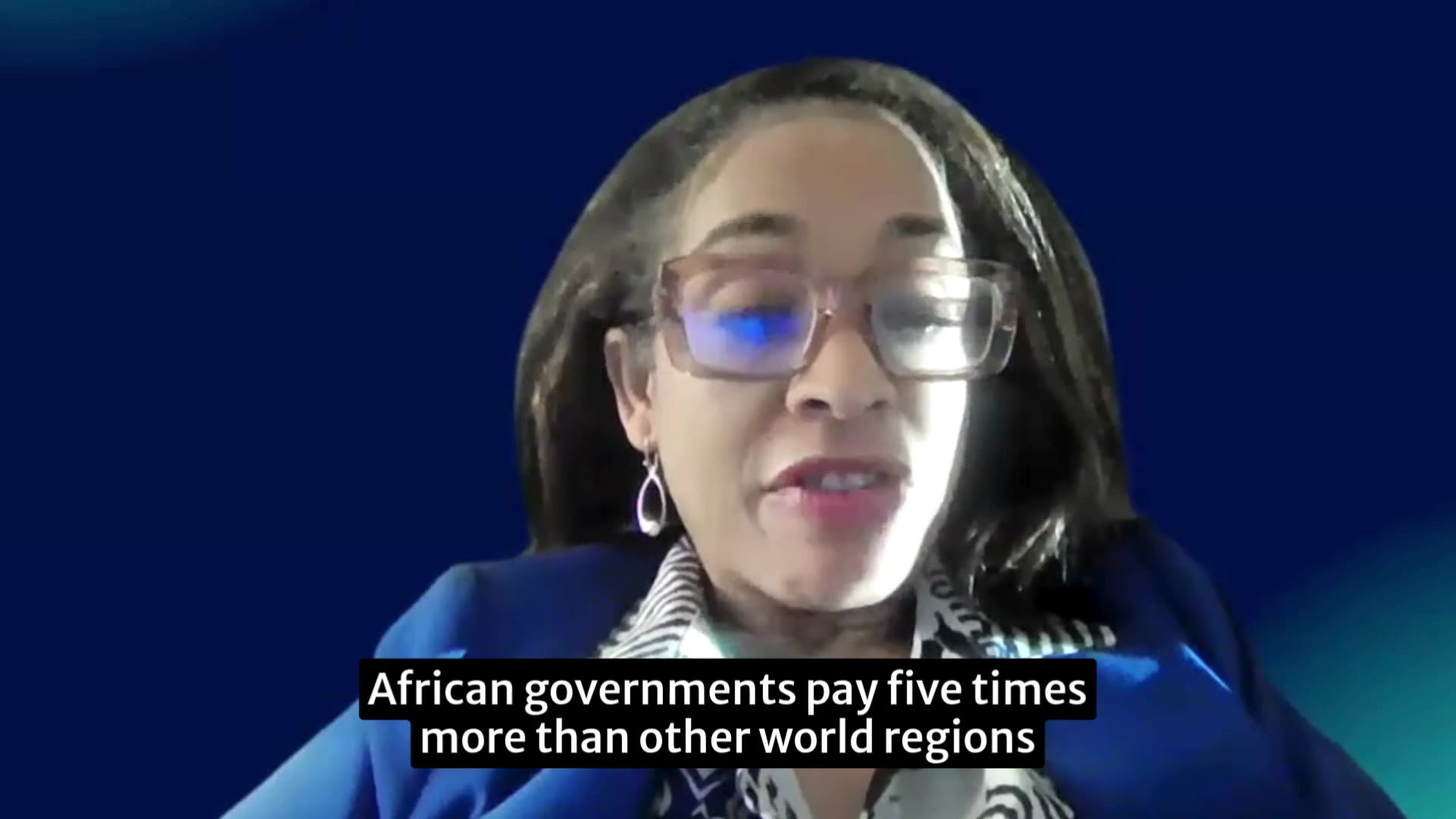
This is also where the unfinished decolonization of global governance becomes visible. Formal sovereignty gives every state a flag and a vote, but unequal financing determines whether that sovereignty can be exercised. If a country pays far more to borrow, loses capacity for crucial public spending pay off to debt, and cannot invest in jobs, energy, climate adaptation, or health, then equal membership has not translated into equal agency.
An Unfinished Argument About Fairness
That tension has deep roots in the UN’s history. Newly independent states saw the institution as a place to press for a fairer international order after the fall of empires, with demand not just for aid but also for a transformed economic system in which sovereign equality meant greater economic freedom as well.
That history is still relevant – today’s debates over debt, tax, climate finance, special drawing rights, and multilateral development banks are not entirely new. They are part of a longer unfinished argument about power, fairness, and who gets to build the future.
The financial architecture still reflects old power. Recent analysis on international financial institutions argues that reform must address governance, voting power, conditionality, surcharges, lending terms, and the voice of borrower countries. When countries most affected by climate risk, debt distress, or development constraints have the least voice in the rules, the system should not be surprised when trust erodes.
This is one of the key issues addressed by the newly launched Borrowers’ Platform. Backed by UN Trade and Development, and launched on 15 April, it brings together finance ministers and central bank governors from developing countries to strengthen debt management capacity, coordinate more effectively, and speak with a more collective voice in global debt discussions.
UN Secretary-General António Guterres called it “a breakthrough in global financing,” and its significance is clear: for decades, creditors have had organized forums, while borrowers rarely have. If this platform gains traction, it could help shift debt debates from country-specific crises toward a more balanced conversation about the rules of the system itself.
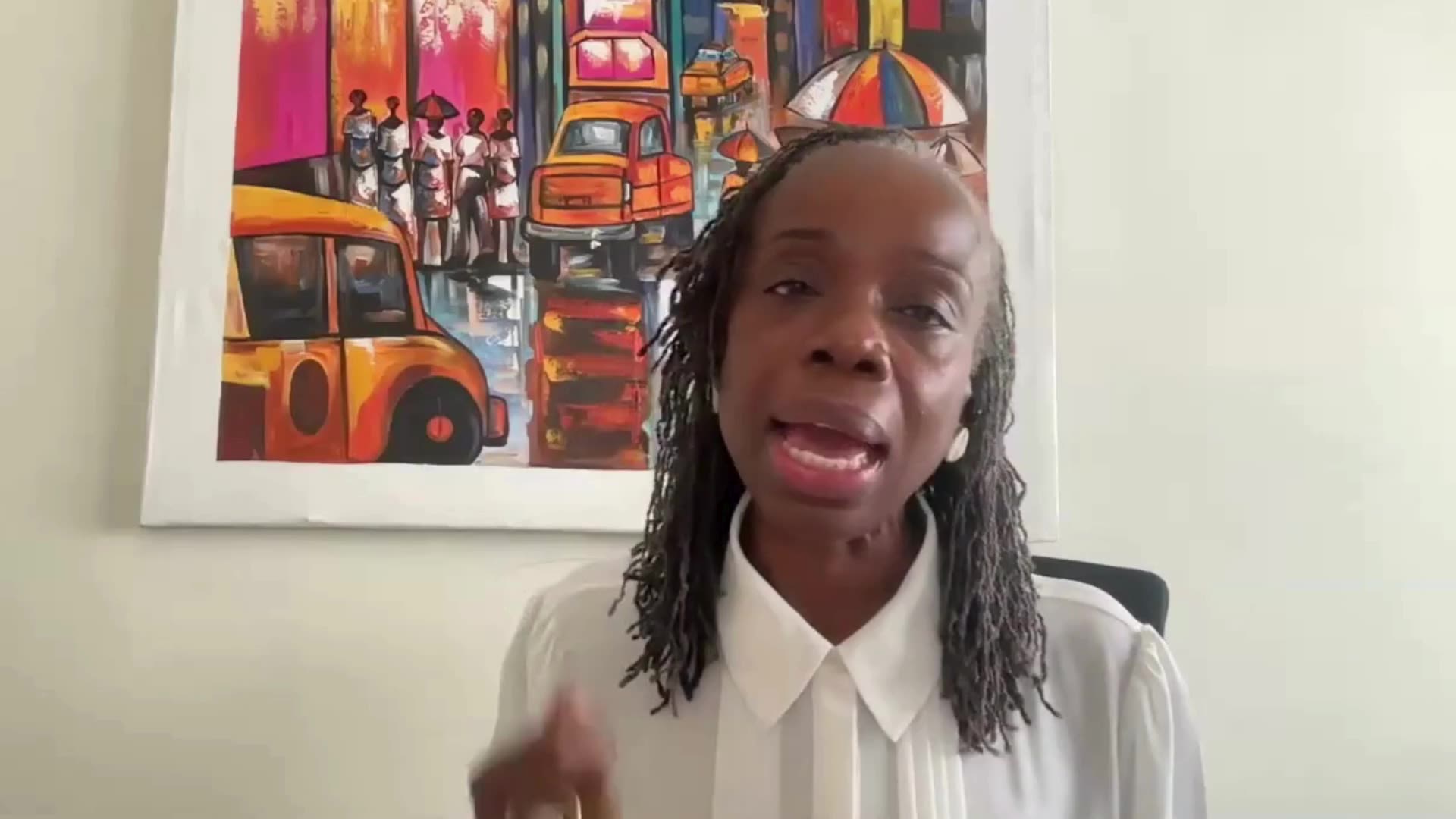
In Dialogue 4, ACET President and CEO Mavis Owusu-Gyamfi argued that the "current shortcomings in the global economic model are systematically shortchanging global majority countries." Her warning that "every dollar lost in this dysfunctional system is a child at risk" translated theory into human consequence.
That is the bridge the next Secretary-General must build: from abstract finance debates to the lives shaped by them.
The Secretary-General Can Raise the Political Cost of Inaction
What can the Secretary-General actually do?
As outlined in Decoded 1, the Secretary-General cannot rewrite debt contracts or order development banks to reform. What it can do is change how the political importance of the issue is perceived. It can frame debt distress and unfair borrowing costs as risks to peace, stability, climate resilience, and intergenerational justice. It can convene governments, development banks, credit rating agencies, private investors, regional institutions, philanthropies, and civil society around practical proposals. It can use reports, speeches, and summits to make clear the cost of inaction.
In Dialogue 1, Ndidi offered a useful direction: make development investable. That means building mechanisms that reduce risk for investment without shifting all of that risk onto the public, creating guarantees and pooled funds, and finding better ways to channel the savings, remittances, and business networks of diaspora communities into long-term national development. And it requires stronger transparency and accountability, so that new financing expands opportunity rather than reproducing old dependency.
Participation Needs a Budget
The next Secretary-General should also make youth and grassroots participation part of financing reform, not a separate inclusion agenda.
In Dialogue 1, Tiago Nogueira's proposal for a dedicated youth participation fund is a model of how budgets signal intent. "Youth engagement is not a favor or a photo opportunity," he said. "It is a right." The same logic applies to countries: if the system says it wants meaningful participation from young countries and Global South actors, it must fund the conditions that make participation possible.
Priorities already emerging from the survey support this approach. Young people prioritize faster and more flexible crisis response, long-term thinking, stable funding, and clearer honesty about limits and blockers. They are not asking the UN to spend without discipline, but rather to align resources with purpose and to be transparent about who is preventing delivery.
The next Secretary-General should make one thing clear from early in their tenure: money is not only about closing gaps, it’s about redressing the balance in who gets a say in the future.
The Job Description, drafted by young people, makes this a test of the role by asking whether the next Secretary-General will push debt, borrowing costs, and fiscal space high enough up the agenda to help countries respond to a new economic crisis. Debt reform, fair financing, aid quality, tax cooperation, and governance of independent fiscal institutions are not separate from peace and security – they determine whether cooperation is still credible.
The question is not simply who pays for the UN. It is who pays for the future, and who has been paying too much for too long.
Disclaimer: The artworks displayed on this page were generated by artificial intelligence (AI) technology. They are not attributed to any real artist.
 Built with Shorthand