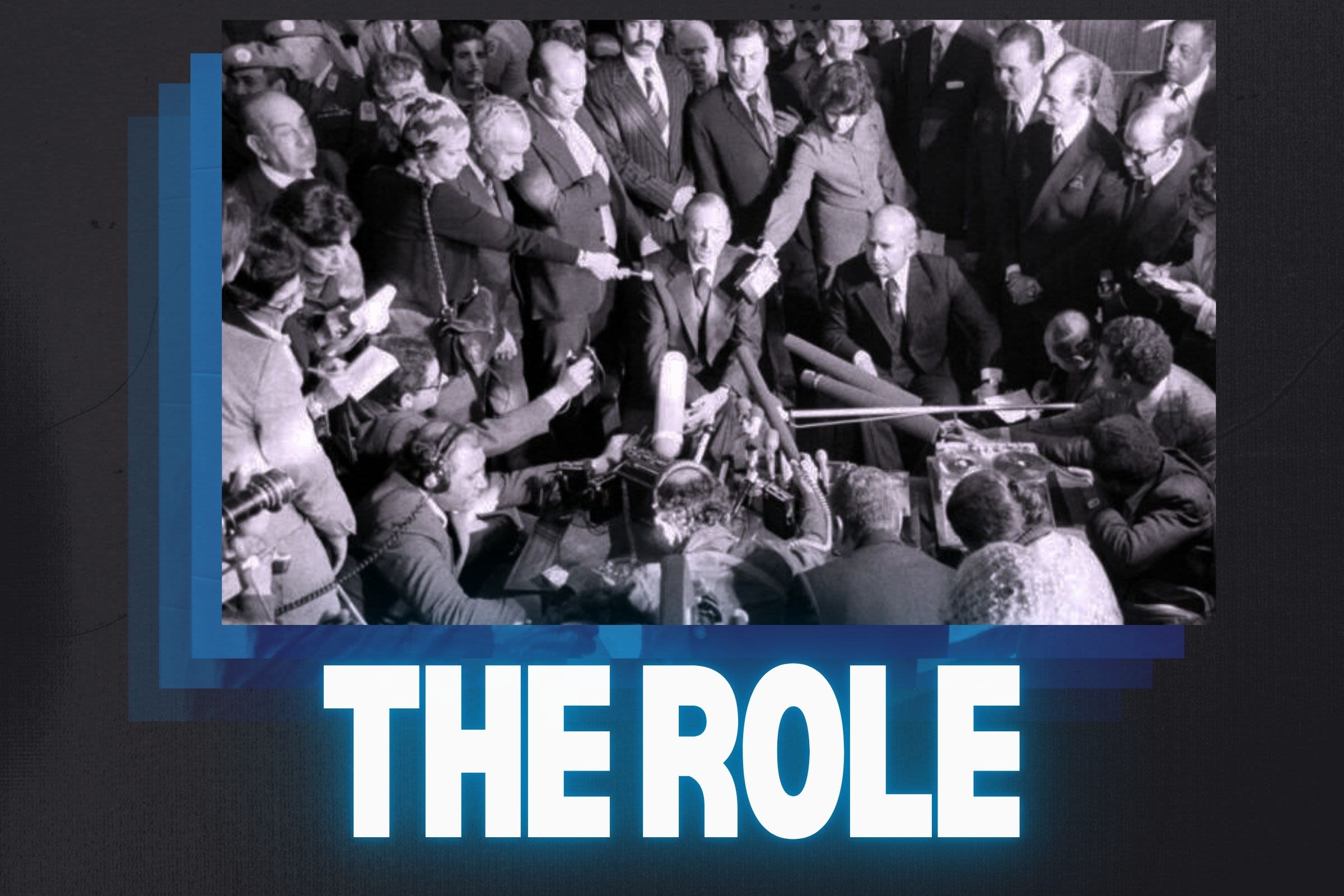
THE ROLE
How the United Nations Secretary-General Came to Be

Listen to the story here:





A job born of urgency
How the UN Secretary General came to be
The United Nations Secretary-General is one of the most misunderstood leadership roles in the world.
From the outside, people often imagine a global “president” with authority to command armies or impose laws.
In reality, the job is very different: a hybrid of chief administrator, diplomat, and global convenor, operating within a system built on cooperation rather than force.
Understanding what this role truly is — and what it isn’t — is essential to grasp the stakes of choosing the next Secretary-General in 2026.
A Job Born of Urgency: How the Secretary-General Came to Be
The Secretary-General emerged from a specific historical moment
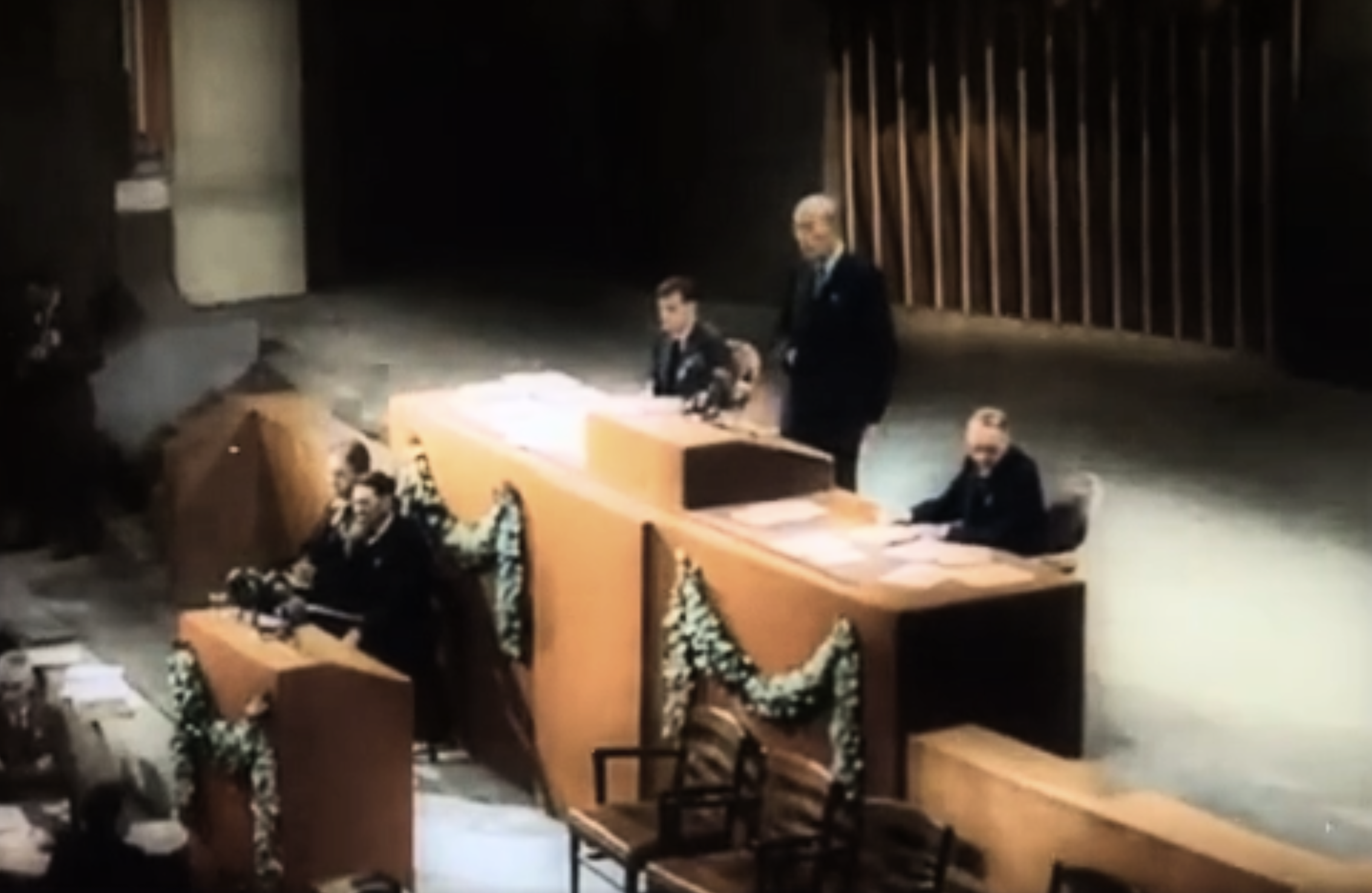
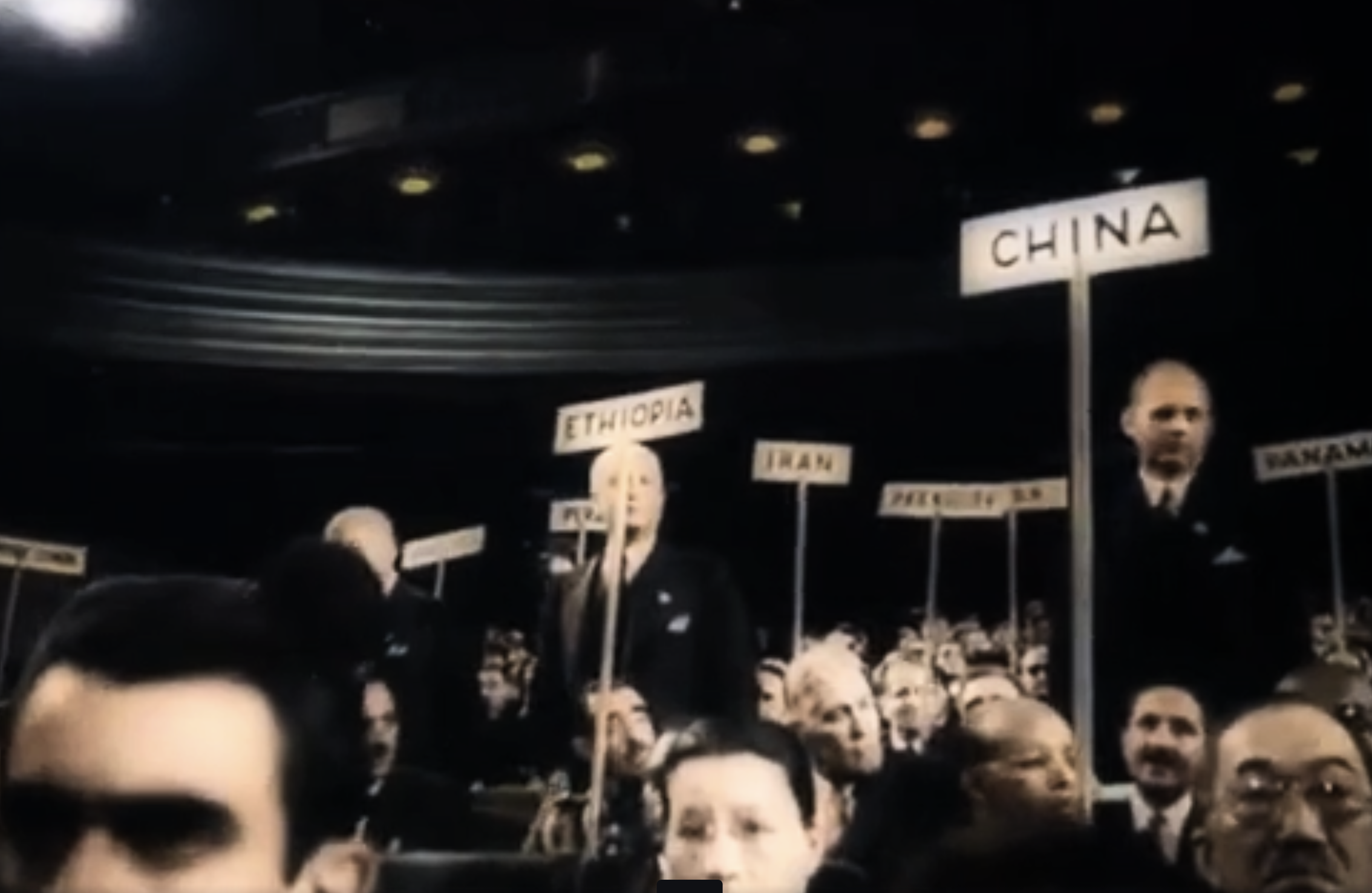
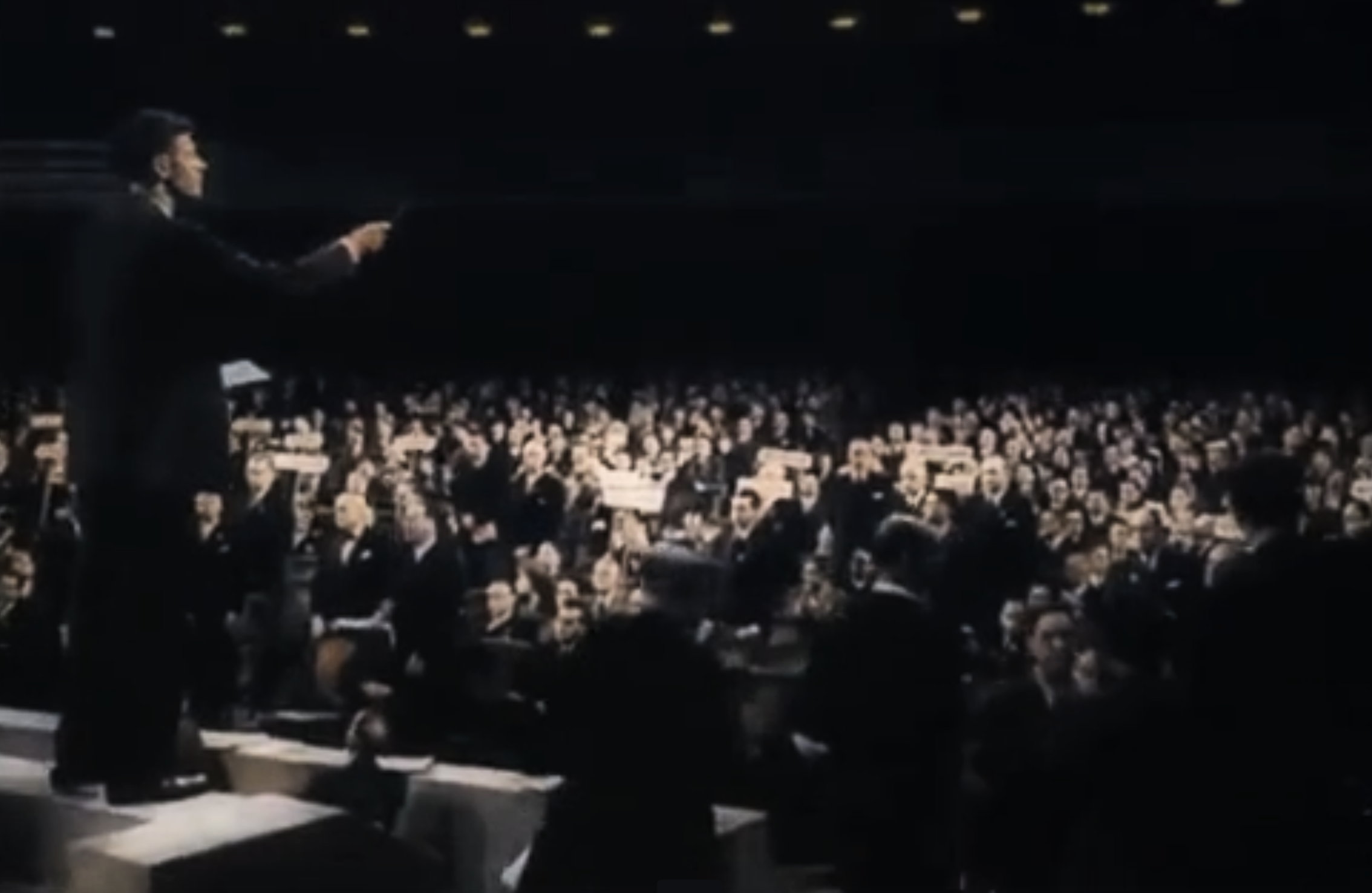
When the UN was founded after World War II, the world was in ruins. Its architects were committed to designing a global institution capable of preventing a return to catastrophe.

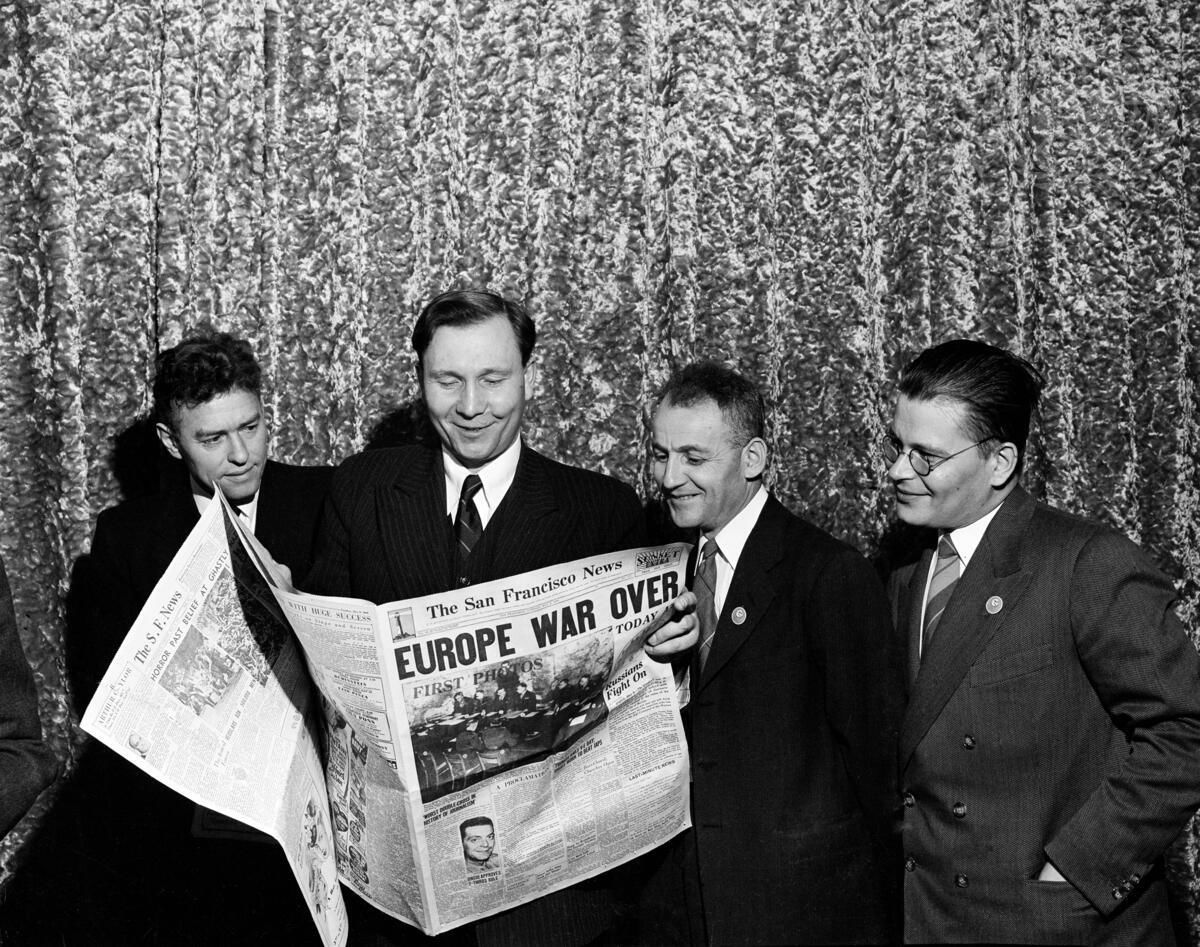
Members of the Russian delegation reading the news of the end of the war. UN Photo/Rosenberg
Members of the Russian delegation reading the news of the end of the war. UN Photo/Rosenberg
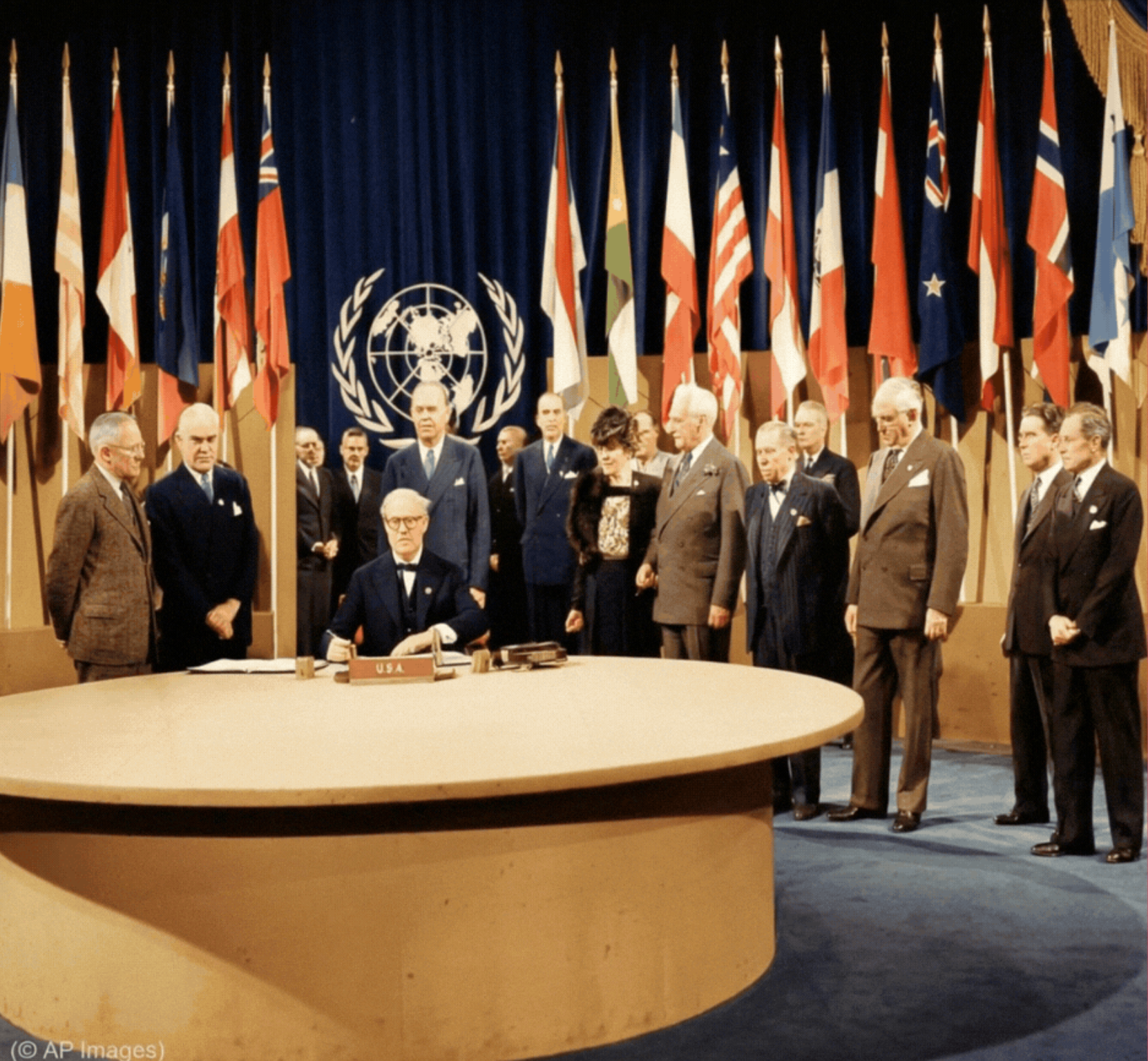
The UN Charter lays out how the United Nations works. It set out six principal organs, the UN’s main bodies, including the Secretariat, to keep the organization functioning.
At the head of the Secretariat sits the Secretary-General, designated as the “chief administrative officer” of the UN.
This framing was deliberate; the role was never intended to be a world ruler or commander-in-chief. Instead, it was designed to coordinate, convene, and communicate: a leadership model grounded in influence over authority.
Previous Secretaries-General have always interpreted these guidelines differently, with the first officeholders helping to stabilize the new institution.
Later, as the post-war world reshaped itself, Secretaries-General adapted the role to make space for diplomacy and agenda-setting.
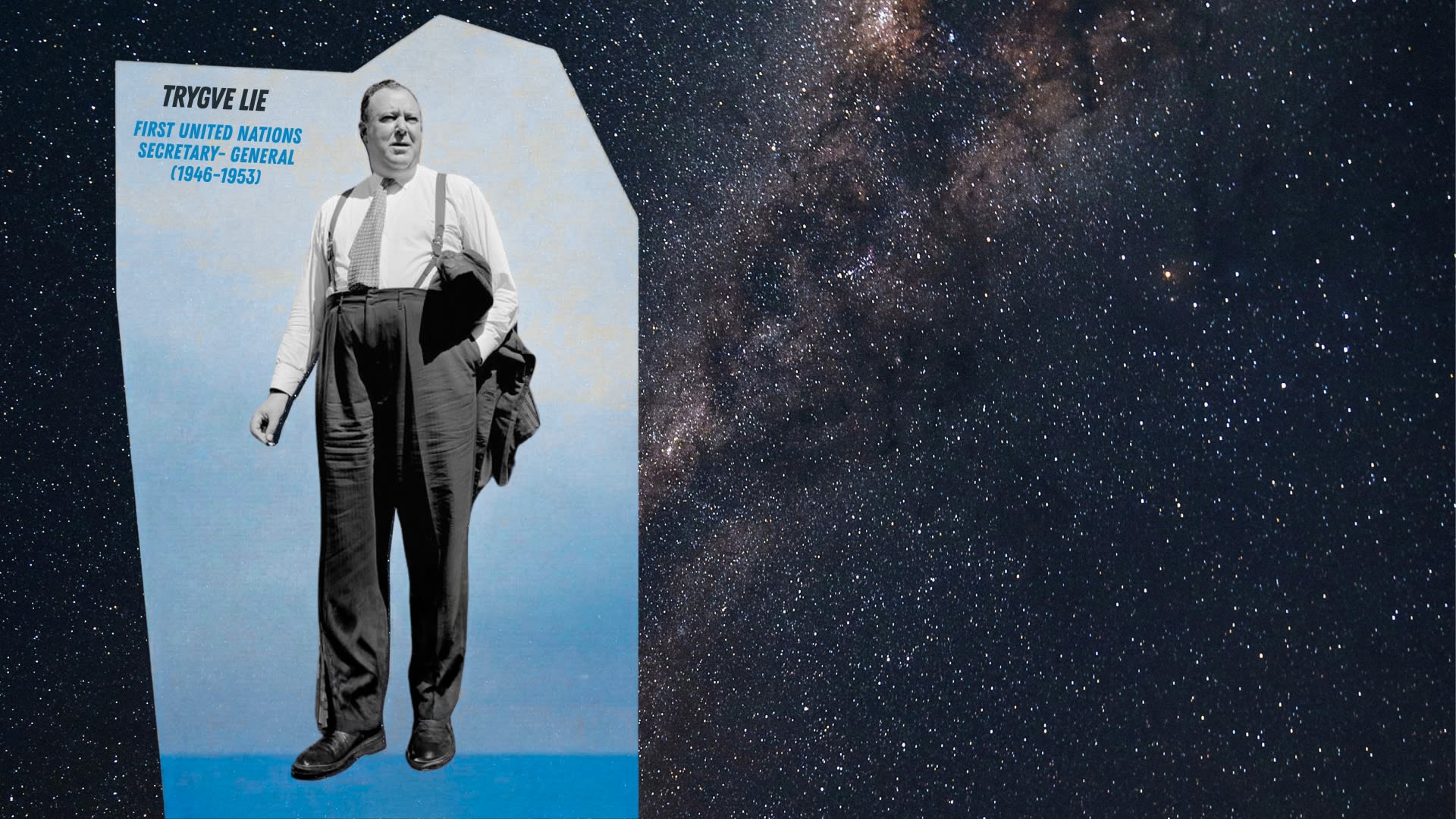
Trygve Lie: The First Secretary-General
Trygve Lie of Norway was the Secretary-General of the United Nations (1946–1952). Lie’s tenure coincided with the rapid onset of the Cold War, which immediately tested the limits of the role.
He supported the creation of early peacekeeping mechanisms and played an active part during the Korean War, helping to interpret the Secretary-General’s authority in a polarized Security Council environment.




What the Charter Says
Under the UN Charter, the Secretary-General:
- Runs the UN system, overseeing thousands of staff and coordinating the work of agencies operating across nearly every country in the world.
- Implements what governments decide into action on the ground, from deploying peacekeepers and coordinating humanitarian relief, and reporting back on progress.
- Can raise urgent threats directly with the Security Council to put issues formally on the Council’s agenda when international peace and security are at risk.
These provisions establish the Secretary-General’s legal authority, but they do not grant executive power.
National Archives
National Archives


Core Functions
Over time, the Secretary-General’s role has evolved to combine three functions shaped both by the Charter and by how the role has been used:
1. The Chief Administrator
The Secretary-General leads the UN Secretariat, which carries out the day-to-day operations of the organization across peacekeeping, development, human rights, humanitarian action, and more.
The Secretariat comprises international civil servants working around the globe to support UN bodies and implement programs. This administrative role includes responsibilities such as overseeing staff, setting internal priorities, and managing resources.
In a world of competing interests and limited budgets, these tasks require strategic judgment and management skills rather than command authority.




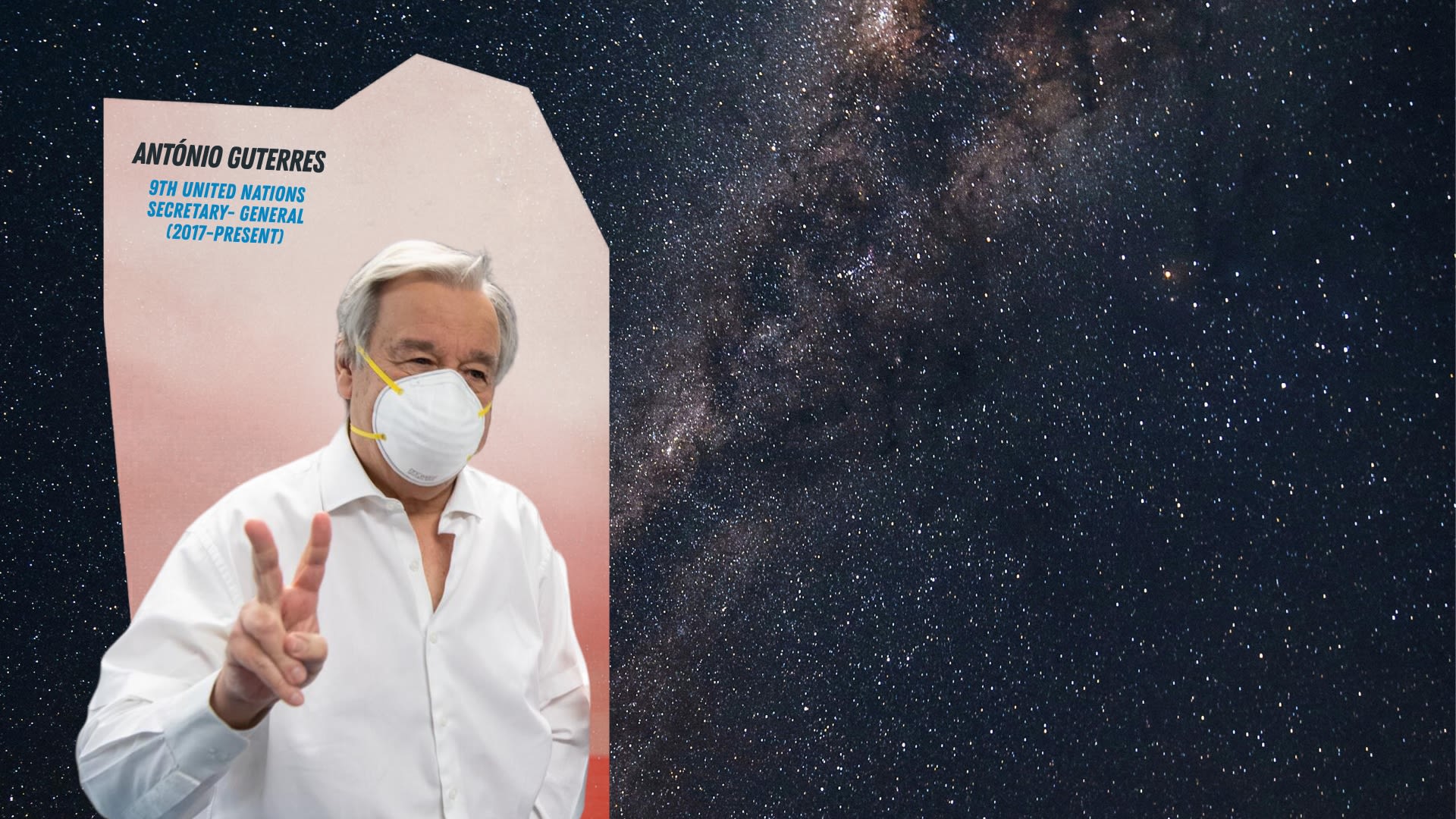
António Guterres and UN System Reform
As Secretary-General, António Guterres has confronted major global crises — from the COVID-19 pandemic to escalating climate risks — while also advancing reforms to strengthen how the UN system works.
Alongside his public leadership during these crises, he pushed changes to improve how the UN functions so the organization can respond more effectively to complex global challenges.
His tenure highlights an often overlooked dimension of the role: strengthening the system itself is often essential to how the UN delivers in moments of crisis.
2. The Diplomat
The Secretary-General is often described as the world’s top diplomat, with power to build consensus among 193 countries. To achieve this, they must mediate disputes, convene leaders, and use what the UN calls their “good offices”, informal behind-the-scenes channels of persuasion and negotiation to prevent conflicts from escalating.
This work can involve:
- Quiet shuttle diplomacy, where the Secretary-General moves between opposing sides who refuse to meet.
- Appointing Special Envoys, trusted individuals to act on their behalf to carry messages between sides, test compromises, and keep talks alive.
- Facilitating dialogues when official negotiations are stuck or politically impossible.
An Secretary-General exerts influence by showing how cooperation is more effective than conflict, even when it feels politically costly.

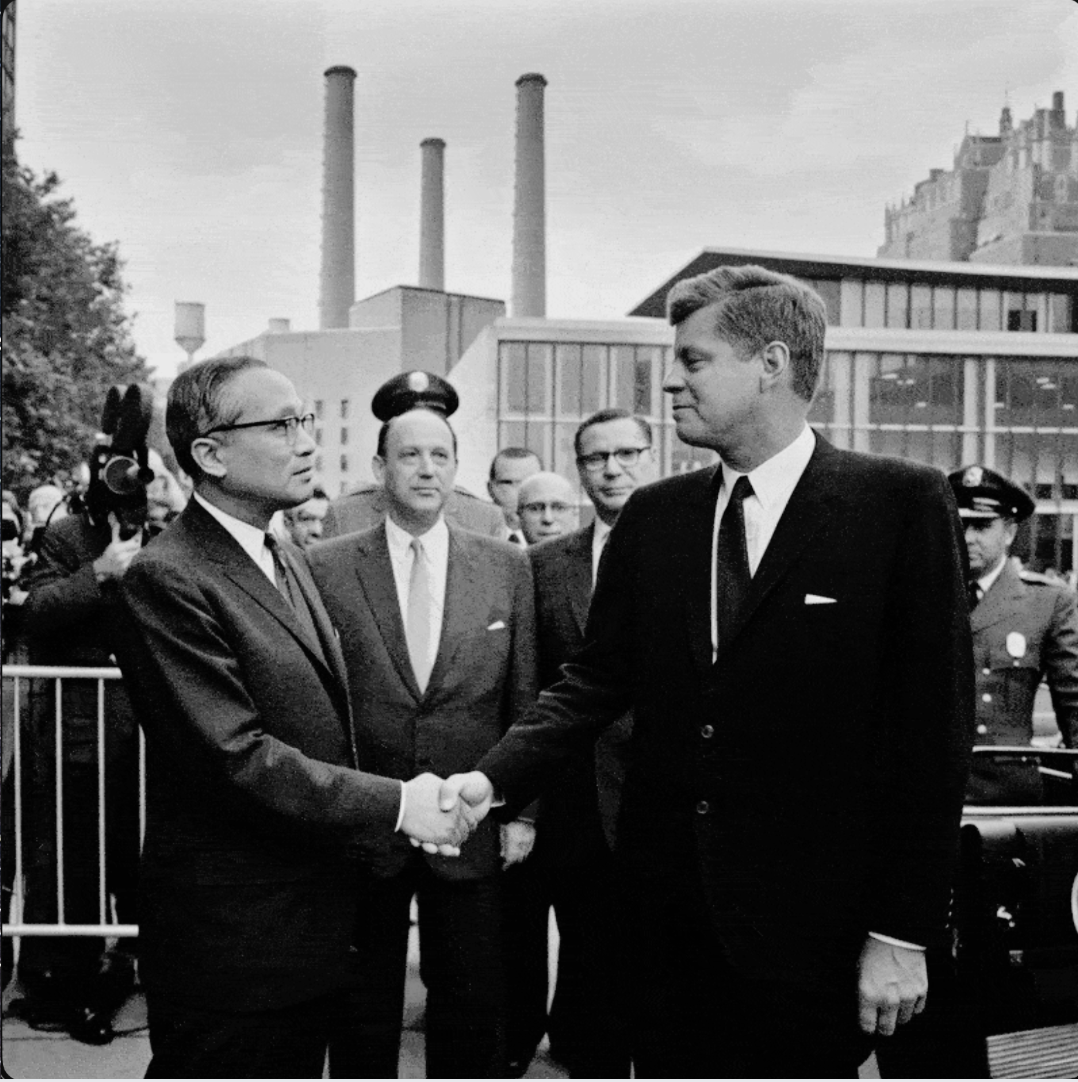

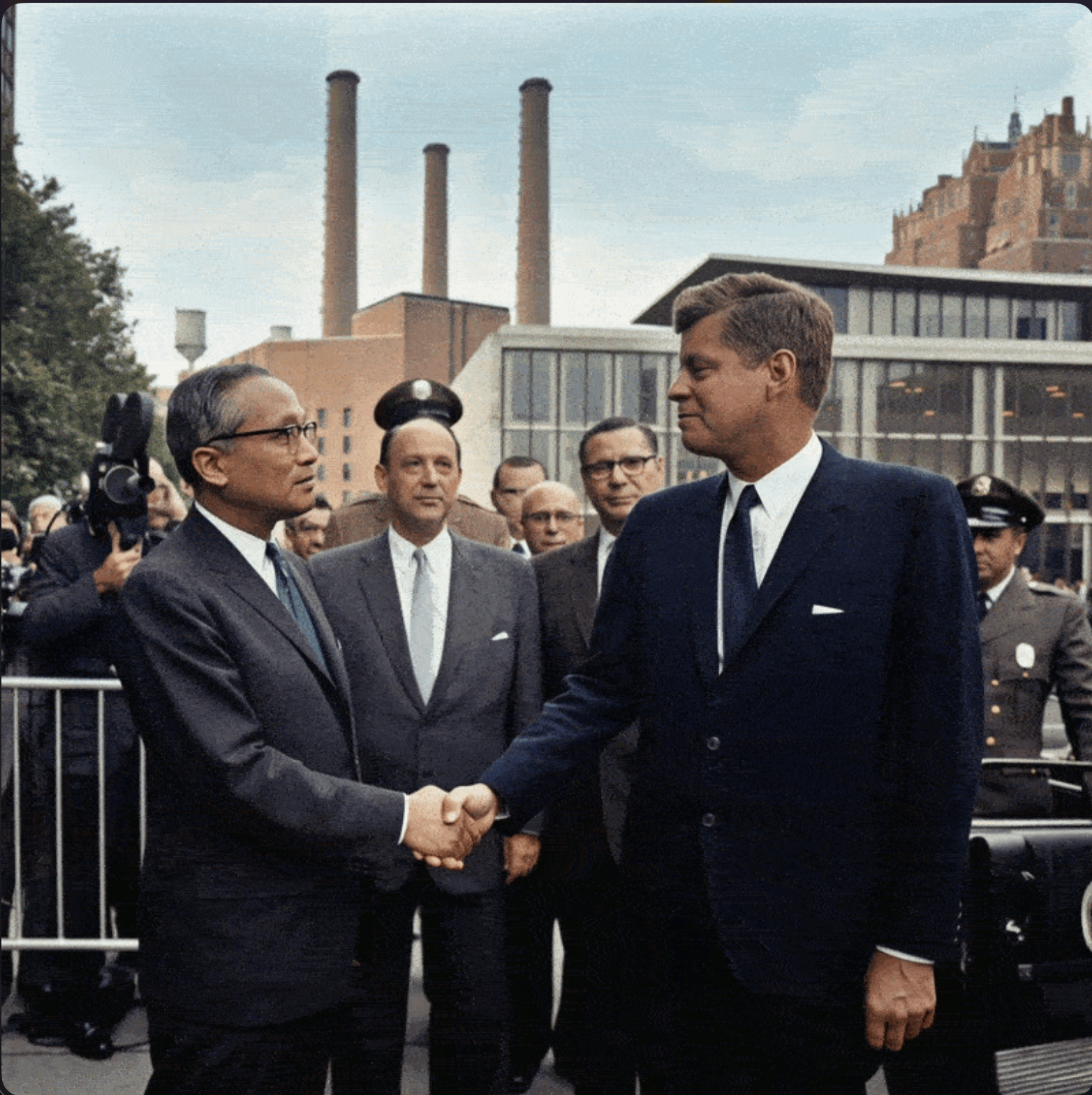
U Thant and the Cuban Missile Crisis.
During the Cuban Missile Crisis in 1962, Secretary-General U Thant played a quiet but crucial diplomatic role. He acted as an intermediary between the United States and the Soviet Union, building confidence in ways that helped de-escalate tensions.
U Thant’s actions relied on discretion, trust, and timing rather than public pressure.
His diplomacy created space for dialogue at a moment of extreme global danger. This episode is a defining example of the Secretary-General as a diplomat acting for the highest stakes without formal authority.
3. The Convener
One of the Secretary-General's most powerful tools is the ability to bring the right actors together to tackle challenges that no single country can address alone.
As the public face of the UN, the Secretary-General must represent collective international will. They embody the ideals of the UN Charter, including peace, dignity, human rights, and work to keep those values visible amid global turmoil.
As the UN’s public face, the Secretary-General mobilizes attention and resources in ways that influence global agendas, norms, and expectations around cooperation.

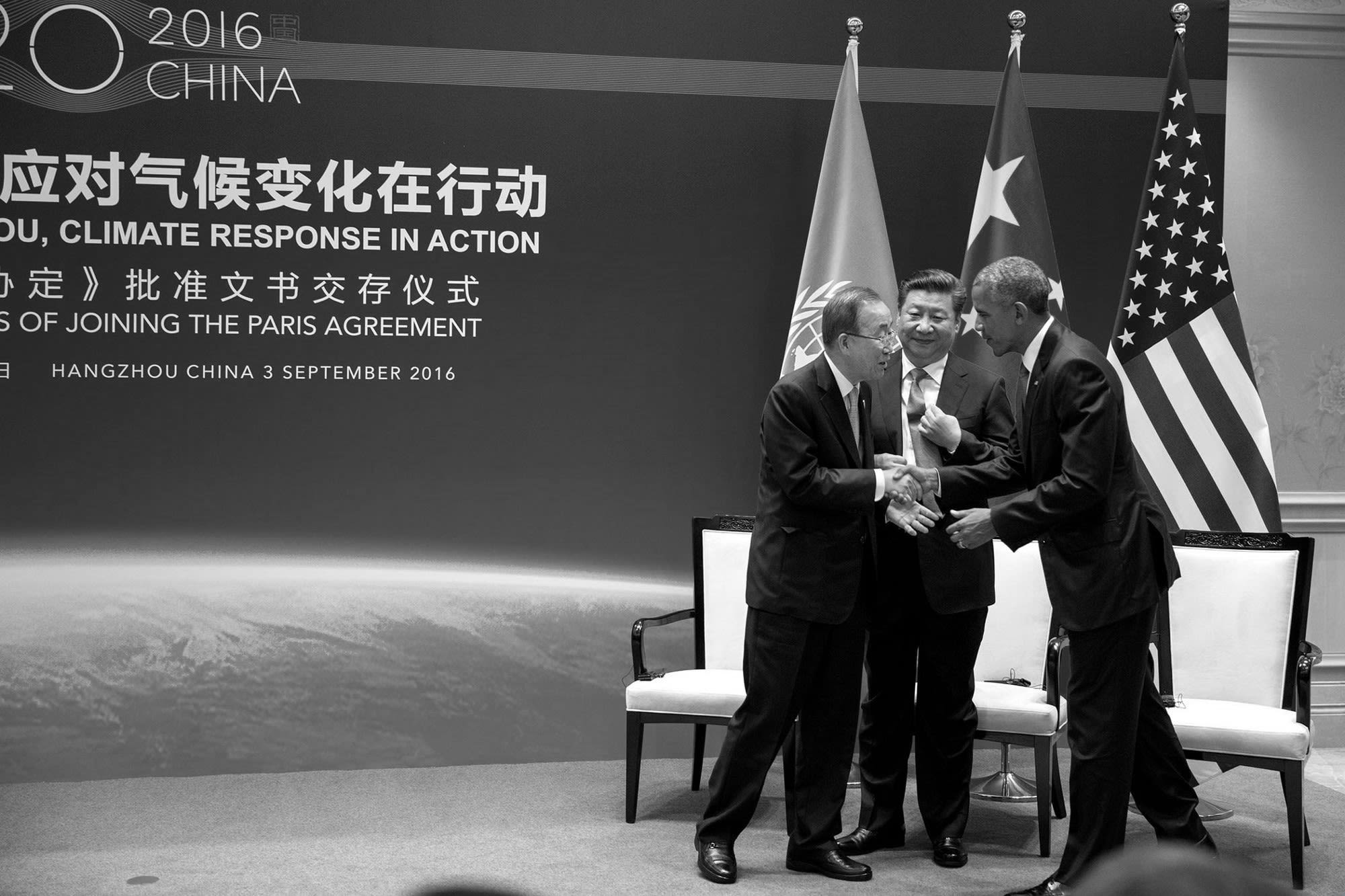

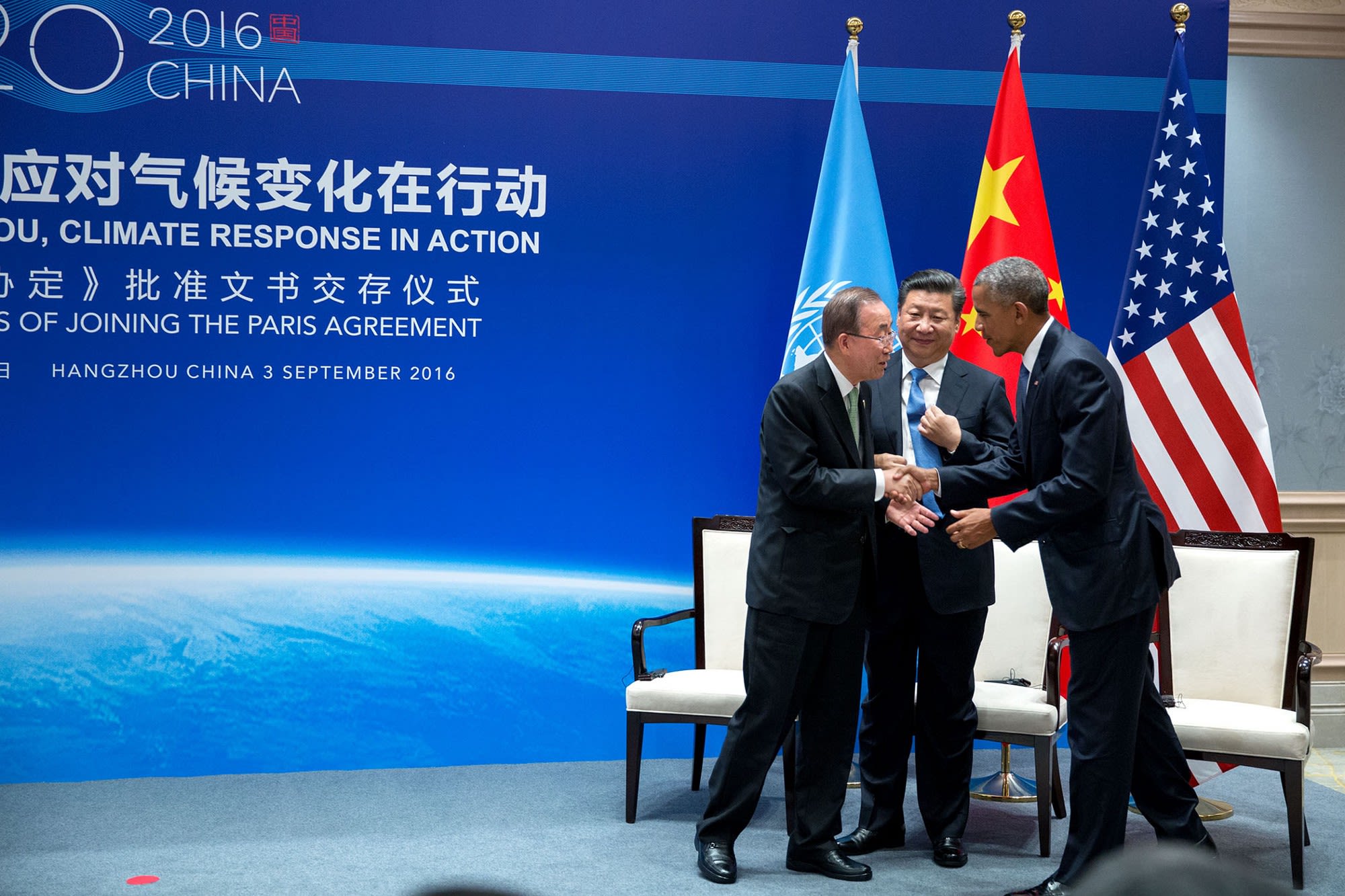
Ban Ki-moon and the Global Climate Agenda
Secretary-General Ban Ki-moon used the convening power of the UN to elevate climate change as a central global priority. He brought heads of state, businesses, and civil society together through high-level climate summits and sustained diplomatic engagement.
These efforts helped build momentum toward the Paris Agreement, a global treaty to tackle climate change, demonstrating how convening can translate global attention into coordinated action.
The Job in Todayʼs World
In a world of overlapping crises, the Secretary-General’s leadership matters more, not less. While no single global leader can unilaterally solve these problems, the ability to coordinate across borders, disciplines, and institutions is increasingly vital.
The Secretary-General’s role is not to command compliance, but to cultivate cooperation. And that requires something rare in global leadership: sound judgment under constraint.

Up next
2. The Selection: How the Next Secretary-General Is Chosen

1. The Role
What the UN Secretary-General actually does and why the role is often misunderstood.
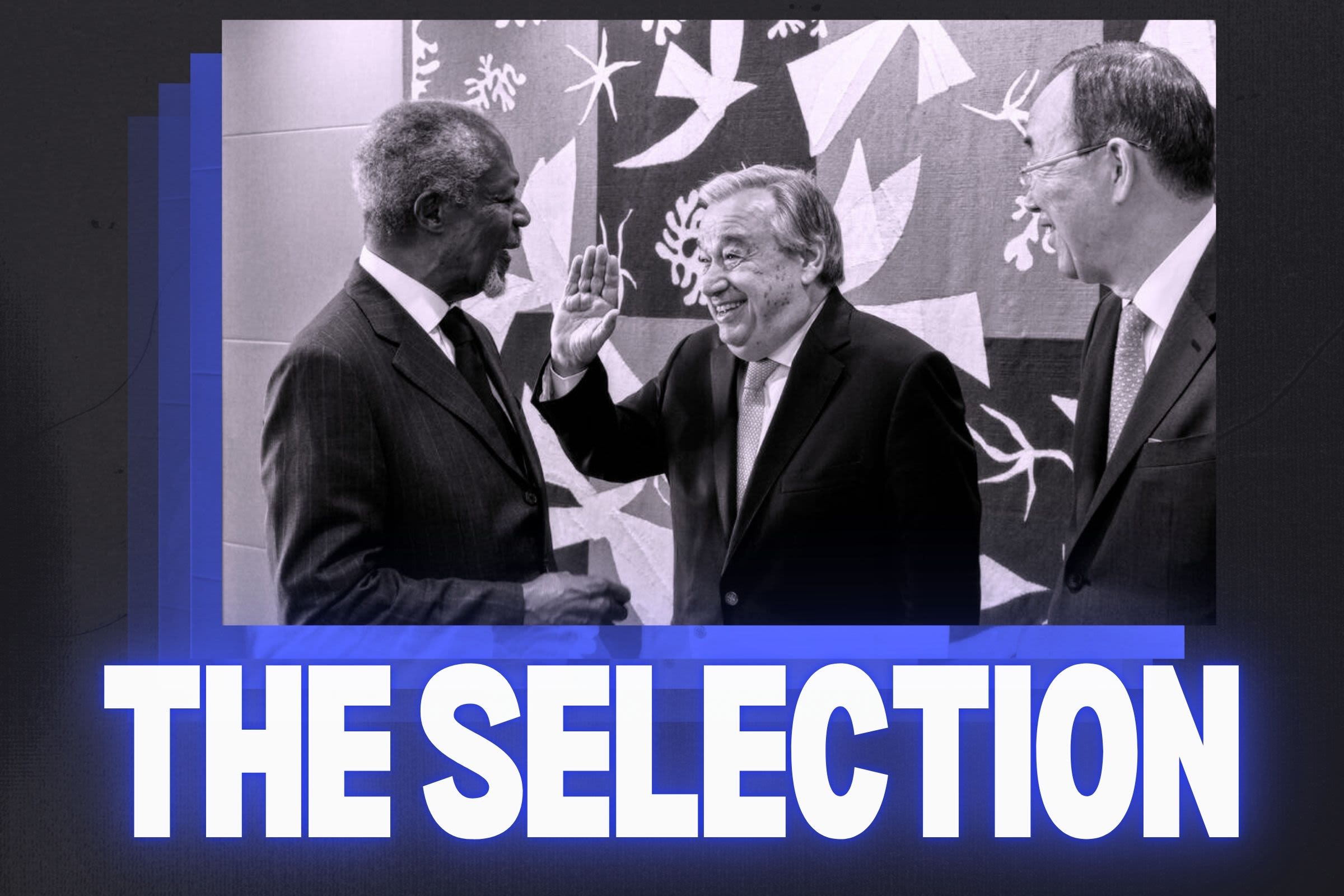
2. The Selection
How the UN Secretary-General is chosen, and why the selection process might feel so opaque.
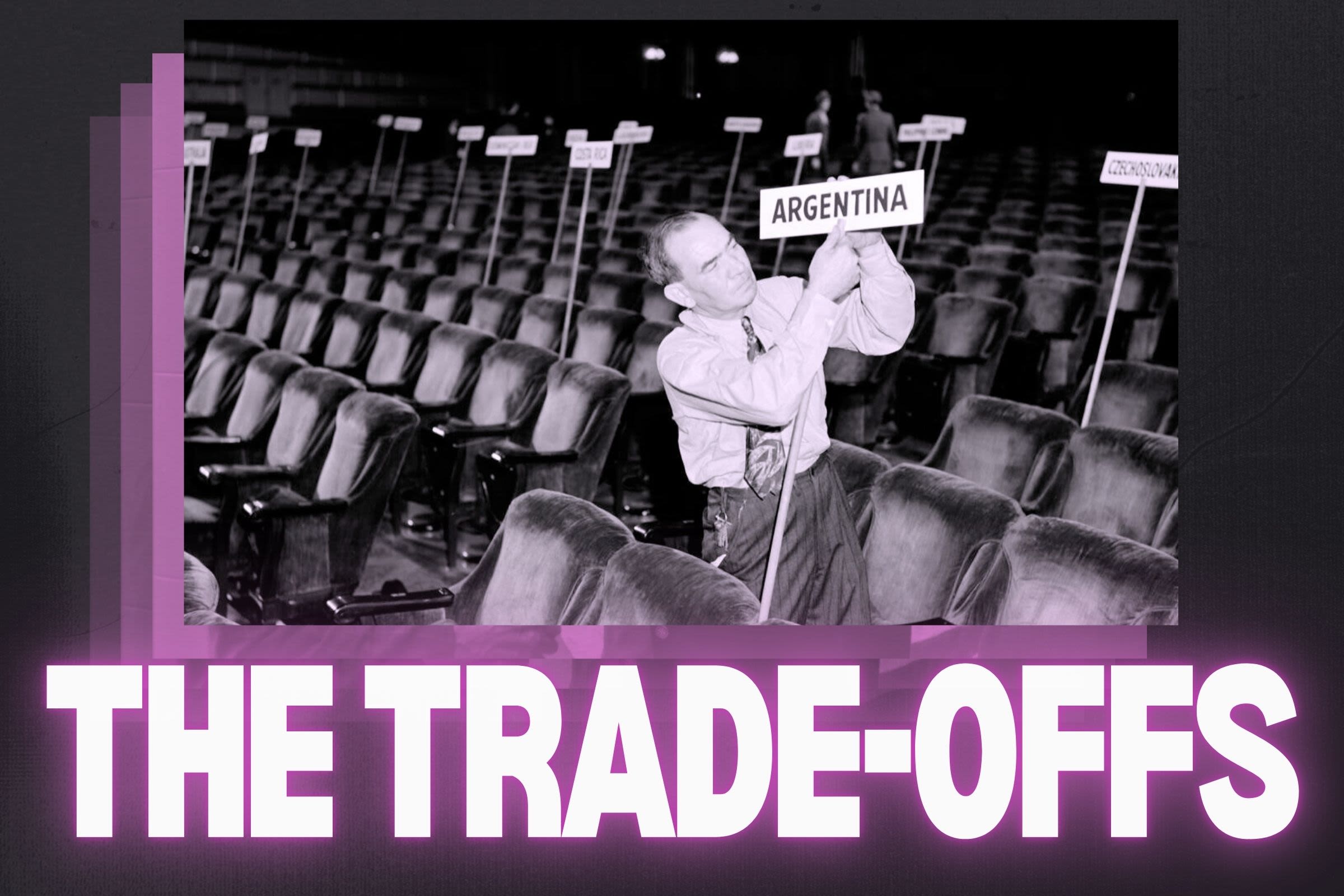
3. The Trade-Offs
How leadership operates inside the UN and why it doesn’t work like your government.
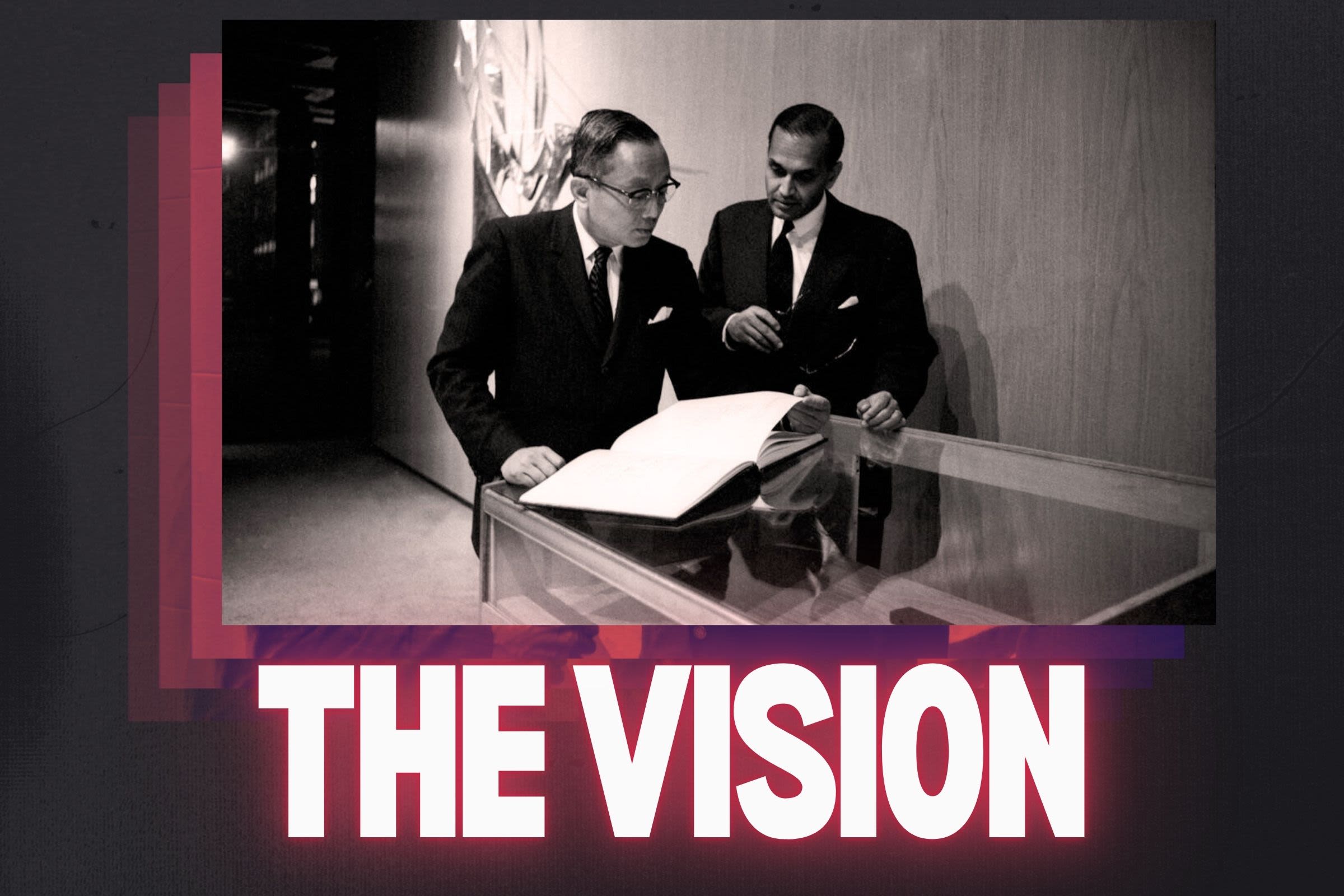
4. The Vision
Moments when the UN Secretary-General shaped the world and what the next tipping point could be.
Like What You've Read So Far?
Take the global survey to share what the job of Secretary-General should focus on — and join the World's Toughest Job Dialogues to explore how global leadership works in practice.
Prefer a quick overview? Download the printable guide “How the United Nations Chooses Its Leader,” which distills all four Decoded series in a quick summary.
Note: Some images in this series have been created, enhanced, colorized, or animated using AI tools to support visual storytelling.


 Built with Shorthand