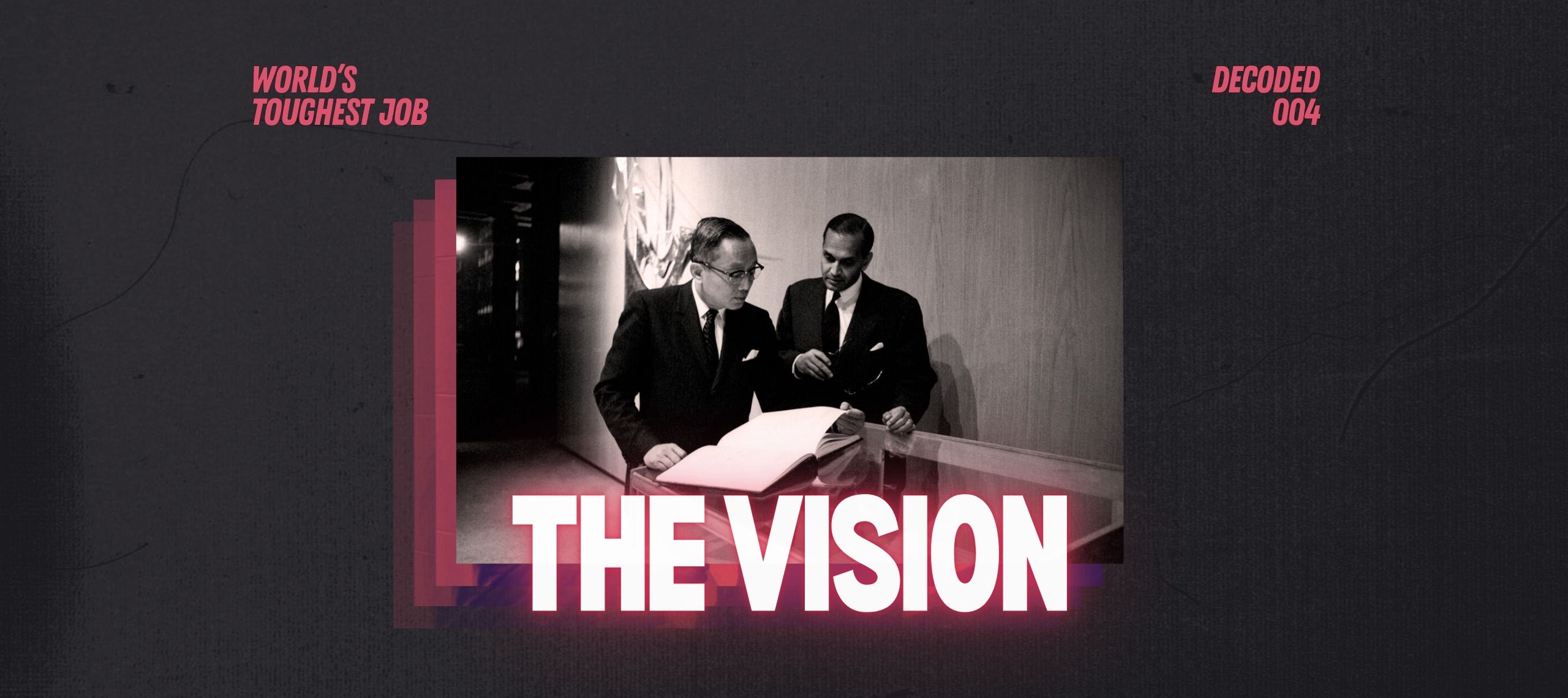
THE VISION
When Leadership Changed the World

Listen to the story here.






The Secretary-General’s job is easiest to misunderstand when nothing dramatic is happening.
Most days, the work is meetings, phone calls, careful statements, and long stretches of negotiation that the public never sees.
But the role changes when the world starts to shift: when a crisis escalates, a risk becomes undeniable, or an old approach stops working. These windows are brief, and if leadership hesitates, they can disappear.
Looking back at historic moments when Secretary-General leadership has mattered most can teach us about the kind of vision the next Secretary-General will need.
Vision, in this job, is not personal ambition or a ten-year plan.
It is the ability to recognize when the international system is approaching a tipping point.
To see when pressure is building, when old assumptions are no longer holding, and to act while there is still time to shape what happens next.
What Tipping Points Look Like in Practice
Tipping points tend to emerge from one or more of these patterns:
- A crisis makes doing nothing too risky
- People feel a strong moral urgency, and leaders are ready to act
- There are already plans or negotiations in place that can move forward quickly
- The narrative shifts, making it possible for countries to work together in new ways.
Let’s see what that looks like in practice.
Tipping Points 1 – A Global Crisis
Tipping points often emerge when doing nothing becomes more politically risky than taking action.
These moments are often triggered by acute crises — conflicts, shocks, or breakdowns — where delay risks escalation or lasting damage.
Secretary-General leadership matters most at this stage.
It requires someone willing to act before full agreement has formed, using judgment rather than waiting for every country to sign on.



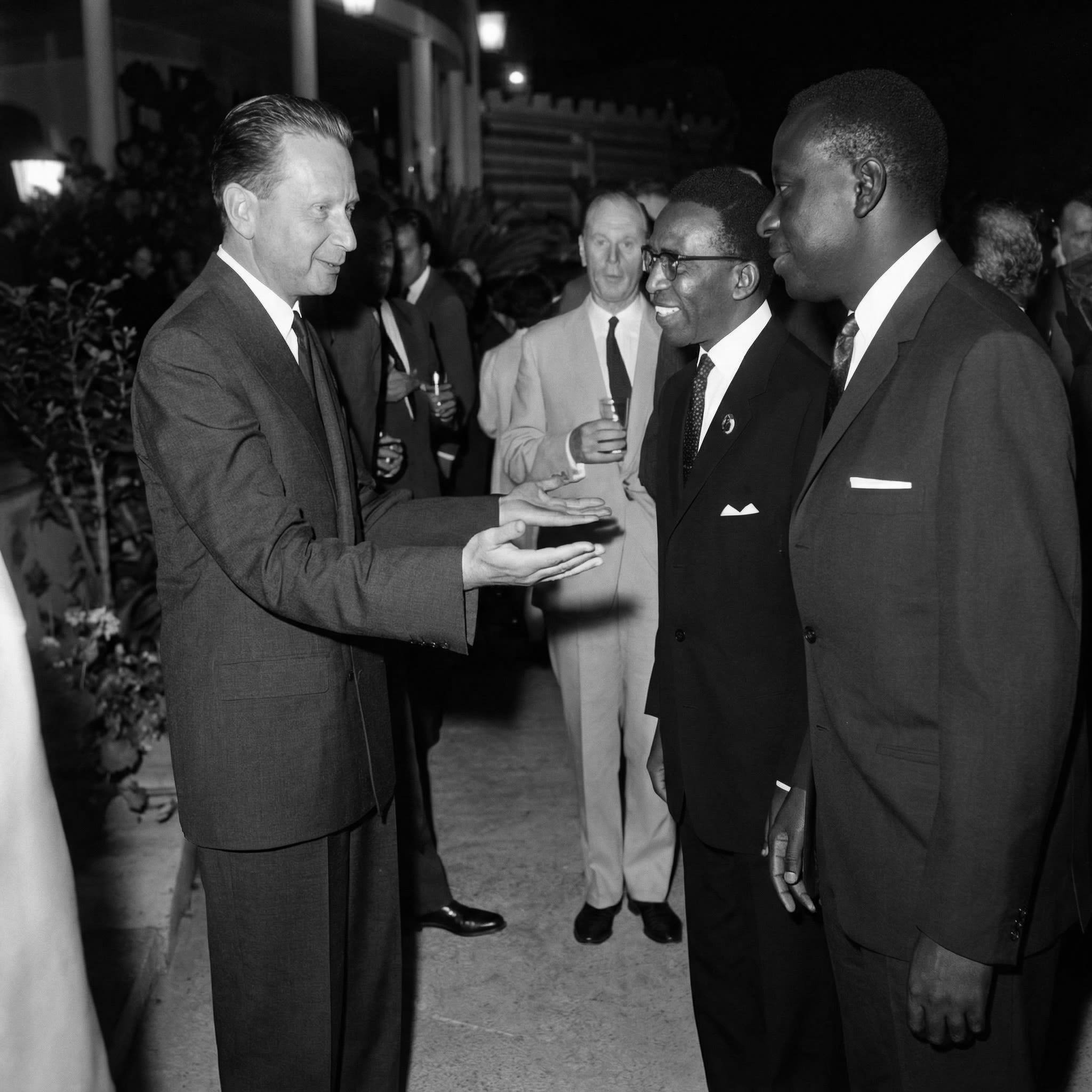

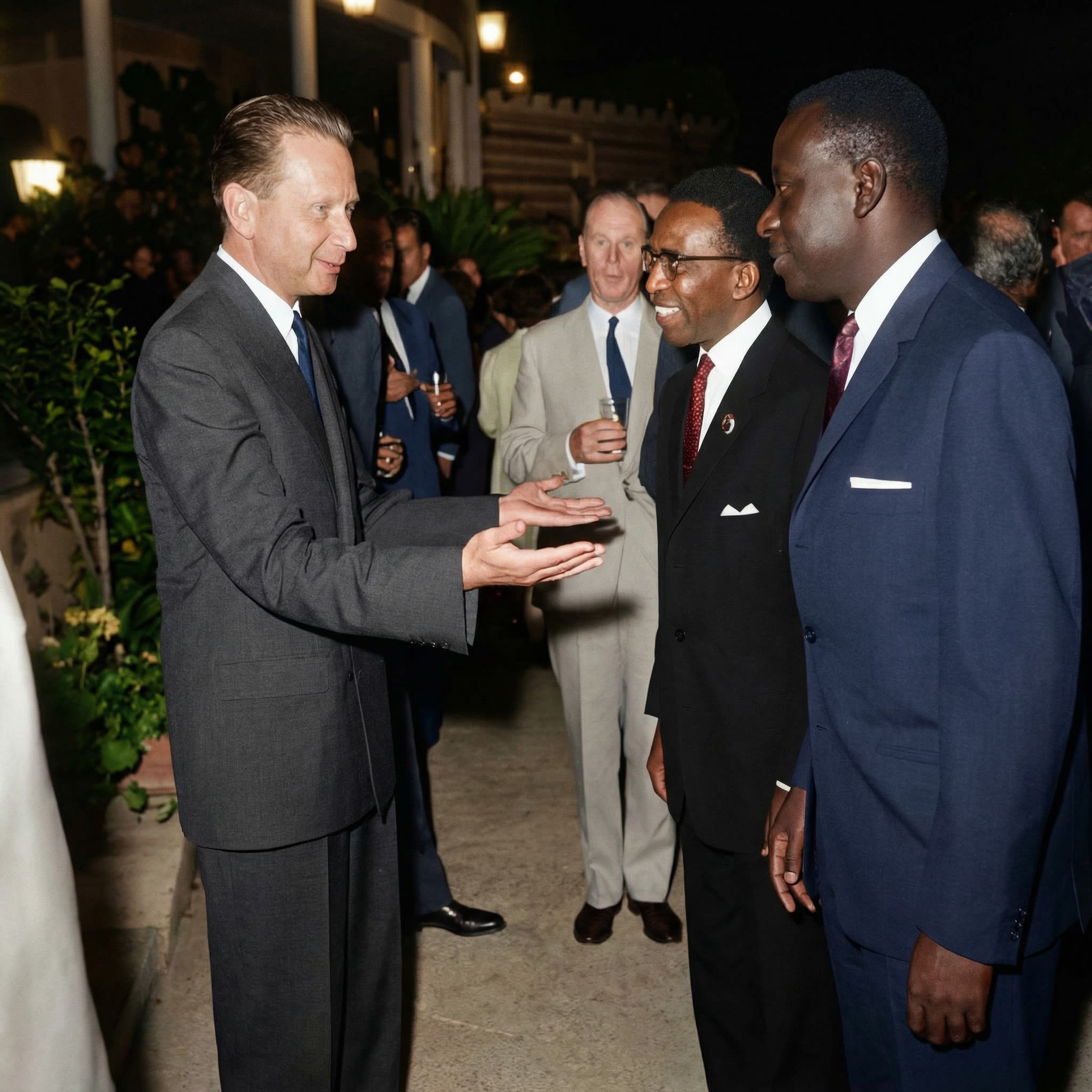
Dag Hammarskjöld and the Congo Crisis
When Congo’s post-independence crisis threatened to draw the United States and the Soviet Union into direct confrontation, Dag Hammarskjöld moved quickly.
Using quiet diplomacy and the Secretary-General’s “good offices,” he helped launch the UN’s first large-scale peacekeeping operation: a tool the organization had never used before. The mission did not resolve the conflict, but it prevented escalation at a dangerous Cold War moment.
Hammarskjöld’s intervention showed how timely action, even without enforcement power, could reshape events and establish peacekeeping as a defining function of the role.
UN Secretary-General Dag Hammarskjold gives a press conference after his China visit. Discusses the benefits of quiet diplomacy.
Tipping Point 2 – Strong Moral Urgency
Some tipping points happen because moral urgency builds over time, until action becomes the only option.
These moments often follow growing public pressure, scientific consensus, or widespread recognition that old rules and assumptions no longer make sense.
Leadership from the Secretary-General matters when that moral urgency turns into a political moment, when what feels right becomes something governments must respond to.

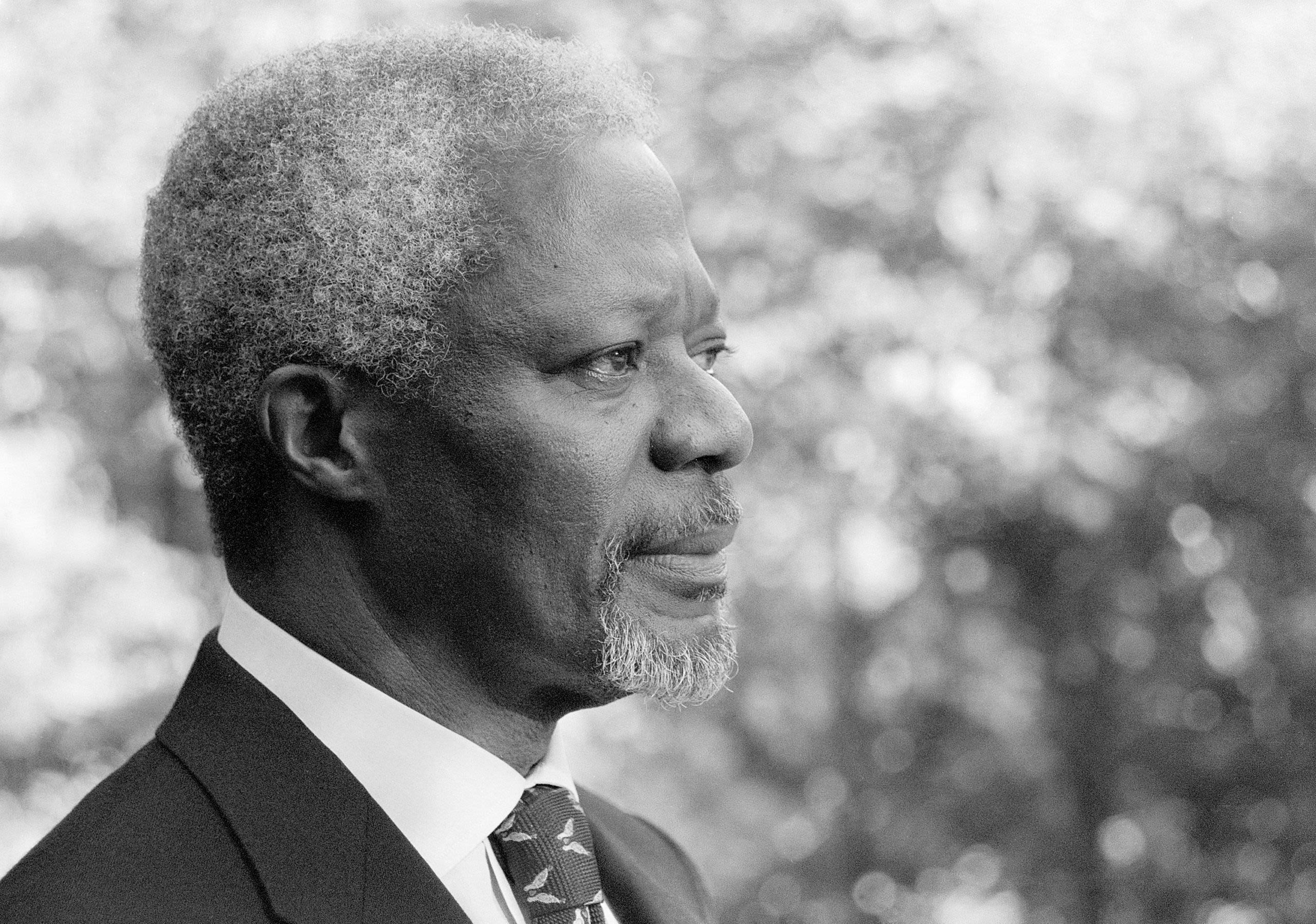

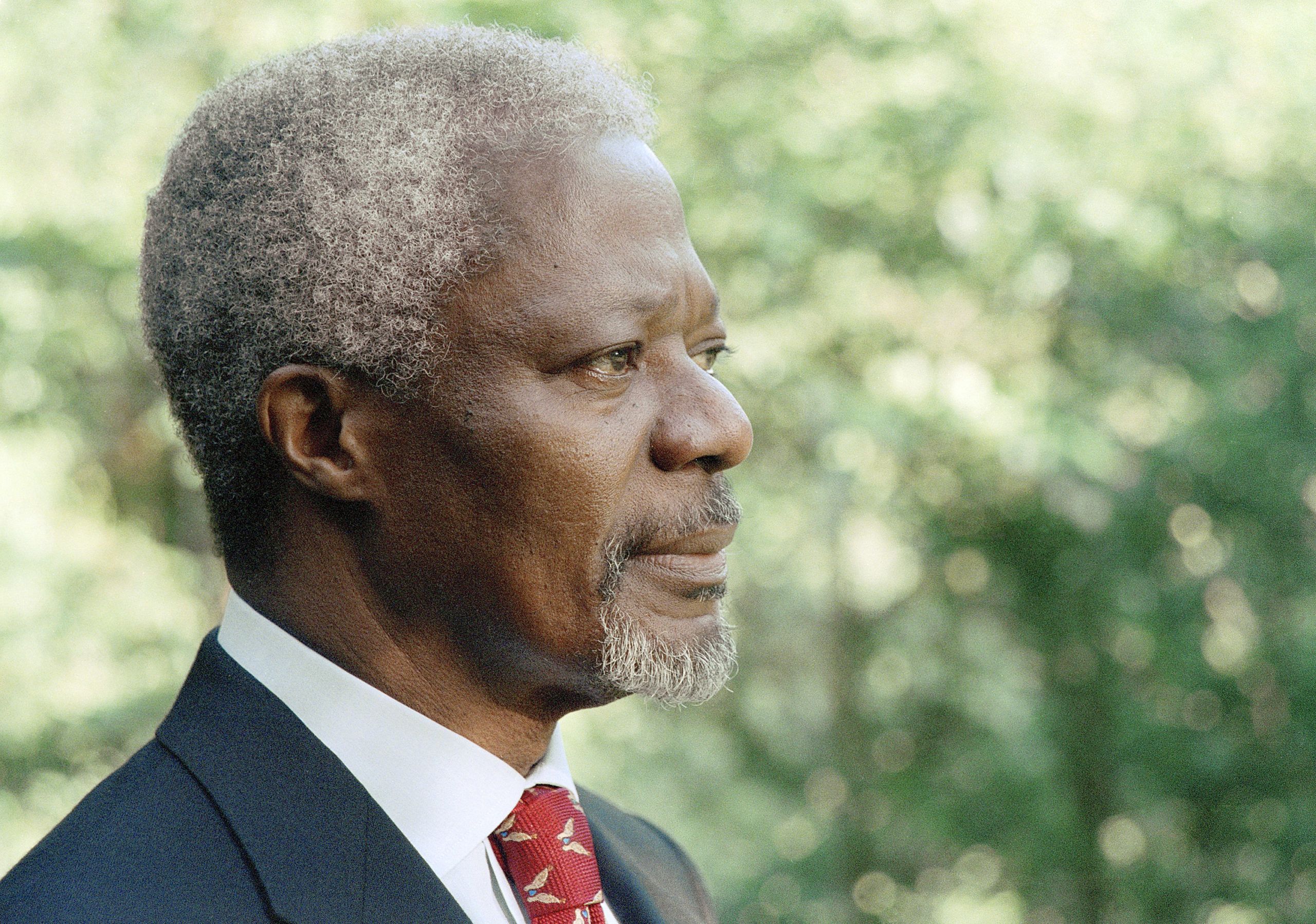
Kofi Annan and the Millennium Development Goals
By the late 1990s, extreme poverty and preventable disease affected hundreds of millions of people, and it was increasingly clear that existing approaches were falling short. Secretary-General Kofi Annan recognized a moment when global concern and political readiness aligned.
Using the Millennium Summit, he unified fractured development agendas from the UN and the World Bank into a single, universal frame — the Millennium Development Goals. These goals were not legally binding, but they gave the world a common way to measure progress and failure.
Annan’s leadership turned moral urgency into coordinated global action and set the foundation for today’s Sustainable Development Goals.
UN Foundation Tribute to Kofi Annan
Tipping Point 3 – Plans in Place
Tipping points are rarely created from scratch.
They work best when leaders use plans and pathways that already exist — negotiations, summits, draft agreements — at the moment when governments are finally ready to move.
Secretary-General leadership matters when timing turns preparation into action.

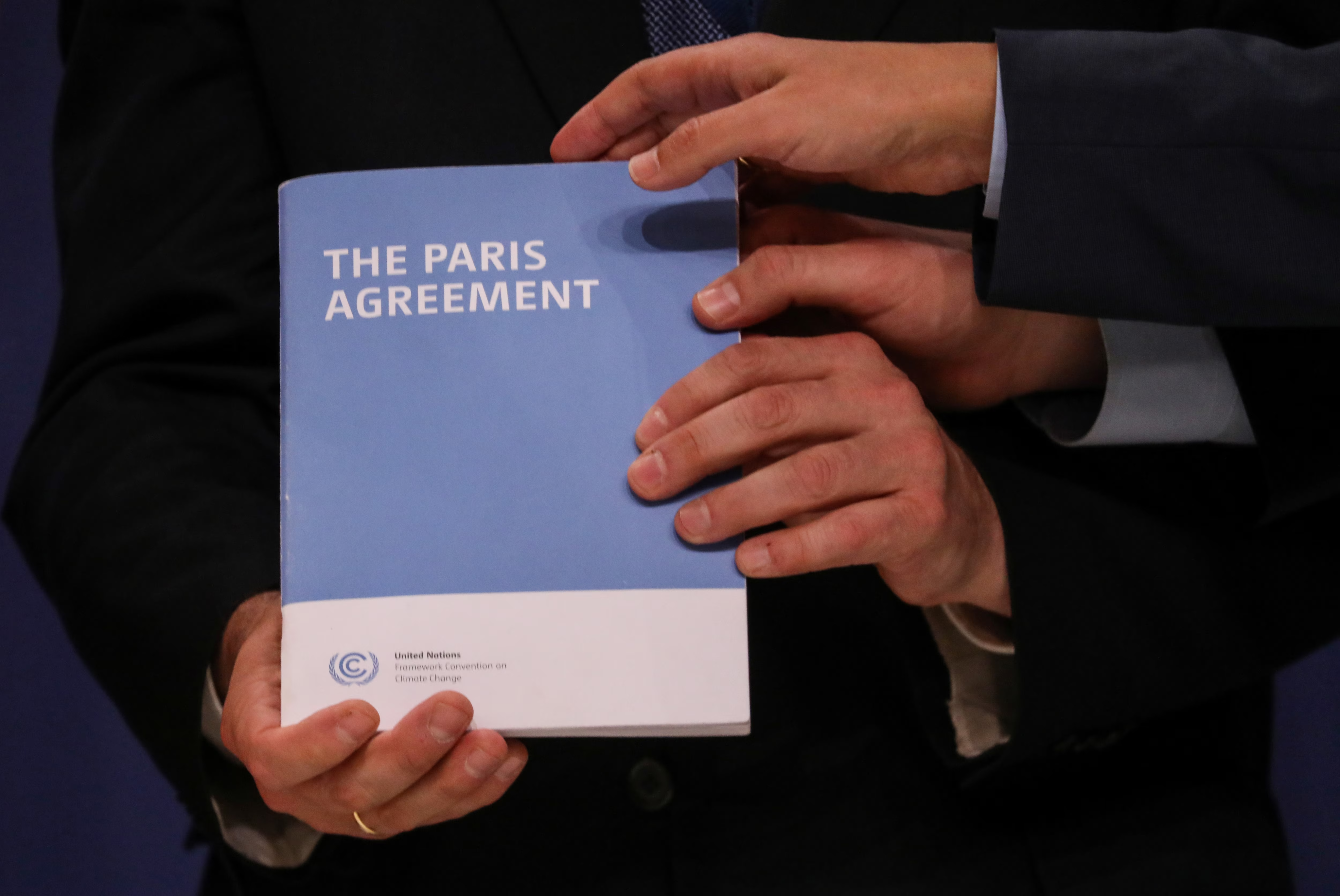
Ban Ki-moon and the Road to the Paris Agreement (2014–2015)
In the years before COP21, climate talks were stalled despite strong scientific evidence and growing public concern.
Secretary-General Ban Ki-moon saw the risk of losing momentum before governments were ready to agree. He used the SG platform to convene heads of state, cities, businesses, scientists, and civil society, keeping climate change at the center of global attention. This sustained engagement helped align actors around a shared direction when UN climate negotiations were ready to move forward.
The result was the political space needed to adopt the Paris Agreement.
'The Quiet Diplomat': Life and Legacy of Ban Ki-moon's UN Career | United Nations
Tipping Point 4 – The Narrative Shifts
Some tipping points are less about formal agreements and more about the way people understand how a problem has changed.
An issue can shift from being seen as a technical problem to a human one, from local to global, from optional to unavoidable.
When that shift happens, it becomes harder for governments to ignore.
Secretary-General leadership matters when these shifts occur, and it becomes harder to avoid.

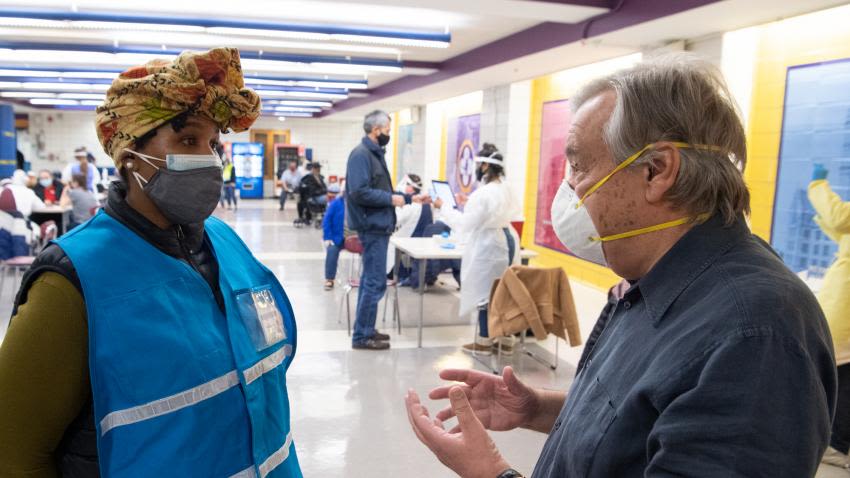
António Guterres and Solidarity During COVID-19 (2020)
As COVID-19 spread globally, Secretary-General António Guterres framed the pandemic as a shared human threat rather than a series of national crises. He emphasized that no country would be safe until all were safe, placing cooperation and solidarity at the center of the response.
This framing supported global efforts on humanitarian access, vaccine equity, and coordination. It also helped sustain momentum for stronger global health cooperation, contributing to the push for a Pandemic Accord.
Guterres’ leadership showed how shaping the narrative can redefine what cooperation is for — not only responding to crisis, but preparing for the next one.
The Signals to Watch
The next Secretary-General will take office in a world shaped by multiple challenges. Some crises will emerge suddenly. Others will build slowly until they reshape the systems people rely on.
To deliver impact, the next Secretary-General will need to be alert to early signals that windows for transformation are opening.
These signals do not predict the future.
But they show where political, economic, or technological pressure is building and where the next Secretary-General's leadership can influence how governments respond.
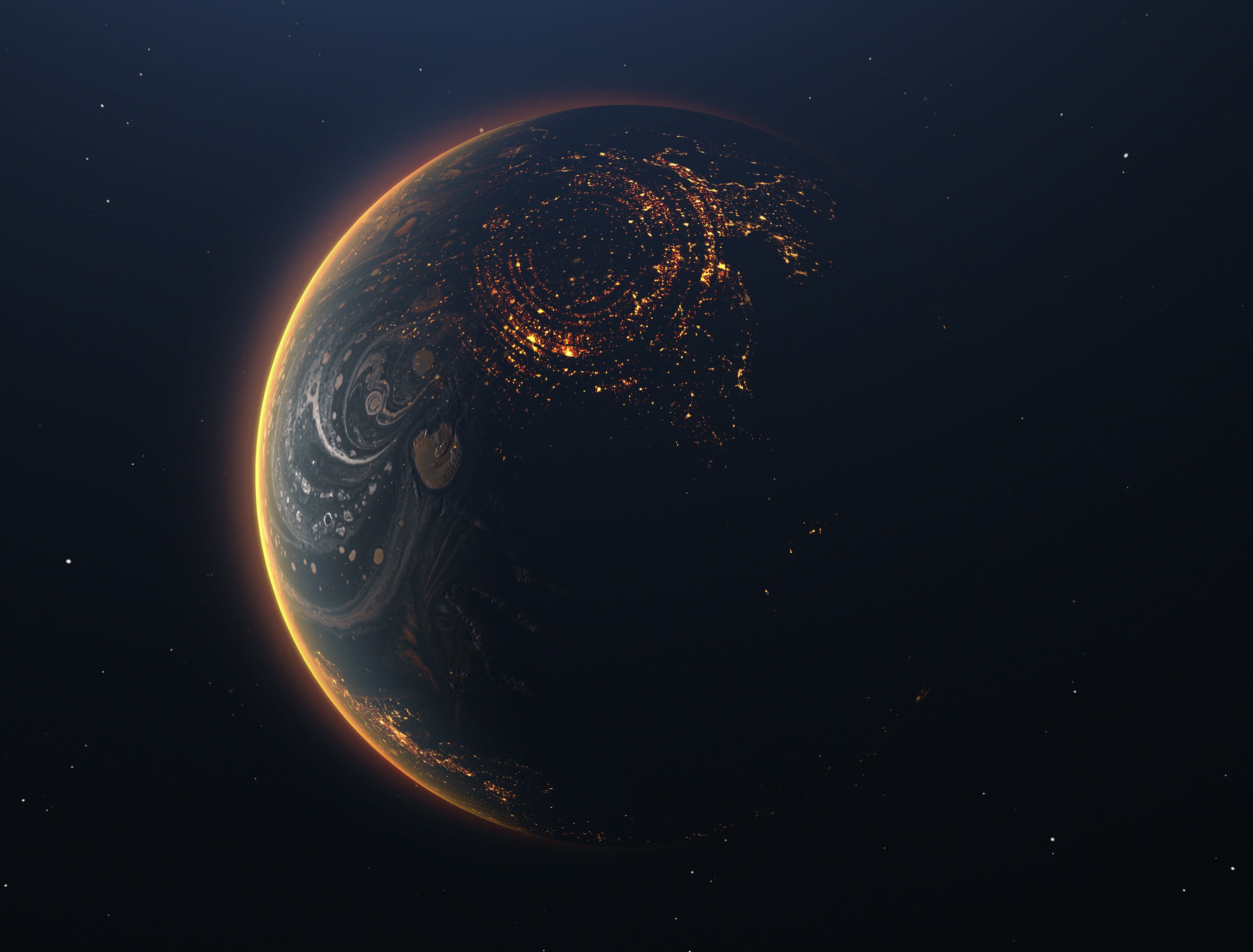
1. When Competition Crowds Out Cooperation
Governments increasingly use tariffs, sanctions, export controls, and investment restrictions as tools of strategic competition. Economic policy becomes an extension of geopolitical rivalry. For many countries, especially younger economies across Africa and Asia, this can restrict access to trade, technology, investment, and development opportunities.
Economic pressure is also rising. Global debt has reached roughly $251 trillion, about 235% of global economic output. Young countries facing inflation, slower growth, and financial instability have less room to invest in jobs, education, and infrastructure. For young people entering the workforce, these pressures mean fewer job opportunities and slower economic mobility. When opportunities narrow, frustration can turn into political instability, protests, and polarization.
The Secretary-General cannot end geopolitical rivalry or solve global debt problems. But the office can frame these pressures as shared challenges that require coordinated responses. Processes such as the Sevilla Commitment on financing for development provide opportunities to align governments, development banks, and international institutions around debt sustainability and long-term resilience as the world looks beyond the 2030 Sustainable Development Goals.


2. When Technology Outpaces Governance
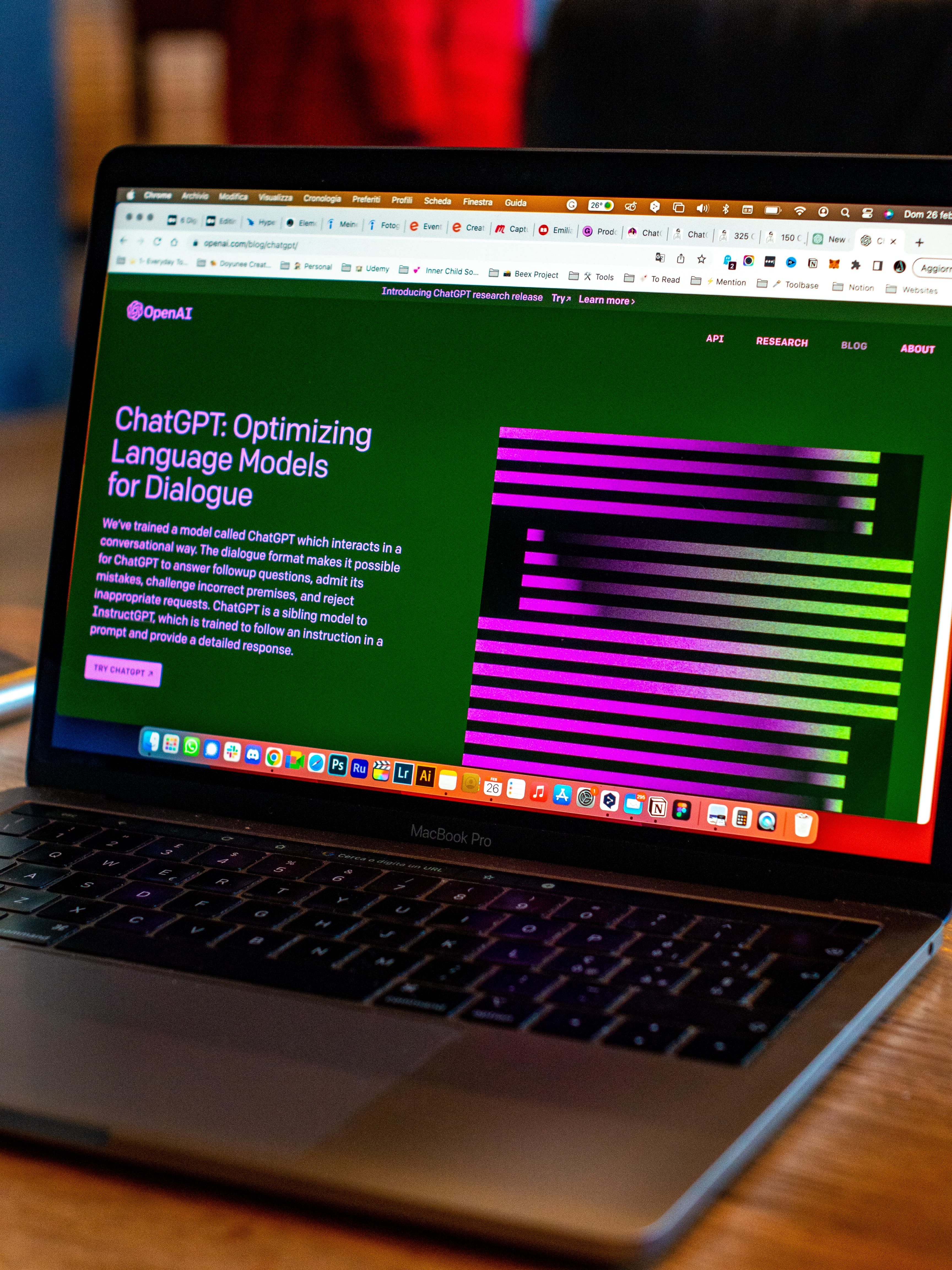
Advances in artificial intelligence and digital technologies are transforming economies, information systems, and security faster than governance structures can adapt. The global AI market is projected to grow from about $280 billion in 2024 to $3.5 trillion by 2033. These technologies may increase productivity while also reshaping labour markets, potentially displacing millions of jobs. For young people, this means entering careers that will change faster than education systems can adapt.
The Secretary-General cannot regulate emerging technologies. But the office can convene governments, scientists, companies, and civil society before technological standards become fixed. Initiatives such as the Global Digital Compact and the Independent International Scientific Panel on Artificial Intelligence provide a starting point for building shared approaches to AI governance.

3. When Societies Begin Losing Faith in the Future
A deeper shift appears when people begin to doubt that institutions can deliver a better future. Rising polarization is linked to inequality, misinformation, and economic insecurity. In many countries, younger generations feel excnluded from political decision-making and uncertain about economic opportunity. Narratives of “streets versus elites” are becoming more common as people question whether existing institutions can respond to their concerns. Youth-led protests and recent movements often reflect this frustration. When trust erodes, governments struggle to build consensus or make long-term decisions.
The Secretary-General cannot rebuild public trust alone. But the office can reconnect international institutions with the people they serve and bring long-term perspectives into global decision-making. Processes linked to the follow-up to the Summit of the Future, the Declaration on Future Generations, and recent UN80 reforms offer opportunities to embed youth and long-term perspectives into international governance.


What We Learn from Tipping Points
Looking across past tipping points and the signals emerging today, one lesson is clear: the Secretary-General’s influence is greatest before outcomes are decided, not after agreements are signed.
Three lessons stand out.
First, leadership matters before a crisis is fully visible. The Secretary-General’s influence is greatest early, when risks are emerging but governments have not yet locked themselves into opposing positions.
Second, momentum matters more than authority. The Secretary-General cannot impose solutions, but can use their convening power to bring governments and broad coalitions together to expand what is politically possible.
Third, preparation makes tipping points easier to use. The most effective moments of leadership build on processes that already exist, negotiations, summits, or agreements ready to advance when political conditions allow.
The signals emerging today suggest where similar moments of pressure may arise in the coming decade. The role of the Secretary-General is not to predict the future or solve every global problem. It is to recognize when the international system is approaching a moment where leadership can change the outcome.

Found this useful?
Share this with your friends, teachers, and networks, and find us at @ourfutureagenda on Instagram and tell us what you think the next Secretary-General should prioritize.

1. The Role
What the UN Secretary-General actually does and why the role is often misunderstood.
2. The Selection
How the UN Secretary-General is chosen, and why the selection process might feel so opaque.

3. The Trade-Offs
How leadership operates inside the UN and why it doesn’t work like your government.
4. The Vision
Moments when the UN Secretary-General shaped the world and what the next tipping point could be.


Like what you’ve read so far?
👉 Take the global survey to share what you think the role of Secretary-General should focus on, and join the World's Toughest Job Dialogues to explore how global leadership works in practice.
Prefer a quick overview?
Download the printable guide “How the United Nations Chooses Its Leader,” which distills all four Decoded series in a quick summary.
Note: Some archival images in this series have been enhanced, colorized, or animated using AI tools to support visual storytelling.

 Built with Shorthand