
THE SELECTION
How the Next Secretary-General Is Chosen

Listen to the story here:
Choosing the next United Nations Secretary-General is one of the most consequential leadership decisions in the world — and one of the least understood.
Most public attention focuses on who might get the job. Far less attention is paid to how the Secretary-General is chosen, or how that process shapes leadership style, skills, and judgment.
That 'how' is the important part, because the selection process does more than pick a person. It shapes the mandates, constraints, and expectations that the next Secretary-General will carry into office from day one.


The Formal Rules
What the Charter Actually Says
As with many UN processes, what is not written down matters as much as what is.
There aren't many written rules when it comes to choosing a Secretary-General. In fact, only one article of the UN Charter addresses it directly. Article 97 states that:
“The Secretary-General shall be appointed by the General Assembly upon the recommendation of the Security Council. He shall be the chief administrative officer of the Organization.”
... that's it.


The Charter does NOT specify:


How candidates
are chosen
What skills and
experience they need
How long they
will serve
How many
people can run
How the Security Council
decides who to support
Whether the General Assembly can suggest a different person




How the Process Works in Practice
If you've ever tried to follow a contest for Secretary-General and felt like you only understand half of what's going on, it's not you.
The process happens partly in public and partly behind closed doors.
Over time, traditions, habits, and a few formal reforms have filled in the gaps that the Charter leaves open.
Today, the selection process usually unfolds in five stages.
Step 1. The Joint Call for Candidates
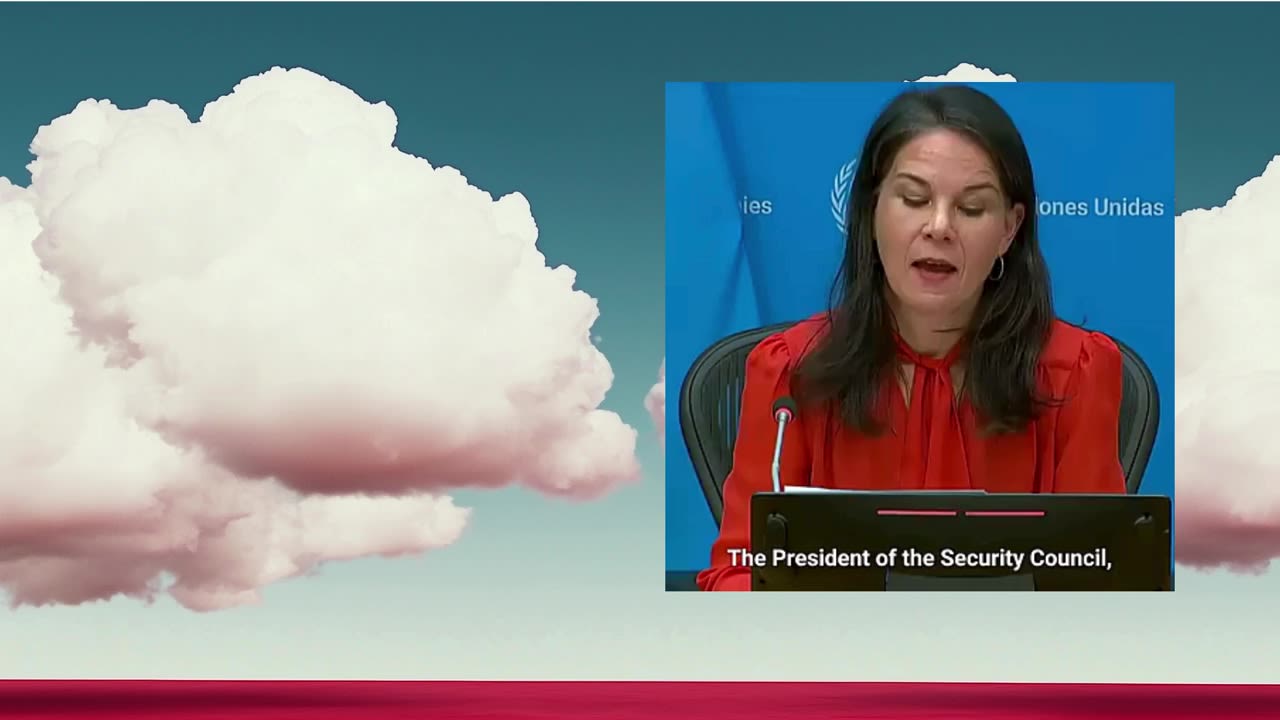
The process begins when the President of the General Assembly (PGA) and the President of the Security Council issue a joint letter inviting nominations from the 193 countries that belong to the UN, known as Member States.
This became standard practice in 2015 through two General Assembly resolutions, after calls for greater transparency.
Step 2. Nominations by Member States
Candidates must be formally nominated by at least one Member State. They do not need to be a citizen of the nominating country.
Nominated candidates are expected to submit:
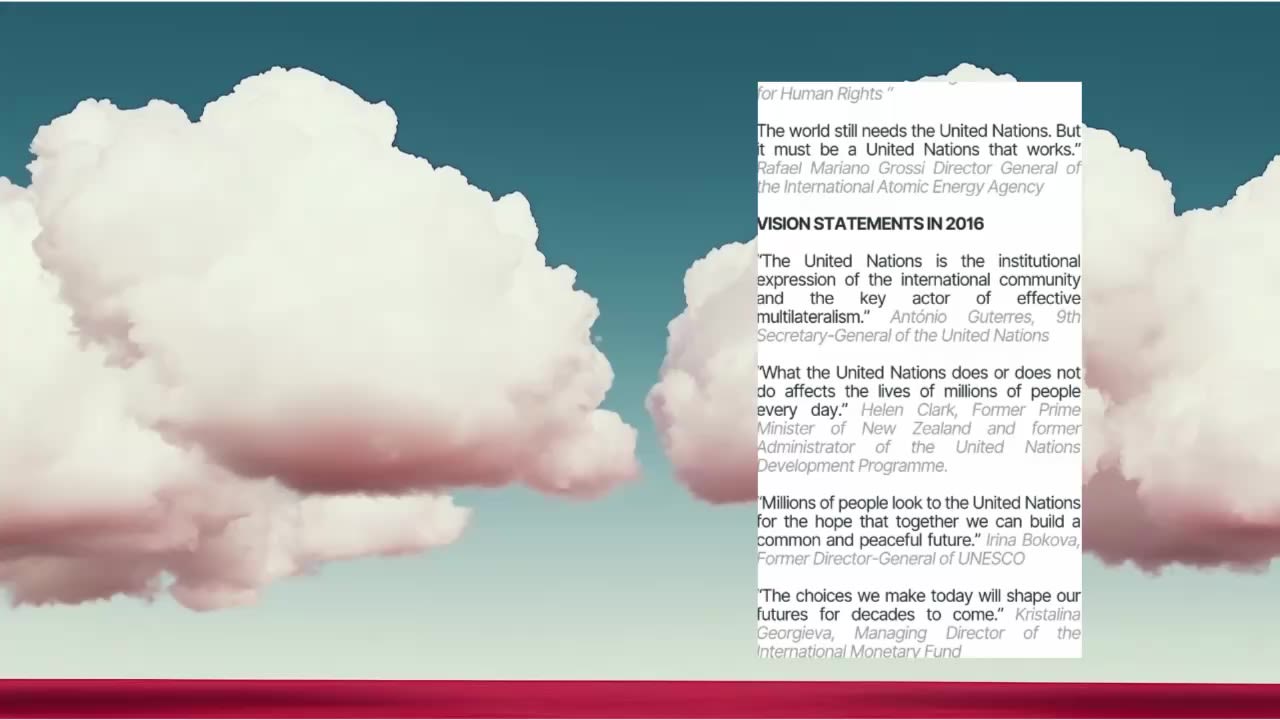
- A vision statement explaining their priorities
- A curriculum vitae outlining their experience
- Information about who is supporting their campaign
- A written commitment to not take orders from any government, and that they work for the UN, not their home country.
Since 2016, nominations have been shared publicly, a reform designed to make the process more transparent.


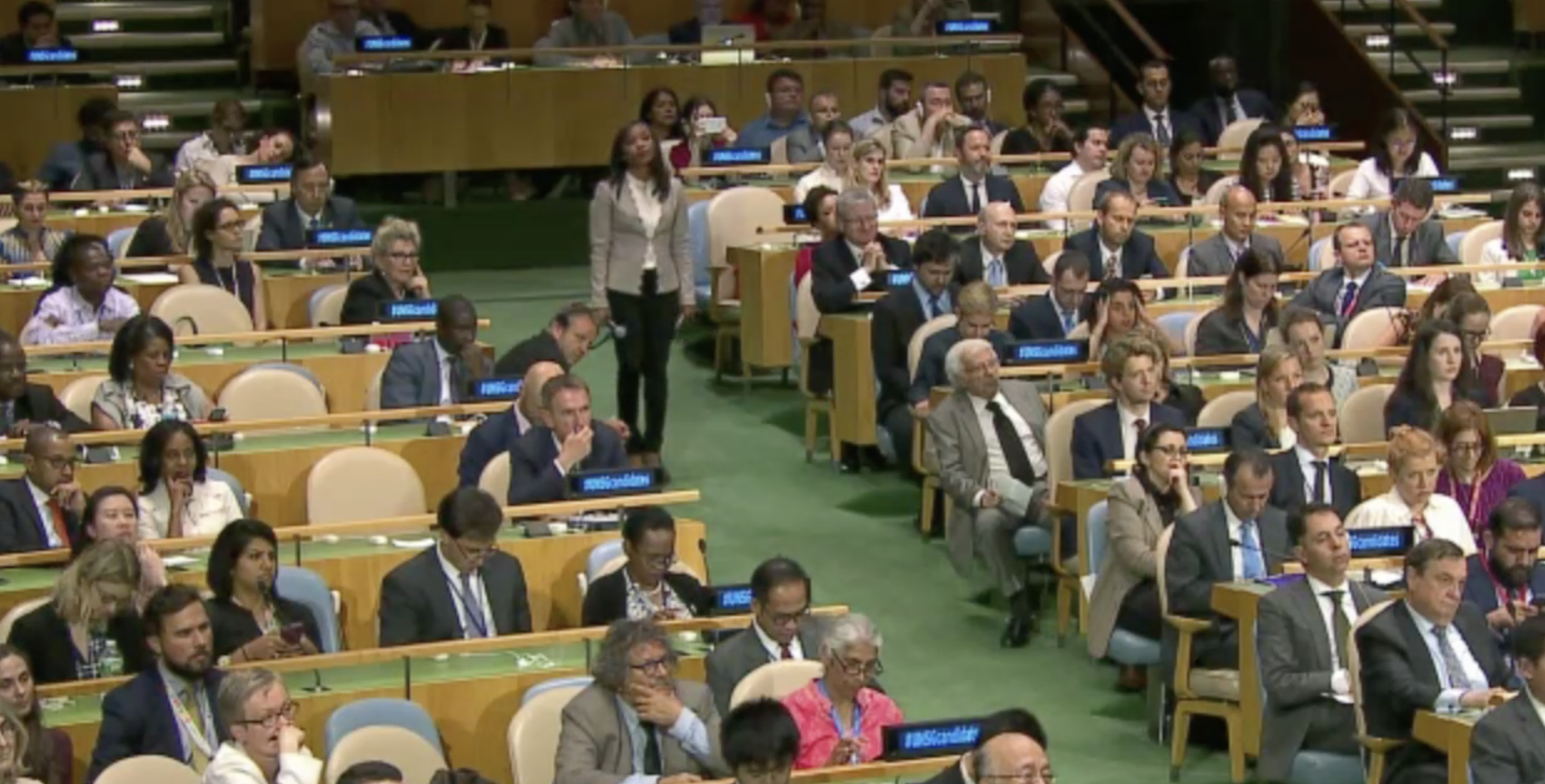


UNifeed
UNifeed

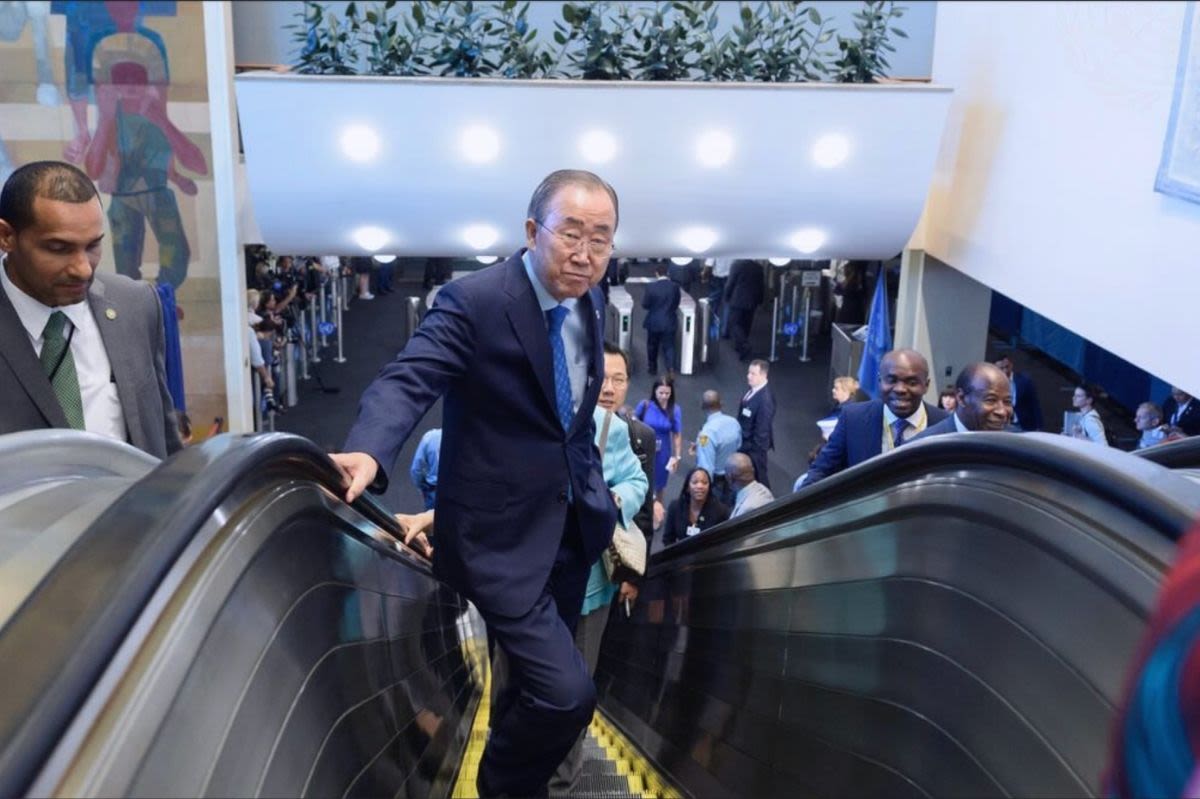

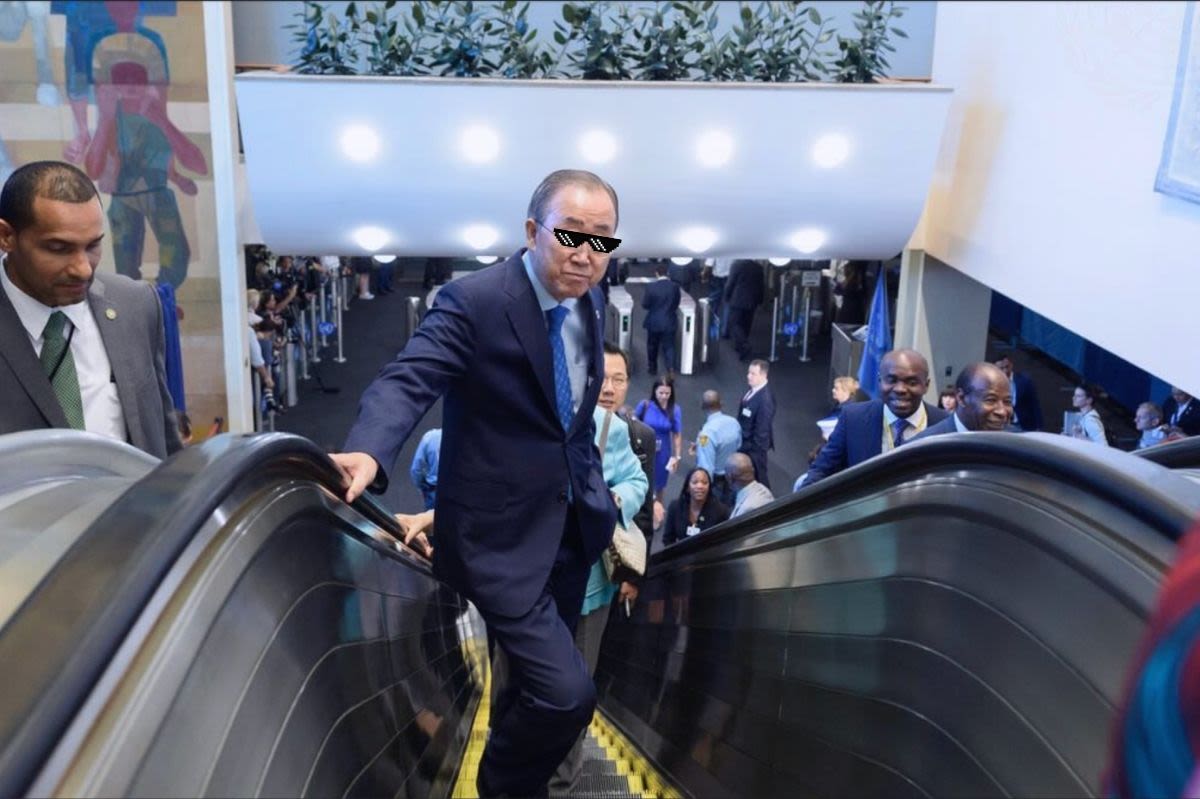
Ban Ki-moon (2006)
The Republic of Korea nominated Ban Ki-moon when he was not widely known to the public. What mattered was his background as a career diplomat and foreign minister.
His nomination signaled steadiness, neutrality, and trustworthiness. This helped him advance in a cautious selection environment.
The example shows how nominations reward institutional credibility over public profile.






Step 3. Public Hearings and Informal Dialogues
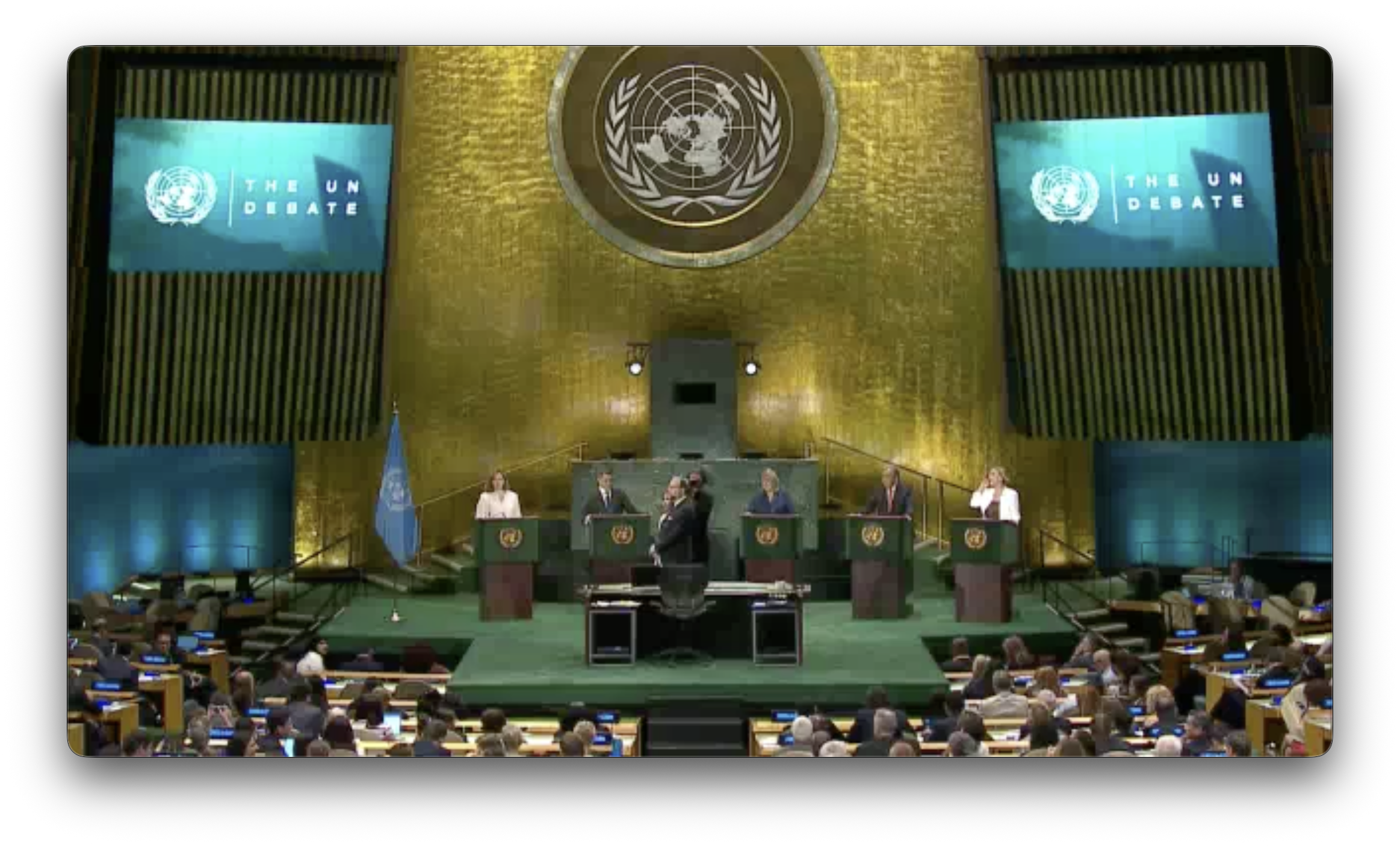
Candidates take part in informal dialogues with Member States. These are often livestreamed and include questions from civil society groups, including non-governmental organizations, activists, charities, and researchers.
The President of the General Assembly has announced that she will hold hearings for candidates during the week beginning 20 April 2026. Tune in on UN WebTV.
This step of the process is relatively new and linked to the wider push for “revitalization” of the General Assembly, which includes efforts to strengthen openness and participation around major UN decisions. These hearings:
- Increase public visibility
- Allow candidates to explain their priorities
- Create a public record of their leadership style and values
However, they do not determine the final outcome.
Step 4. Security Council Straw Polls
The Security Council holds a series of anonymous “straw polls.” These are private votes used to see which candidates have support.
In each round, Security Council members can mark a candidate as:






In later rounds, however, permanent members of the Security Council – China, France, Russia, the UK, or the US – use colored ballots to signal potential vetoes. A discouraging vote from any one of them at this stage can effectively block a candidate from advancing.
This is where the decision truly starts taking shape. Straw polls are held until one candidate clearly has broad support and no veto from a permanent member.
In 2016, there were six straw polls over about four months. Results were unofficial but widely leaked.
Kofi Annan
Kofi Annan emerged during the Security Council straw polls after other candidates failed to gain broad support.
His long career inside the UN reassured both major powers and smaller states.
He was seen as an organization man, the first to rise through the UNʼs own ranks to its highest position. The informal votes quietly narrowed the field.
Step 5: Final recommendation and appointment
Formally, the endgame is three steps:


SECURITY COUNCIL
After a formal vote, the Security Council recommends a candidate (usually just one).


GENERAL ASSEMBLY
The General Assembly then votes to appoint them, or reject the recommendation (which has never happened before).


PUBLIC PLEDGE
Then there is a public swearing-in, where the new Secretary-General pledges to uphold the purposes and principles of the UN Charter.


Javier Pérez de Cuéllar
The 1981 selection became a prolonged veto standoff in the Security Council. China repeatedly vetoed the Austrian incumbent Kurt Waldheim, while the United States blocked Tanzania’s Salim Ahmed Salim.
After weeks of deadlock, both sides abandoned their preferred candidates and agreed on a compromise: Peru’s Javier Pérez de Cuéllar. His selection illustrates how Secretary-General races can become wars of attrition among major powers, with the final candidate emerging only when rival vetoes cancel each other out.
Why This Process Feels Opaque
Some critics argue that the process for selecting a Secretary-General gives disproportionate power to a small number of countries.
While the General Assembly represents all 193 Member States, the Security Council – which makes the formal recommendation – is made up of only 15 at any one time. On top of this, the five Permanent Members of the council have particular influence over the outcome due to their veto power.
This creates a paradox: the Secretary-General serves all Member States, but must first secure the confidence of a small number of powerful governments.
During the selection process, candidates often make informal commitments, build understandings about priorities, and signal how they would manage relationships with major powers.
These dynamics shape not only who is chosen, but the political space the Secretary-General has once in office.
Why The Process Matters
The selection process does more than choose a person. It shapes the political space the next Secretary-General will have from day one. Because candidates must secure the confidence of the most powerful governments while remaining acceptable across regions and political blocs, the process tends to reward leaders who are skilled at managing relationships under pressure.
But the demands of the job extend beyond what the process alone selects for. Across global youth dialogues, young people consistently emphasize that credibility depends on moral courage under constraint, deep listening, emotional intelligence, and long-term thinking beyond short-term political cycles.
These qualities do not appear in the UN Charter. Yet in practice they shape whether the Secretary-General’s voice carries influence in moments of crisis and whether cooperation is easier to sustain.
Understanding both sides of this equation, what the selection process favors and what the job actually requires, is essential. It clarifies why leadership at the UN depends less on formal authority and more on judgment, trust, and the ability to navigate power without being captured by it. Setting expectations for the next Secretary-General begins with recognizing this tension.


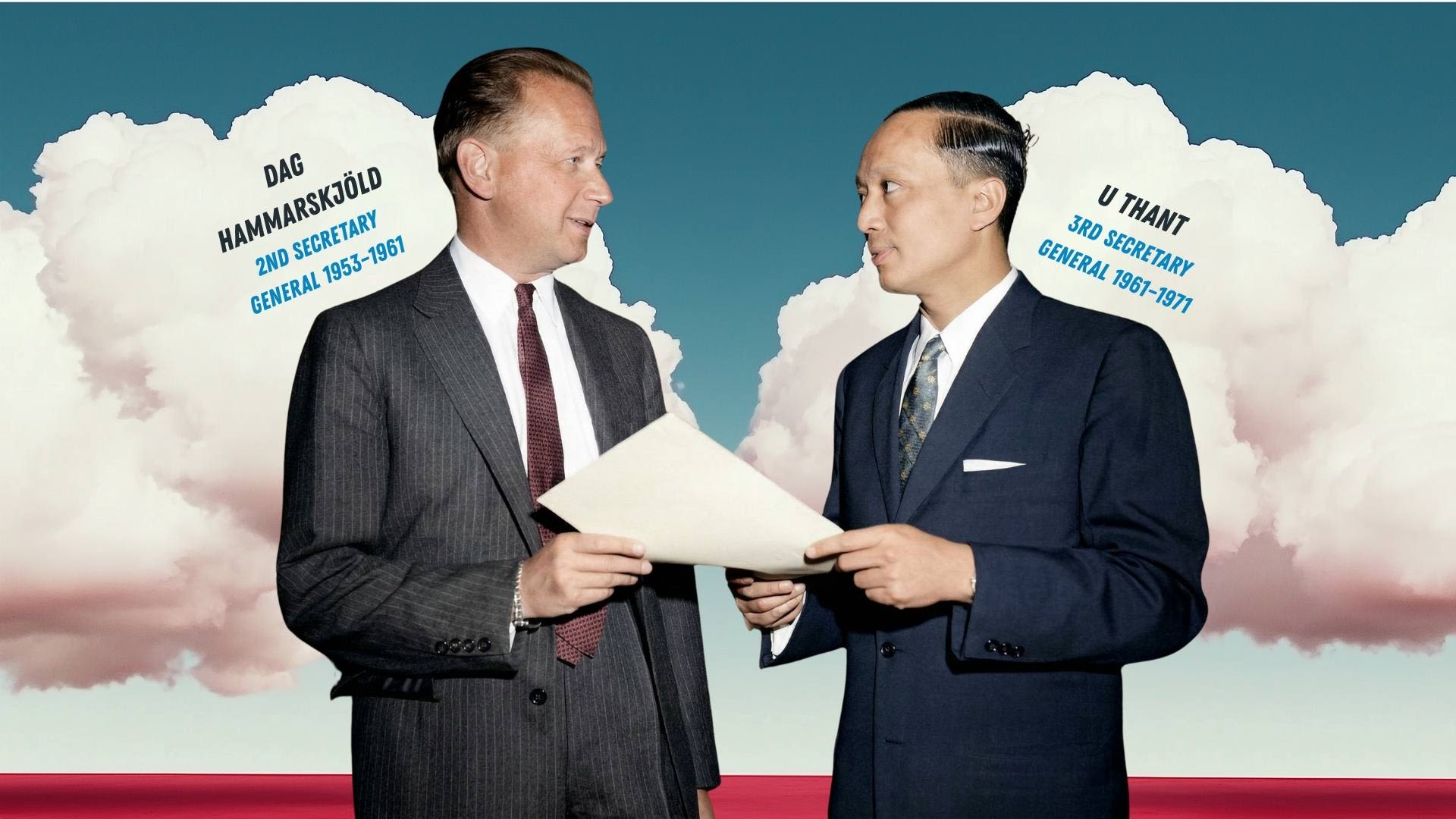
Dag Hammarskjöld and U Thant
Dag Hammarskjöld was selected during the Cold War because he was trusted by Western, Eastern, and non-aligned states to act independently and with restraint. His leadership style emphasized quiet diplomacy, careful use of the UN Charter, and coalition-building rather than public confrontation.
After Dag Hammarskjöld’s sudden death, U Thant was chosen as his successor at a moment when global tensions were high, becoming the first Secretary-General of the United Nations from the Global South. As a diplomat from a country not aligned with either the Soviet Union or the United States, U Thant reassured both sides that the Secretary-General would act as a fair and trusted arbiter amid superpower rivalry.
Both leaders were valued for the traits above. Their selections reflect a long-standing pattern in which the process favors trust, discretion, and diplomatic skill.
Up next
3. The Trade-Offs: How Leadership Operates Inside a System of States

1. The Role
What the UN Secretary-General actually does and why the role is often misunderstood.
2. The Selection
How the UN Secretary-General is chosen, and why the selection process might feel so opaque.
3. The Trade-Offs
How leadership operates inside the UN and why it doesn’t work like your government.
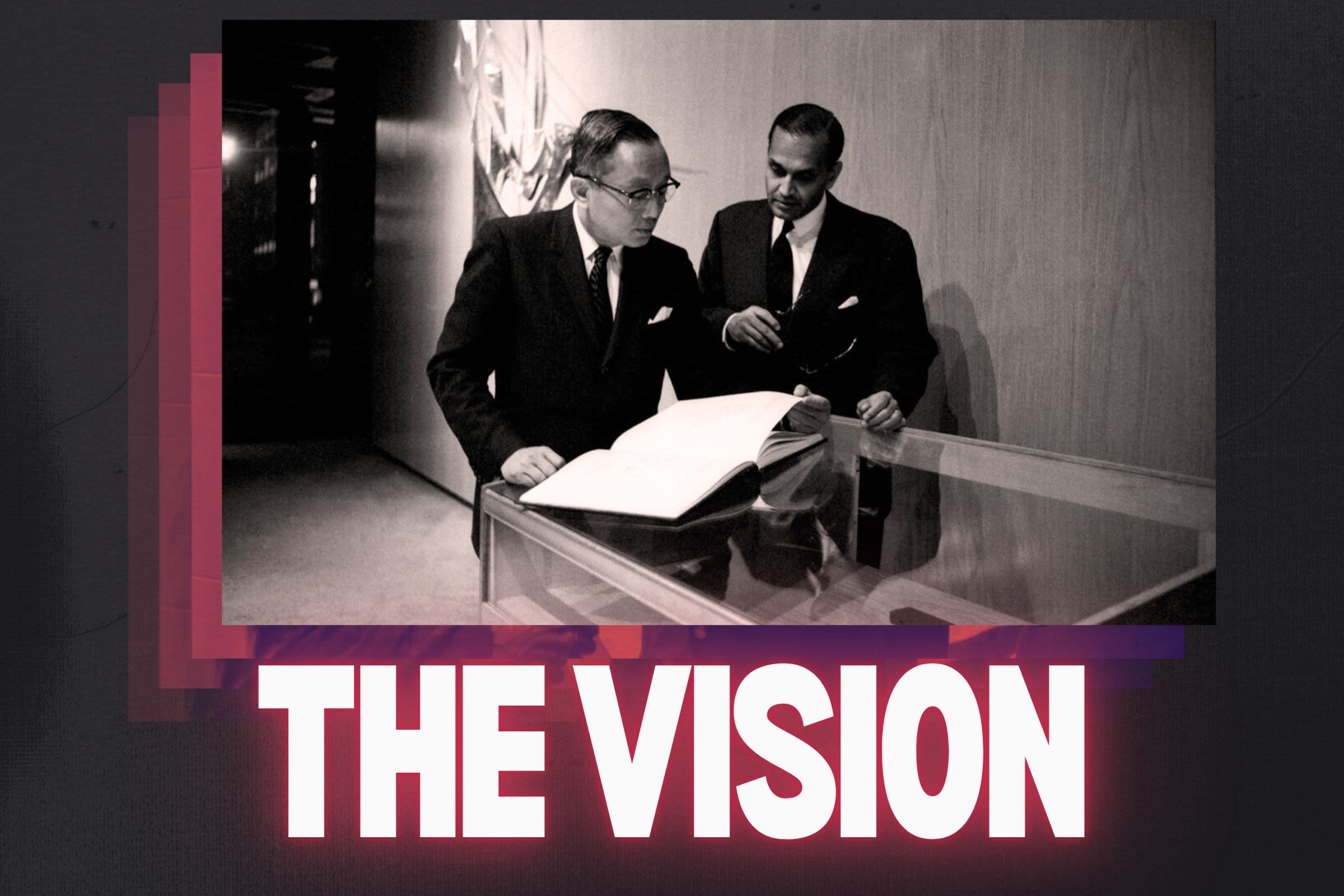
4. The Vision
Moments when the UN Secretary-General shaped the world and what the next tipping point could be.


Like what you've read so far?
👉 Take the global survey to share what you think the role of Secretary-General should focus on, and join the Worldʼs Toughest Job Dialogues to explore how global leadership works in practice.
Prefer a quick overview?
Download the printable guide “How the United Nations Chooses Its Leader,” which distills all four Decoded series in a quick summary.
Note: Some images in this series have been created, enhanced, colorized, or animated using AI tools to support visual storytelling.
 Built with Shorthand