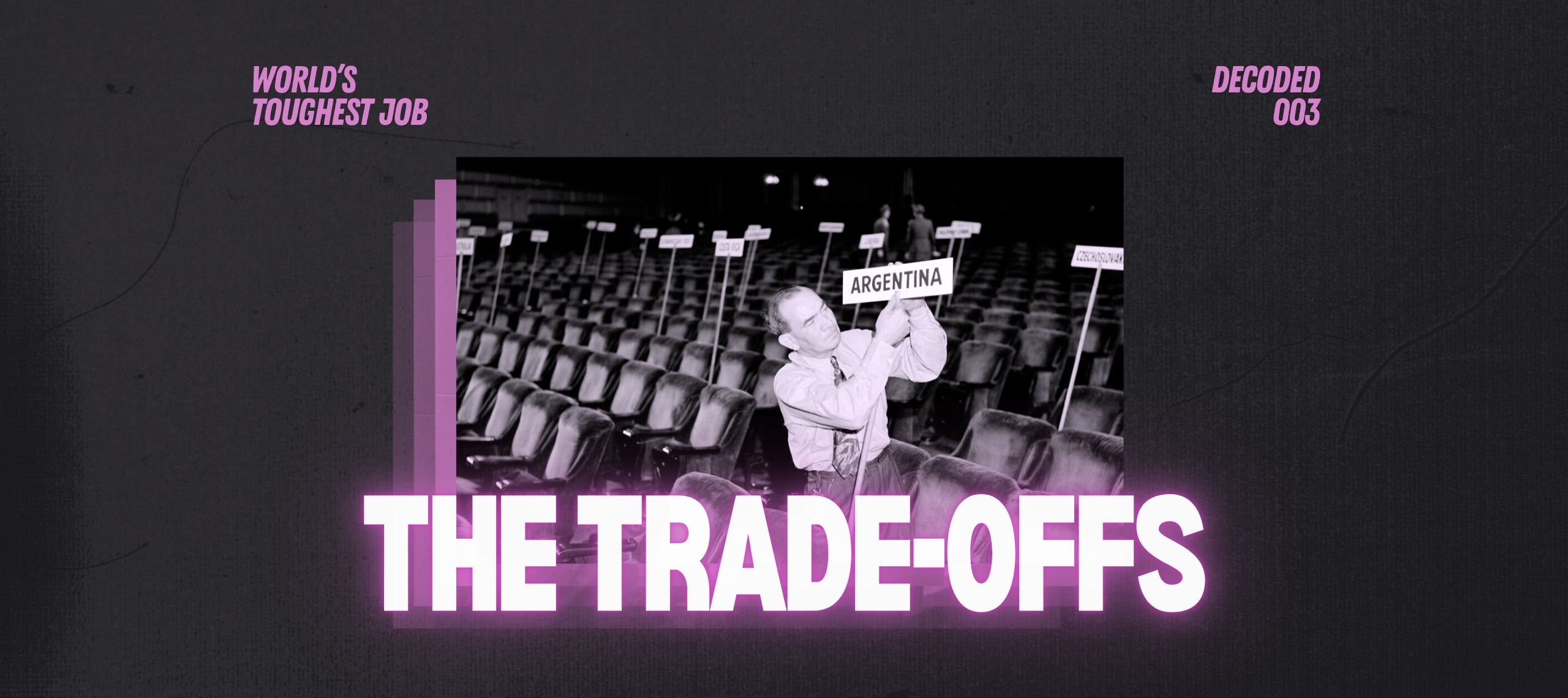
THE TRADE-OFFS
How Leadership Operates Inside a System of States

Listen to the story here.
The United Nations is often judged like a government.
People ask:
Why doesn’t it act faster?
Why doesn’t it enforce rules?
Why doesn’t it just jump in and fix everything?


The UN Secretary-General leads in a world that demands action, while having very little power to act.
Unlike Presidents or Prime Ministers, the Secretary-General does not govern, control armed forces, or pass laws.
Instead, they operate in a system where authority is shared, consent is required, power is unevenly distributed, and every decision involves a trade-off.
Understanding how the Secretary-General’s leadership actually works – and why judgment, restraint, and timing are critical – helps explain why they can’t simply step in and solve the world’s problems.


A System Designed for Global Cooperation
The UN is an intergovernmental organization, meaning it is made up of 193 countries that retain control over their own national decisions.
The Secretary-General and the UN Secretariat act on decisions agreed by member States and help countries work together.
When countries join the UN, they agree to follow rules set out in the UN Charter, but day-to-day political authority remains with national governments. This means that the Secretary-General cannot:
- Force countries to follow rules,
- Enforce decisions on their own
- Act without the Member States' consent





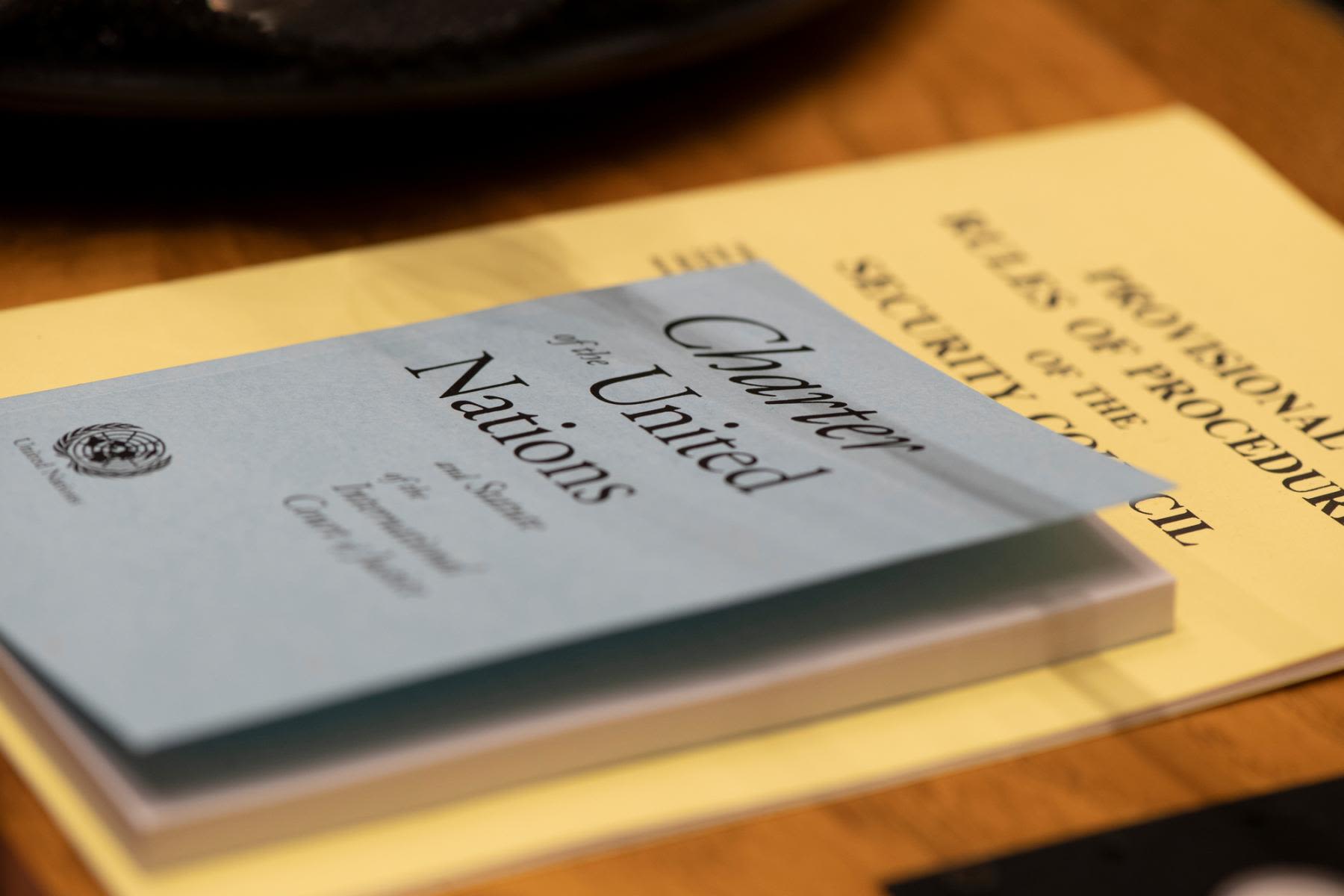
The Security Council’s Leadership
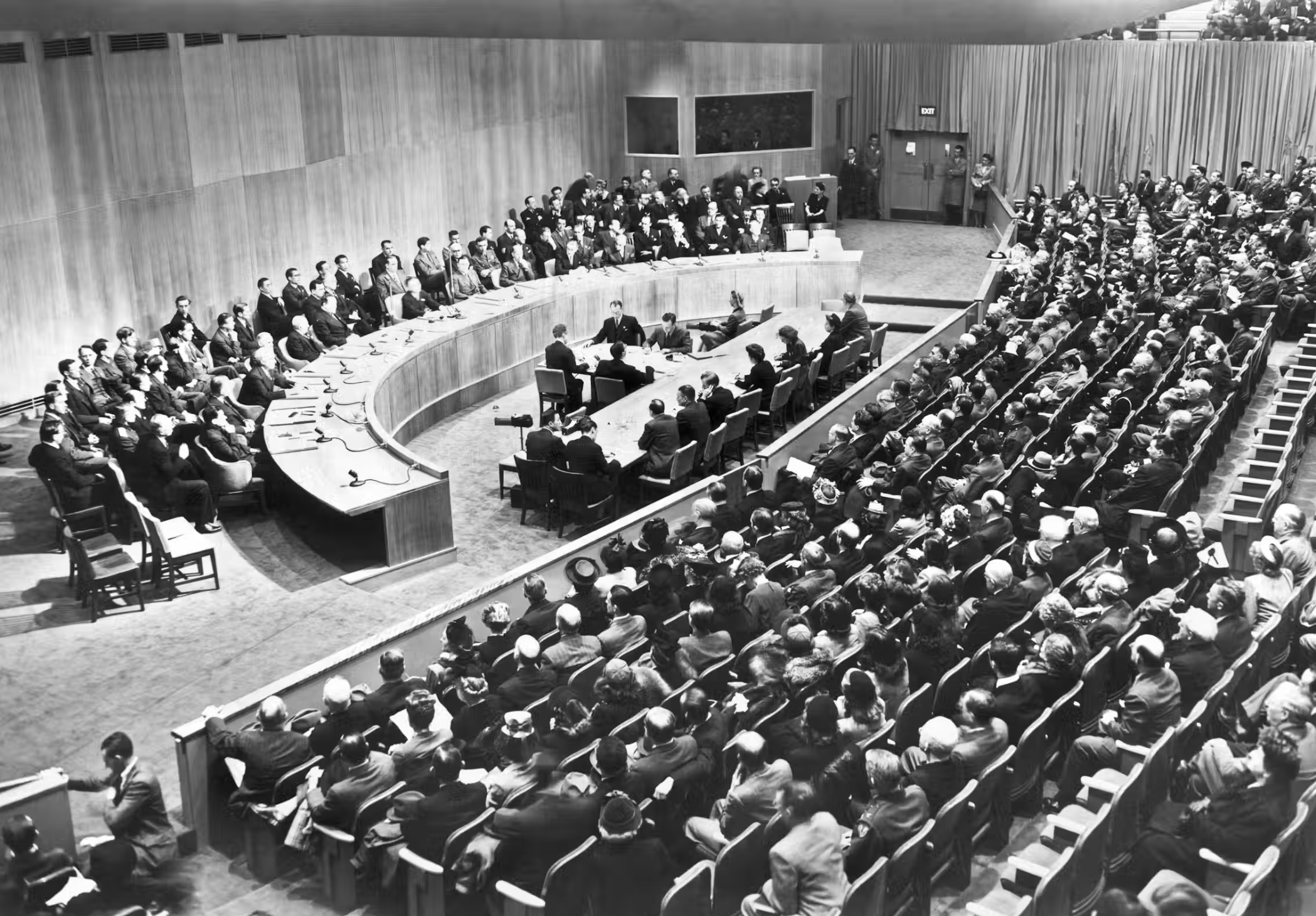
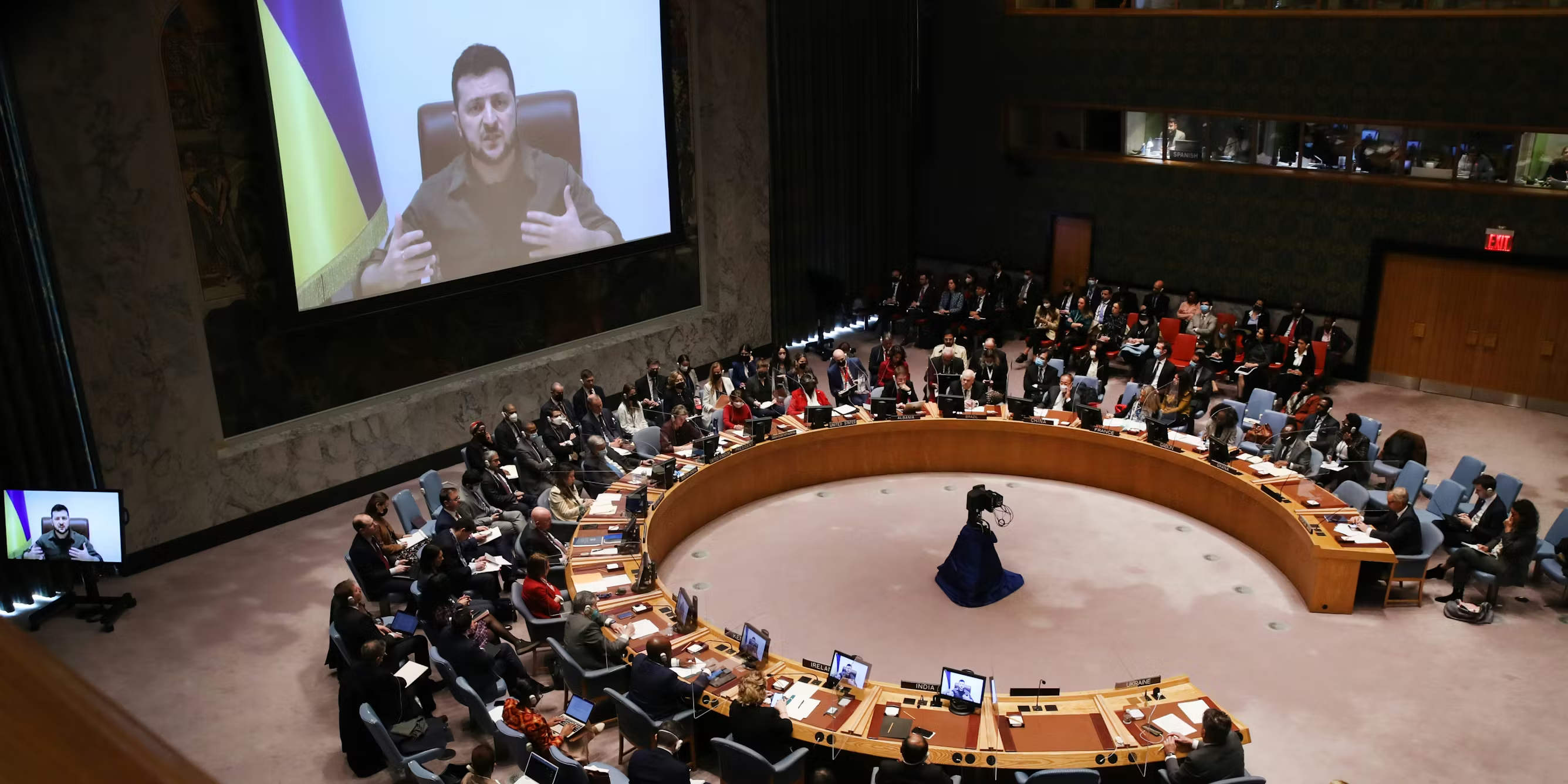
The Secretary-General is expected to lead the world in moments of crisis, but the most powerful decisions are not theirs to make.
Under the UN Charter, the Security Council holds primary responsibility for international peace and security, and its P5 permanent members — China, France, Russia, the United Kingdom, and the United States — can block major decisions with a veto.
The Secretary-General cannot force the Security Council to act.
Instead they must judge:
- Whether speaking publicly helps build consensus or harden positions?
- Will taking action behind the scenes help maintain trust or damage credibility?
- When could pressure help move things forward, and when could it shut down the only opportunity for progress?
Inside the Security Council, the Secretary-General’s leadership is about timing: knowing when pressure helps and when it closes the only available channels.
Because the Secretary-General cannot force outcomes, much of the most consequential work happens out of view — through private mediation, shuttle diplomacy, and carefully managed negotiations that keep cooperation alive.



Speaking vs. Staying Silent
One of the most visible and controversial trade-offs in the job is when to speak publicly.
Public statements can:
- mobilize global attention,
- signal moral clarity,
- pressure states to act.
But they can also:
- trigger backlash from governments,
- reduce access to decision-makers,
- end mediation efforts altogether.
The Secretary-General must constantly decide whether speaking publicly will do more good than harm in any given moment.
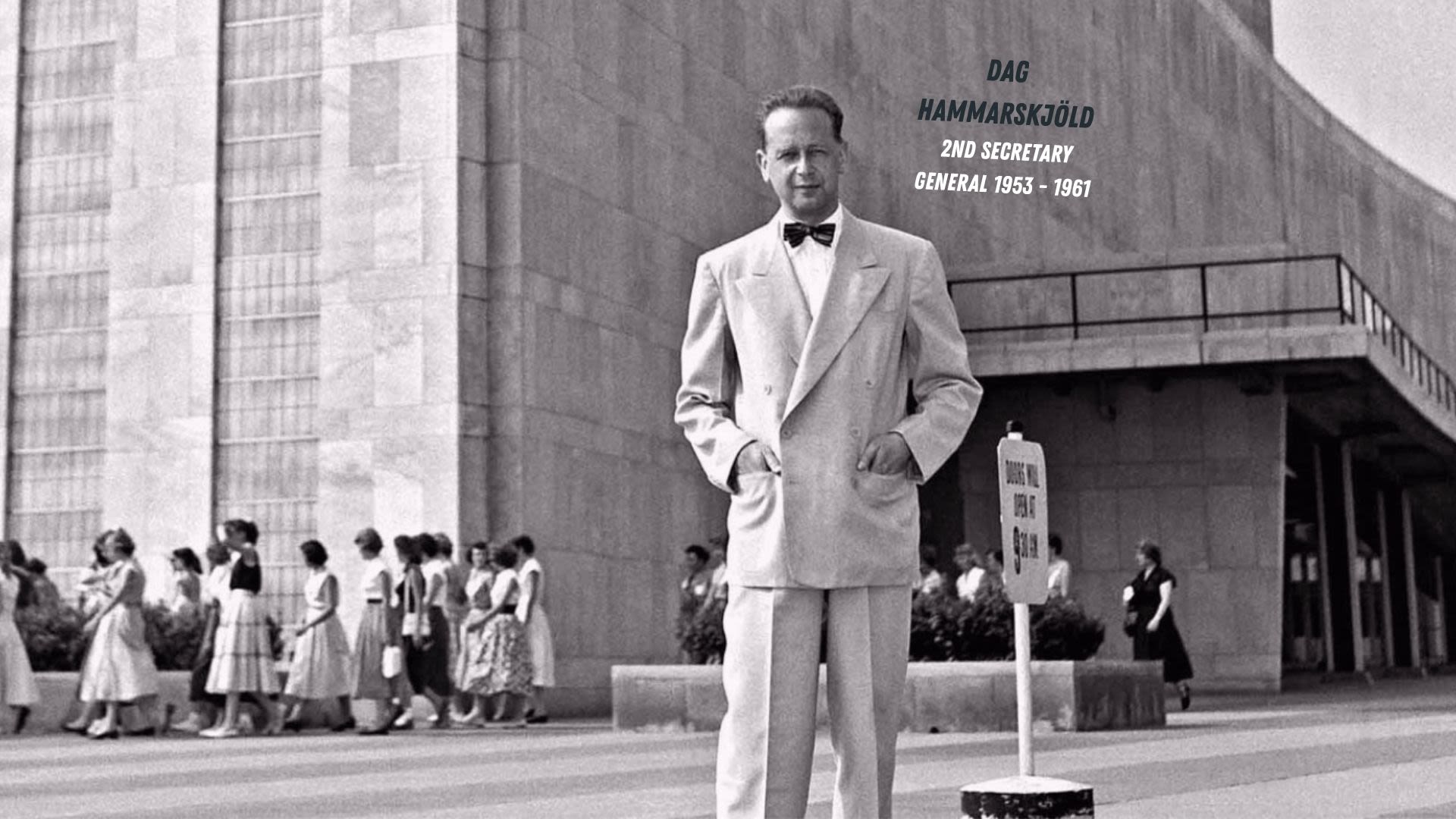
Dag Hammarskjöld and Quiet Diplomacy During Cold War Crises
During the Cold War, Secretary-General Dag Hammarskjöld used discreet negotiation and mediation to manage crises, particularly in the early UN peacekeeping missions.
Hammarskjöld believed that public statements could harden positions and reduce the UN’s ability to act behind the scenes. His approach helped establish peacekeeping as a practical tool for de-escalation, even when the UN lacked enforcement power.
This balance became a lasting model for the Secretary-General’s use of so-called “good offices.”



Early Warning vs. Political Timing
Another persistent trade-off is early warning versus political timing. The UN system is often criticized for responding too late to crises, but reacting too early carries its own risks.
These risks include:
- Raising alarms before states are willing to act can lead to efforts being ignored.
- Repeated warnings without follow-through can make leaders lose credibility.
- Stepping in too soon can make a tense situation worse.
The Secretary-General must decide when a risk has crossed the threshold where action becomes urgent, knowing that waiting too long can be catastrophic, but moving too early can weaken their ability to influence what happens next.
This challenge is well documented in UN reviews of conflict prevention.
Here, leadership is less about certainty than making careful decisions when the outcome is unclear.
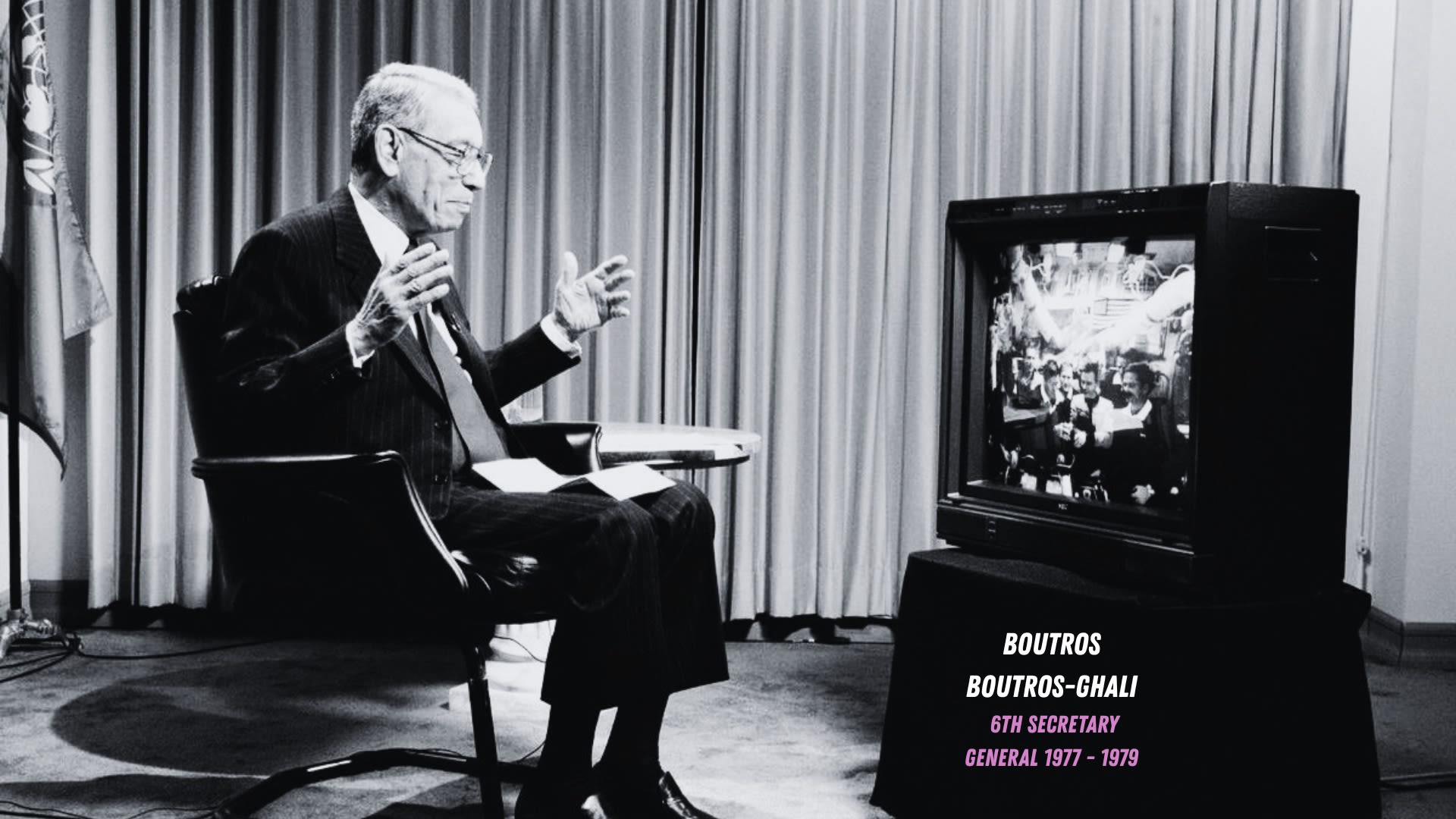
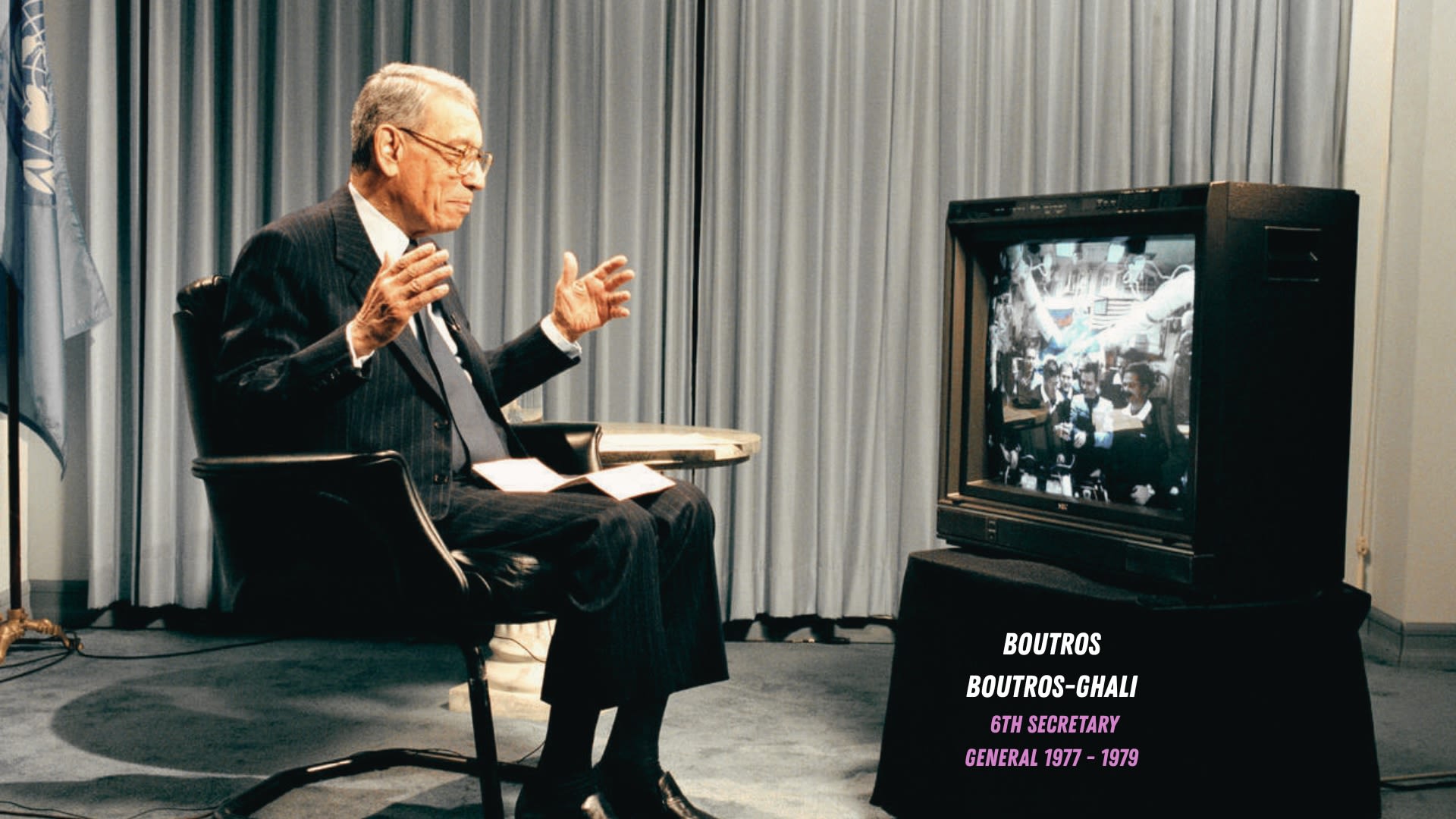
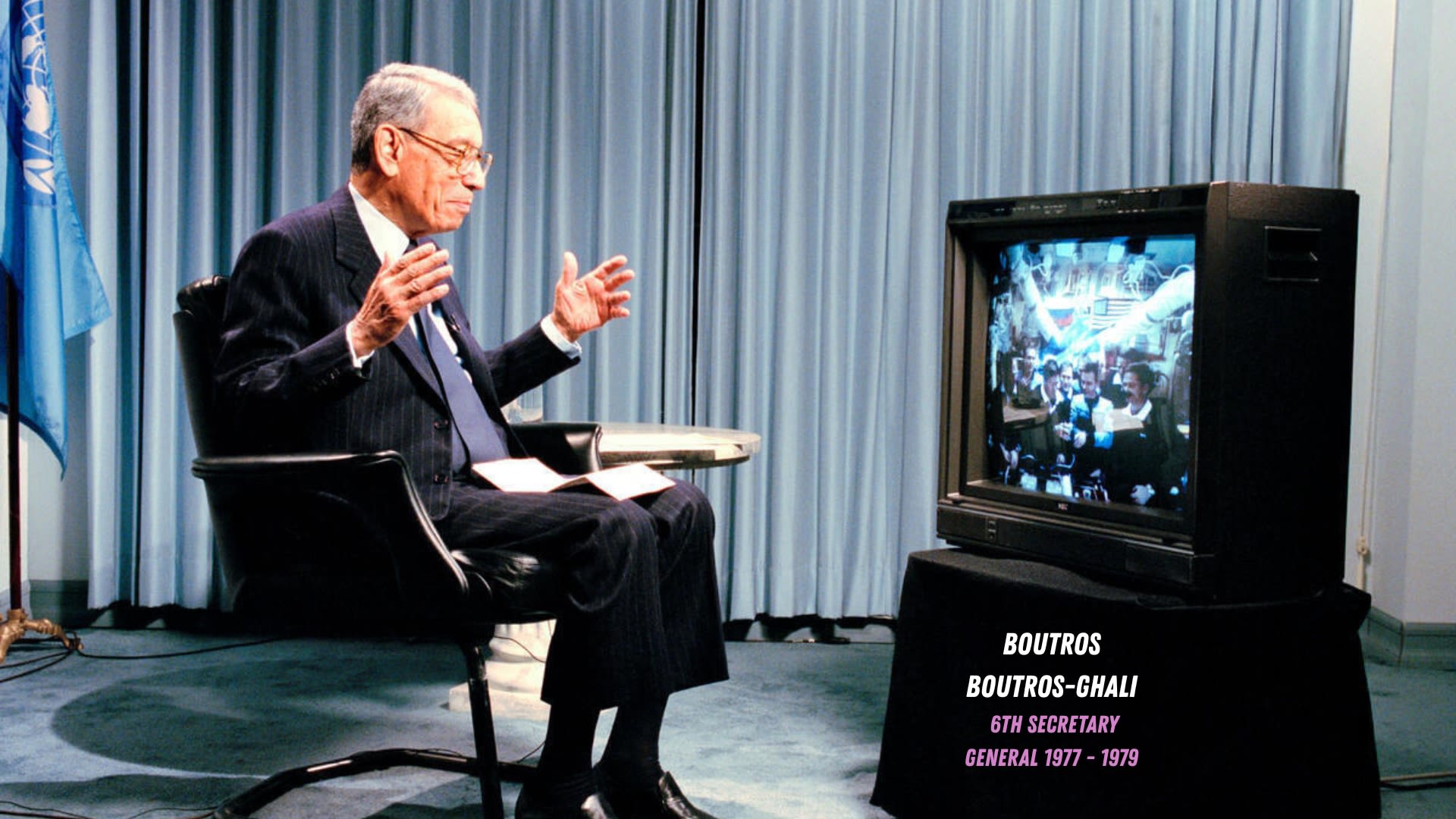
Boutros Boutros-Ghali and preventive diplomacy.
Secretary-General Boutros Boutros-Ghali argued that one of the UN’s jobs is to spot danger early and try to prevent conflicts before they turn violent.
In Agenda for Peace he acknowledged that early warnings often arrive before countries are ready to act, and that this gap meant many risks could not be addressed immediately, despite being well understood.
His experience highlighted how the Secretary-General must judge when to escalate warnings and when to continue building political readiness quietly.
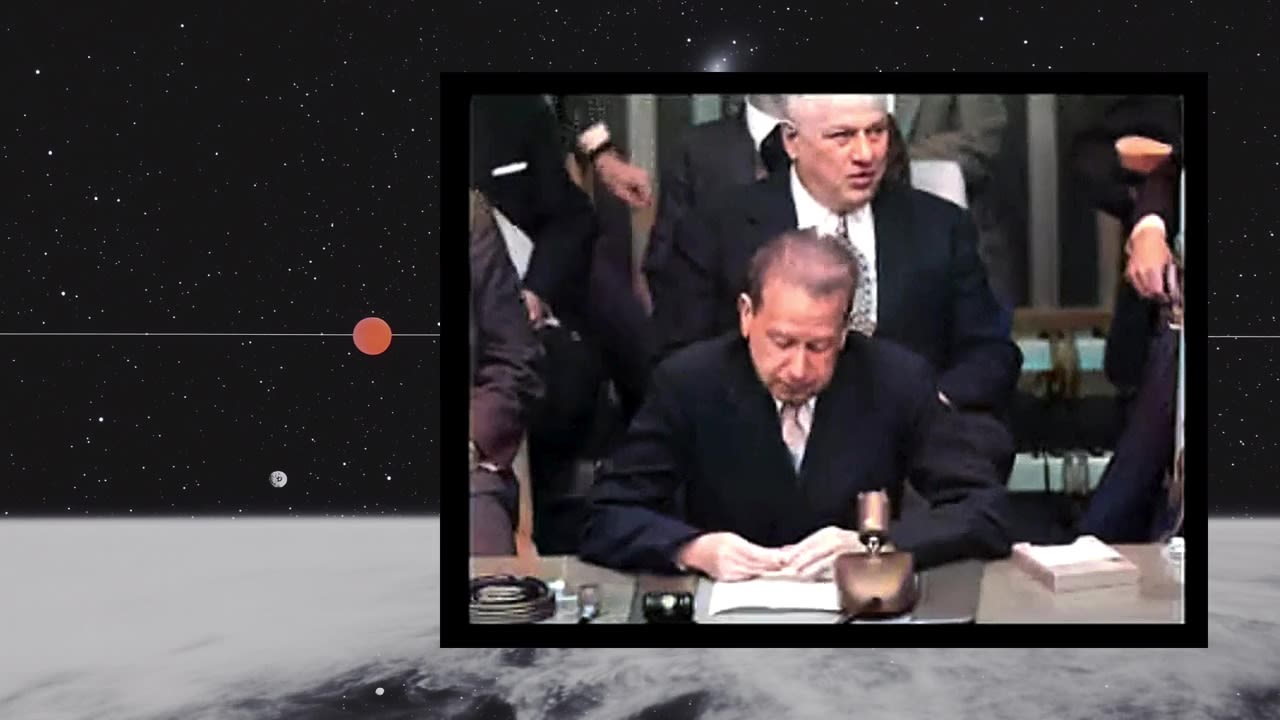
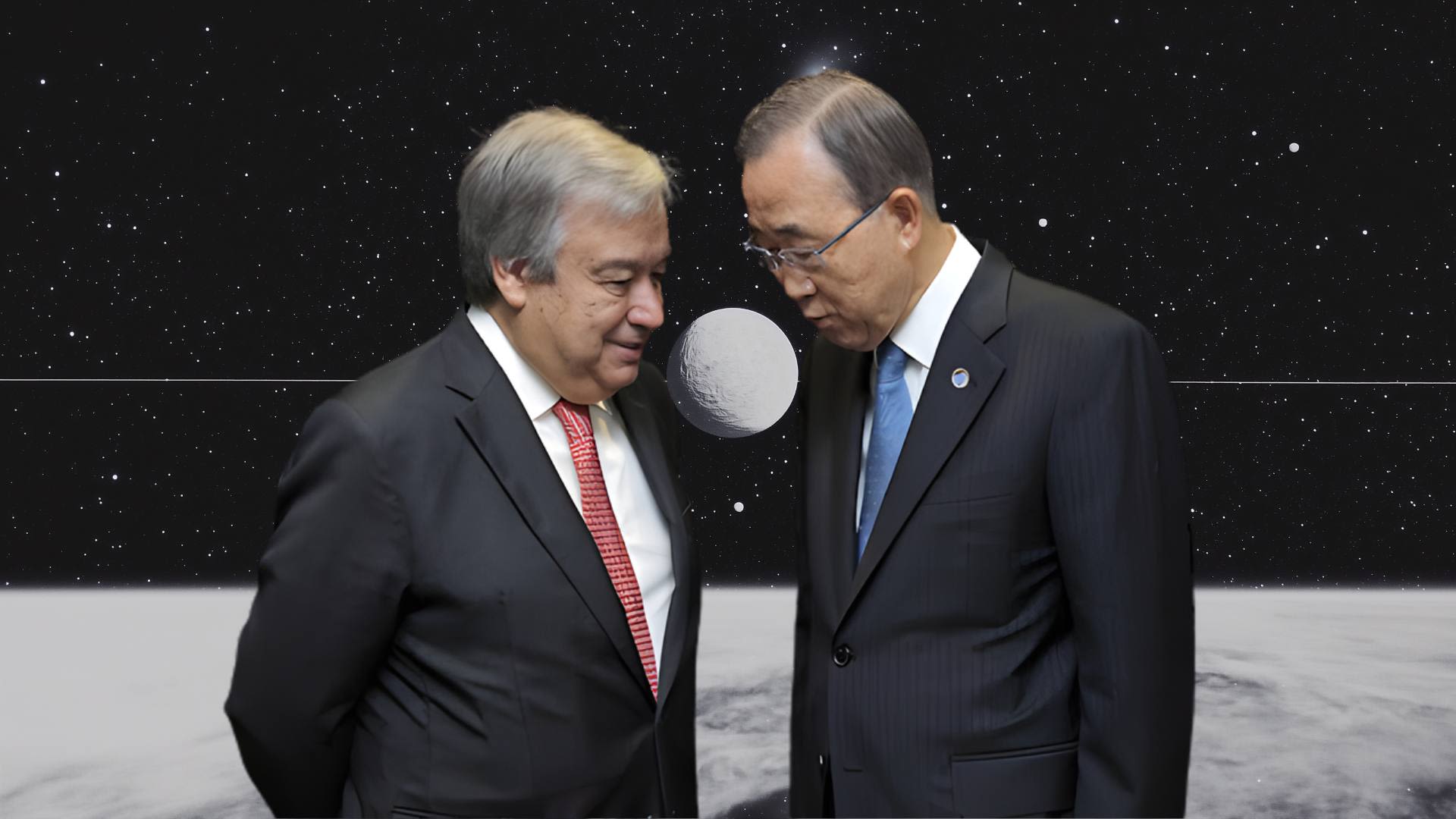
Da Ali G Show - Boutros Boutros-Ghali, UN Secretary General





Impartiality vs. Moral Clarity
The UN Charter requires the Secretary-General and international civil servants to act independently of national interests while upholding universal values such as human rights, dignity, and civilian protection.
This creates a conundrum. If the Secretary-General speaks too forcefully against governments, they risk losing access. But, if they act too cautiously, they risk appearing complicit or irrelevant.
Impartiality does not mean staying neutral when potential dangers arise, but it does require careful judgment about how and when to act.
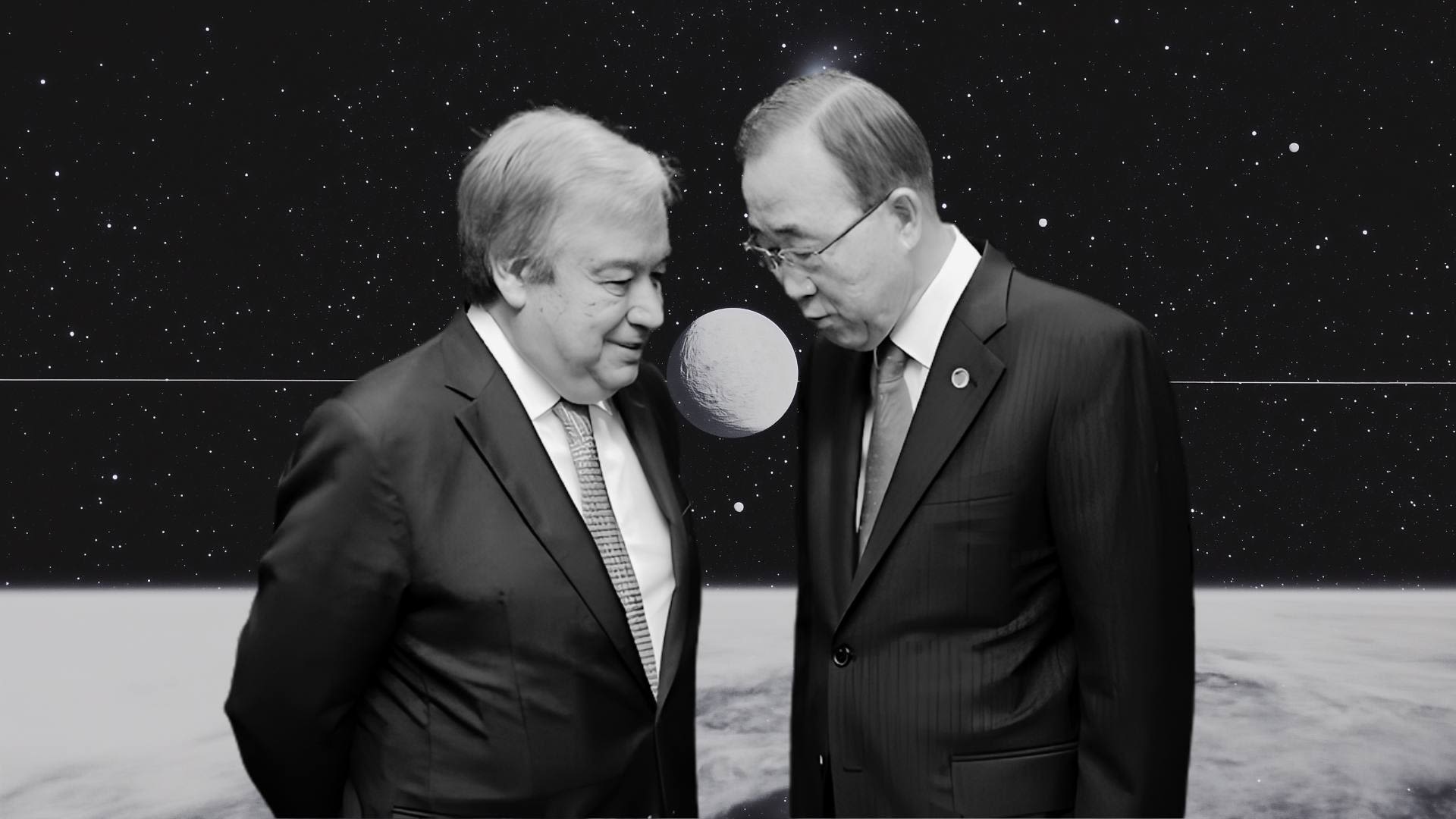
António Guterres and climate urgency
Secretary-General António Guterres has repeatedly framed climate change not only as an environmental issue but as a moral and existential one, warning that humanity is on a “highway to climate hell.”
At the same time, he has avoided singling out governments in ways that would shut down negotiations.
By pressing publicly for ambition while maintaining relationships with major emitters, Guterres has demonstrated how a Secretary-General can combine a moral position with diplomatic access.
Coordination vs. Fragmentation
The Secretary-General operates within a vast system of agencies, programs, and funds, such as the World Health Organization, UNICEF, and the World Food Programme.
These are part of the UN system but have their own leadership, budget, and governing board of Member States. They function independently and are accountable to Member States, not to the Secretary-General.
What the Secretary-General can do is bring them together. Through regular meetings of agency heads, they try to align priorities, coordinate responses, and avoid duplication of efforts. But cooperation depends on persuasion, not authority.
The trade-off is constant:
- Push too hard for unity and risk resistance from independent institutions.
- Move too cautiously and risk fragmentation when coordinated action is most needed.
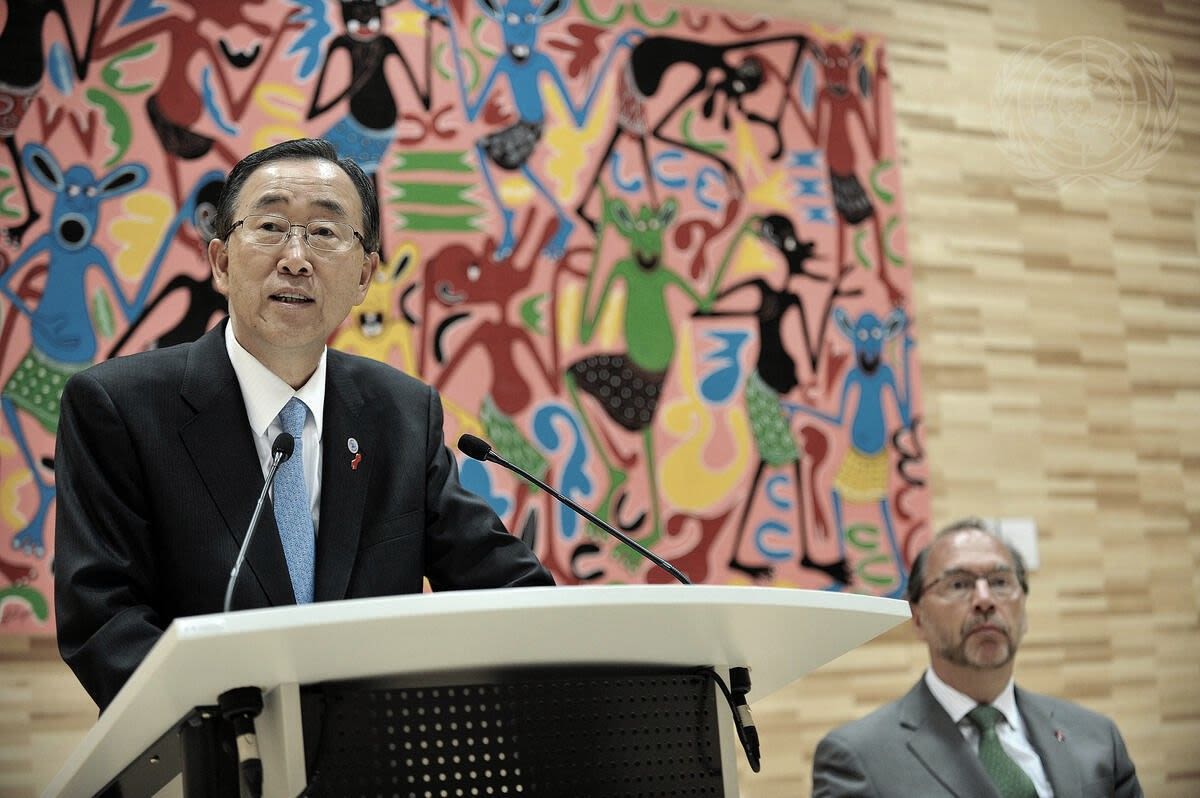
Ban Ki-moon and the 2008 global food crisis.
During the 2007–2008 global food crisis, Secretary-General Ban Ki-moon focused on coordinating international responses to prevent market panic and humanitarian collapse.
He brought together UN agencies, governments, and international financial institutions to align their actions on food security, which helped stabilize supply chains and sustain global food markets during a volatile period.
This required balancing individual agencies' autonomy with an approach that made sense for the whole UN system.
Visibility vs. Effectiveness
Public expectations often equate leadership with visibility: speeches, statements, and summits. But some of the most effective Secretary-General interventions leave no public record, such as:
- persuading Security Council members not to veto a fragile agreement,
- keeping communication open between countries that refuse to meet,
- delaying escalation until political space emerges.
Much of this work happens quietly, without cameras or formal announcements. And that creates a problem. If most of your impact happens behind closed doors, it’s understandable that people may wonder: What is the Secretary-General is doing?
In the UN system, preventing a crisis quietly can matter more than dramatic public action. This is one of the hardest parts of the job: effective leadership may look like inaction from the outside.

Javier Pérez de Cuéllar and discreet mediation
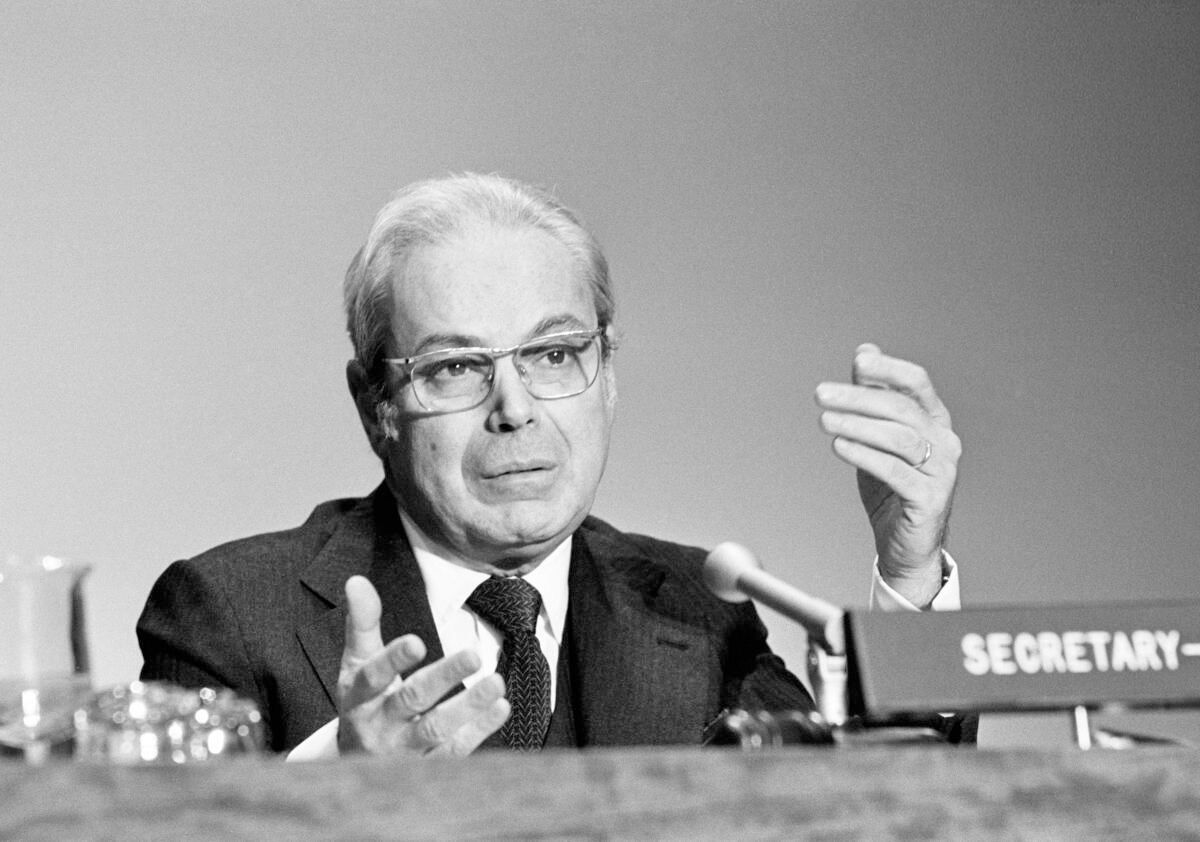
Secretary-General Javier Pérez de Cuéllar was known for favoring discreet mediation over public diplomacy.
He worked quietly to support peace processes in Central America during the 1980s, particularly through UN-backed diplomatic efforts linked to the Esquipulas Peace Process. Many of these efforts lacked high-profile announcements or public credit. Nevertheless, they contributed to sustained negotiations and eventual settlements.
His time in office shows the most effective leadership can be almost invisible.

What This Means for Expectations
In a world of overlapping crises, the pressure on the Secretary-General to “do something” has never been greater. But the system they lead has not fundamentally changed.
The next Secretary-General will inherit:
- the same Charter,
- the same Security Council dynamics,
- the same fragmented UN system
- with even higher expectations.
When people ask:
- “Why didn’t the UN act sooner?”
- “Why didn’t the Secretary-General speak out?”
- “Why did nothing seem to happen?”
The answer often lies in choices made under constraint, not in a lack of care or ability. This does not remove responsibility, but helps explain what responsibility looks like in a system built on cooperation between countries, not control over them.
Up next
4. The Vision: Moments when the UN Secretary-General shaped the world

1. The Role
What the UN Secretary-General actually does and why the role is often misunderstood.
2. The Selection
How the UN Secretary-General is chosen, and why the selection process might feel so opaque.
3. The Trade-Offs
How leadership operates inside the UN and why it doesn’t work like your government.
4. The Vision
Moments when the UN Secretary-General shaped the world and what the next tipping point could be.


Like what youʼve read so far?
👉 Take the global survey to share what you think the role of Secretary-General should focus on, and join the Worldʼs Toughest Job Dialogues to explore how global leadership works in practice.
Prefer a quick overview?
Download the printable guide “How the United Nations Chooses Its Leader,” which distills all four Decoded series in a quick summary.
Note: Some images in this series have been created, enhanced, colorized, or animated using AI tools to support visual storytelling.


 Built with Shorthand