
The UN’s Next Era Will Be Built in Disorder
Why the 10th Secretary-General's job is not restoring the old order, but governing through its rupture.
Governing a System That Won’t Reset
The next UN Secretary-General will not inherit a settled international system waiting to be repaired, but a world in which repair itself is contested. The old reflex — that global order can be restored if the right leaders recommit to the right rules — is no longer enough. The harder question is this:
How does the UN keep cooperation alive when the system around it is fragmenting?
That is the starting point for any serious conversation about the office. The next Secretary-General will work inside overlapping pressures: wars that expose the limits of the Security Council, debt burdens that shrink countries’ room to act, climate shocks that move faster than politics, digital systems that concentrate power ahead of governance, and a widening gap between what global cooperation promises and what people can feel in their lives.
And early, indicative signals from The World’s Toughest Job survey make that tension hard to ignore. Almost three in four young people say global cooperation is essential but not working, or that it works only for a few.
Because thesurvey remains open, those numbers should be read as a live snapshot rather than final findings, and readers shouldtake the survey to add their own view. But the direction is already clear: young people are not rejecting cooperation. They are rejecting a version of cooperation that feels unequal, distant, and too slow to matter.
For readers who want to go deeper before going further, this question sits at the heart of Decoded 1: The Job and Decoded 2: The Selection, which unpack what the office actually is and how the process of choosing the next Secretary-General shapes the kind of leadership that reaches the role.
1. The Role
What the UN Secretary-General actually does and why the role is often misunderstood.
2. The Selection
How the UN Secretary-General is chosen, and why the selection process might feel so opaque.
3. The Trade-Offs
How leadership operates inside the UN and why it doesn’t work like your government.
4. The Vision
Moments when the UN Secretary-General shaped the world and what the next tipping point could be.
Not a Global President
A common mistake is to imagine the Secretary-General as a global president.
In reality, the Charter outlines a much narrower role: no army, no tax base, no power to influence countries, and no executive authority over the permanent members of the Security Council. The youth-written Job Description makes the same point clearly:
"This is not a ceremonial role, and it is not a solo rescue mission.”
But that’s not to say that the role is powerless. In Dialogue 1, Ambassador Ali Naseer Mohamed offered the clearest understanding of the Secretary-General, describing them as the world’s “chief convener of political will.”
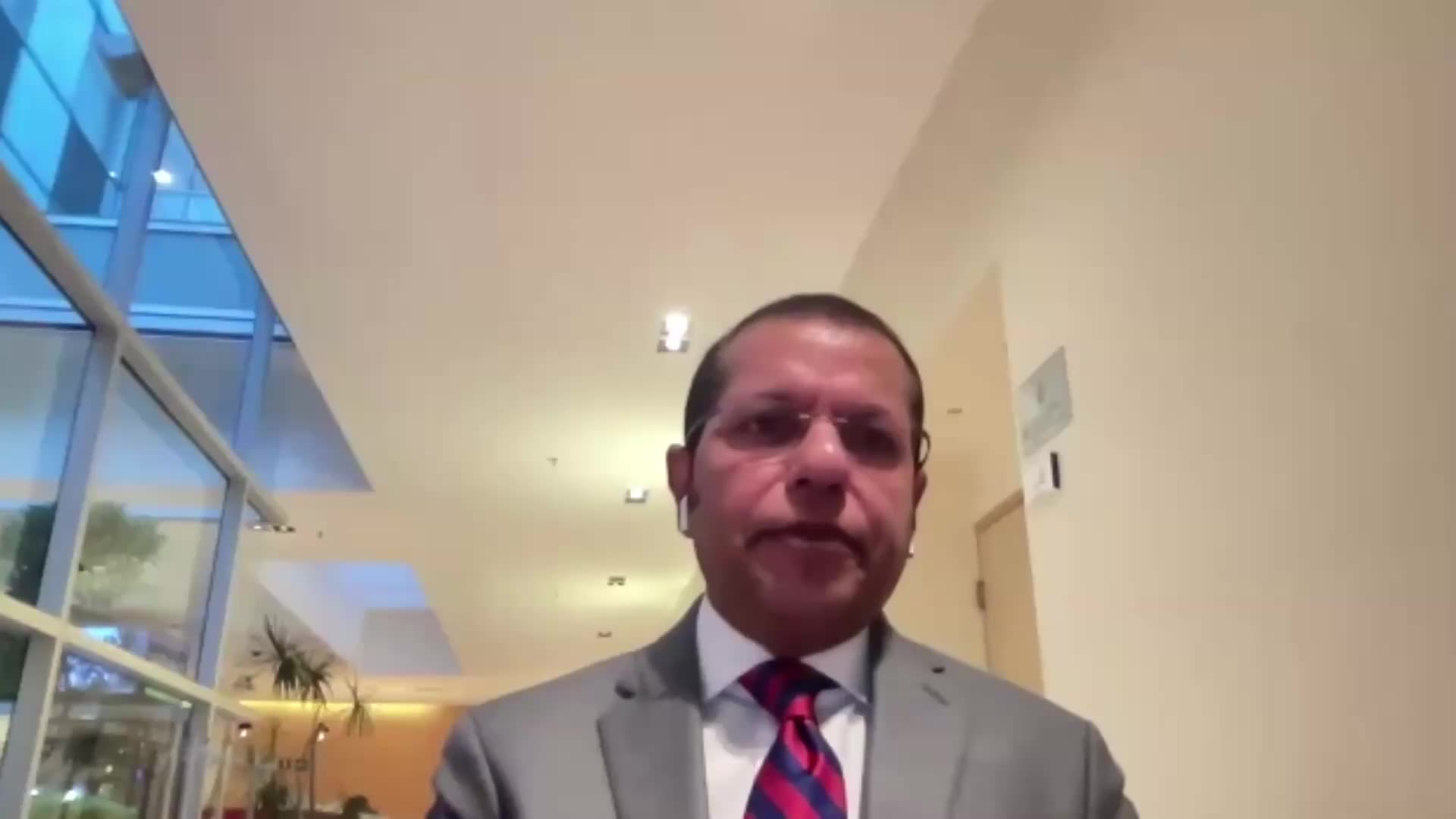
This cuts through two persistent misconceptions. The Secretary-General cannot command the world, but when timing, credibility, coalition building, and moral authority align, they can move.
That kind of leadership is critical when single hierarchy. The next Secretary-General will have to work across many arenas: the Security Council and the General Assembly, regional organizations and development banks, climate negotiations and technology forums, civil society networks and private actors that increasingly shape public outcomes. To not only bring these disparate voices into the room, but to connect them before division can set in, is key.
Using the Office Under Constraint
The UN has faced periods of strain before. In the 1960s, it was fragile, underfunded, and politically contested, yet when the Cuban Missile Crisis emerged, its leadership was perfectly suited to the challenge at hand.
As Decoded 1 notes, former Secretary-General U Thant had no formal mandate to help de-escalate the crisis. What he had was moral authority, relationships, timing, and the ability to create space for de-escalation when the Security Council could not act. His example shows thatthe office has mattered most when it has been used with imagination inside tight constraints.
That period also offers a wider perspective on the possibilities of the UN. At the time, it was energized by newly independent states that saw it as a platform for a more peaceful and more equal world, and that sense of optimism still resonates today.
In a more crowded, contested, and crisis-shaped landscape, the next Secretary-General will need to restore confidence not by overstating what the office can do, but by using it with clarity and purpose.
That means governing through disorder rather than promising restoration.
A leader who spends the next term mourning a world that no longer exists will lose precious time. A leader who accepts fragmentation as inevitable will help normalize decline. The harder task is to identify where cooperation is still possible, where pressure can still be built, and where the UN can still make it harder for powerful actors to act without consequence.
A Demand for Consequence
Dialogue 2 Lead Next Generation Fellow Ishaan Shah told us that young people are asking for a Secretary-General who is “future-focused, results-driven, principled, courageous, adaptive, and inclusive.”
That is not the language of symbolic representation. It asks for someone who can respond to crises, prepare for future risks, and, simultaneously rebalance the share of voice toward young countries and future generations. Early survey results point in the same direction: almost two in three respondents say the Secretary-General should meet all three of these demands.
Young people are asking for a Secretary-General who is “future-focused, results-driven, principled, courageous, adaptive, and inclusive.”
The strongest candidates will therefore be those who can show they clearly understand the world the UN now faces. Is the UN primarily a crisis-response machine, a platform for defending the status quo, a forum for guarding against future risks, or a place where the balance of power power must be renegotiated?
Without discipline, it will be impossible to perform all of these functions. The next Secretary-General will need a set of priorities clear enough to negotiate trade-offs while balancing peace and security, development, and human rights in a rapidly changing world.
The office cannot carry these burdens alone,but it can still shape what the world treats as urgent and politically unavoidable. Climate risk can be elevated as a peace and security concern. Debt can be framed as a matter of governance and fairness. AI governance can be treated as too consequential to leave to the few. And when progress in the Security Council is stalled, the General Assembly can help widen political support and strengthen the case for action.
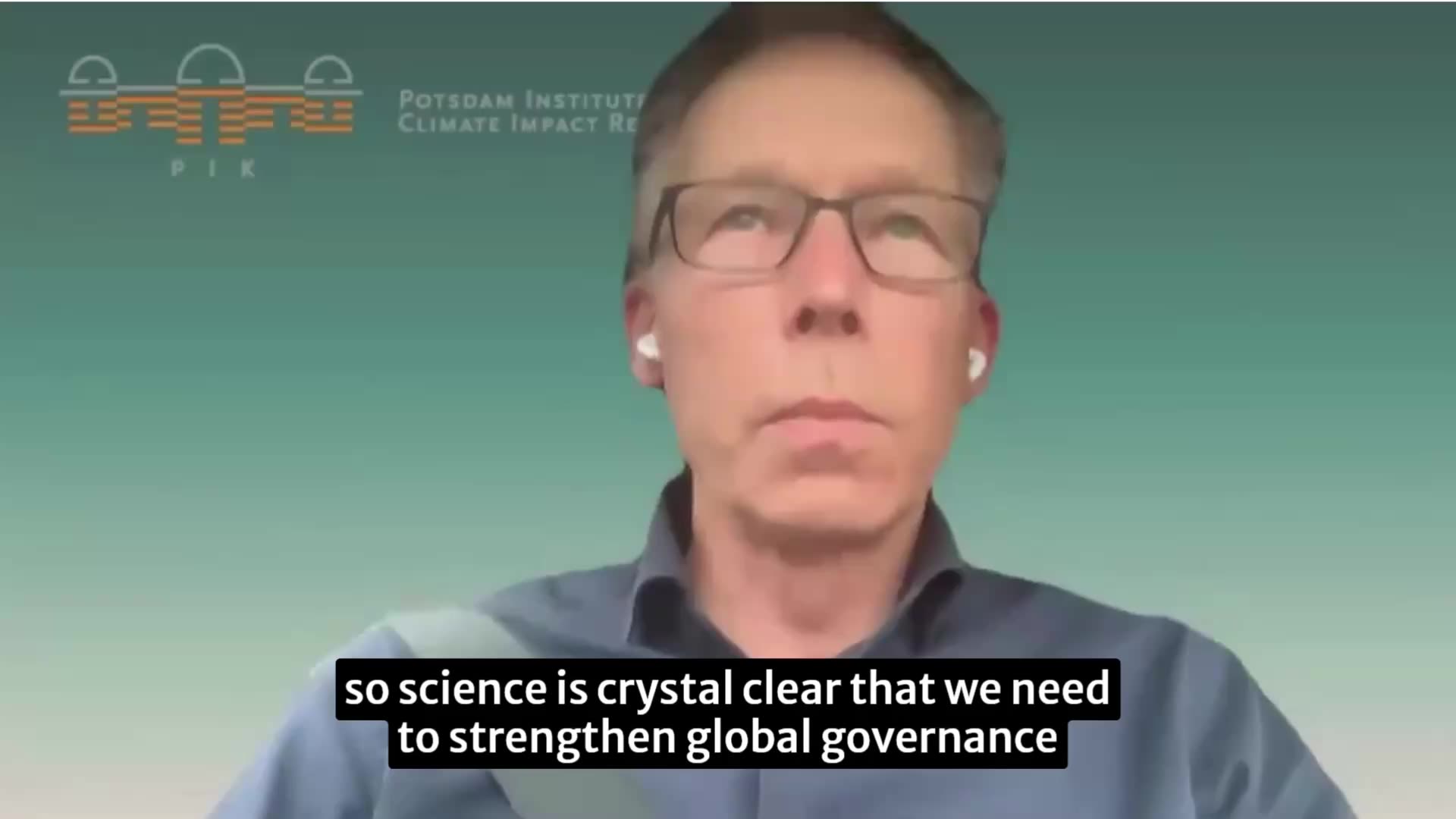
Dialogue 4 reinforced the future-risk dimension: Johan Rockstrom, Director of the Potsdam Institute for Climate Impact Research, warned that "science is crystal clear that we need to strengthen global governance more than ever" as climate, digital, and economic systems interact.
The next UN will not be built by one person.
But the next Secretary-General can decide whether the office is reactive or proactive.
In a world of blocs, spheres, and disorder, the Secretary-General’s first task is not to provide symbolic reassurance – it is to ensure that cooperation is so deeply embedded that it becomes impossible to ignore.
Disclaimer: The artworks displayed on this page were generated by artificial intelligence (AI) technology. They are not attributed to any real artist.
 Built with Shorthand