
Show Me It Works
Why delivery is becoming the new test of multilateralism.
From Commitment to Consequence
In a more fragile and fast-moving world, multilateralism is increasingly being judged by what it delivers.
People still look to the UN for coordination, legitimacy, and collective action. But they also want to know whether global commitments are moving closer to outcomes they can actually feel in their lives.
The next Secretary-General will inherit a legitimacy test that is brutally simple: show me it works.
It reflects a continued belief that multilateralism matters, but also a growing insistence that it deliver more clearly for people’s lives. Early, indicative survey insights from The World’s Toughest Job campaign show that delivery is now the clearest performance standard.
Many young people ranked "turning global agreements into real-world outcomes" first among the Secretary-General's tasks, and it ranked first overall across the full ranking. Open-text responses repeatedly mention tangible change, visible improvements, real-world results, and outcomes people can feel.
This is the shift from process legitimacy to performance legitimacy. It does not mean norms no longer matter. It means norms lose credibility when they do not travel from paper to people's lives.
Reader pathway: For readers who want to go deeper before going further, Decoded 1: The Role explains why the Secretary-General cannot simply order delivery, while Decoded 4: The Vision asks what kind of future-facing leadership can convert warnings into action.
1. The Role
What the UN Secretary-General actually does and why the role is often misunderstood.
2. The Selection
How the UN Secretary-General is chosen, and why the selection process might feel so opaque.
3. The Trade-Offs
How leadership operates inside the UN and why it doesn’t work like your government.
4. The Vision
Moments when the UN Secretary-General shaped the world and what the next tipping point could be.
Attention, Alignment, Action
Dialogue 1 captured the delivery question from several angles. Ambassador Ali Naseer Mohamed said the Secretary-General's real job is to "turn those shared principles into shared action in real time."
Later, he sharpened this idea further: drawing attention is only the opening act. The real test is whether attention leads to coordinated, coherent, system-wide action by the UN. "The SG's task," he said, "is to turn this kind of attention to alignment, and alignment into action."
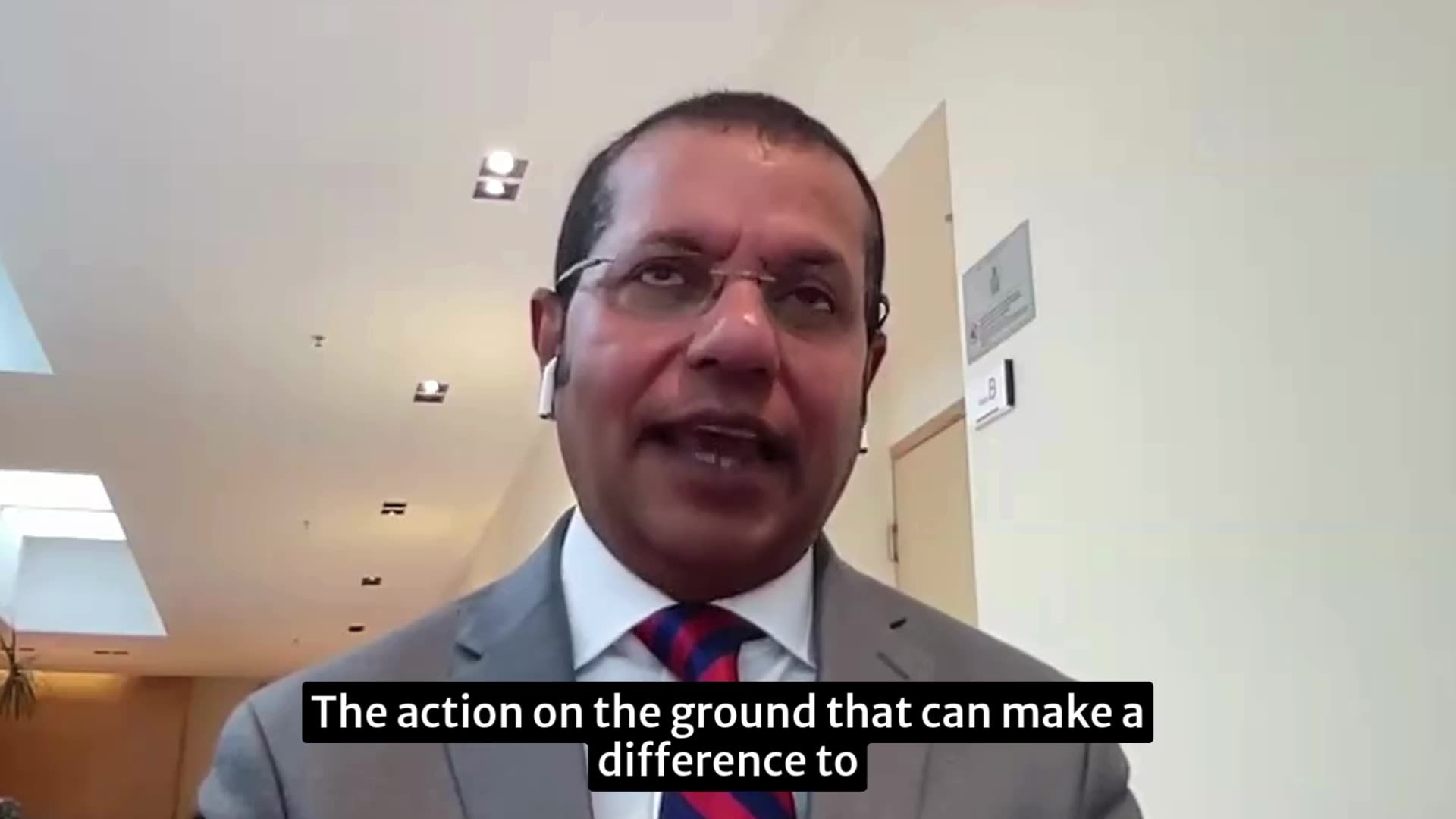
That sequence offers a useful guide for the next mandate: attention, alignment, action.
The Secretary-General has a rare platform to keep urgent issues in view and to bring the right actors together around them. The real opportunity is to turn that convening power into clearer follow-through, stronger ownership, and progress people can see and feel beyond headquarters.
This is why recent warnings about humanitarian aid cuts matter. The world knows how to prevent millions of avoidable deaths, but systems built for a more cooperative era are now operating in a harsher, more transactional one. A 21st-century humanitarianism will have to be more targeted, more country-led, more technologically capable, and more persuasive to the public who want to see results.
The next Secretary-General cannot control national aid budgets. But the office can insist that humanitarian cooperation be judged by lives protected, not simply money pledged.
Rethinking What Success Looks Like
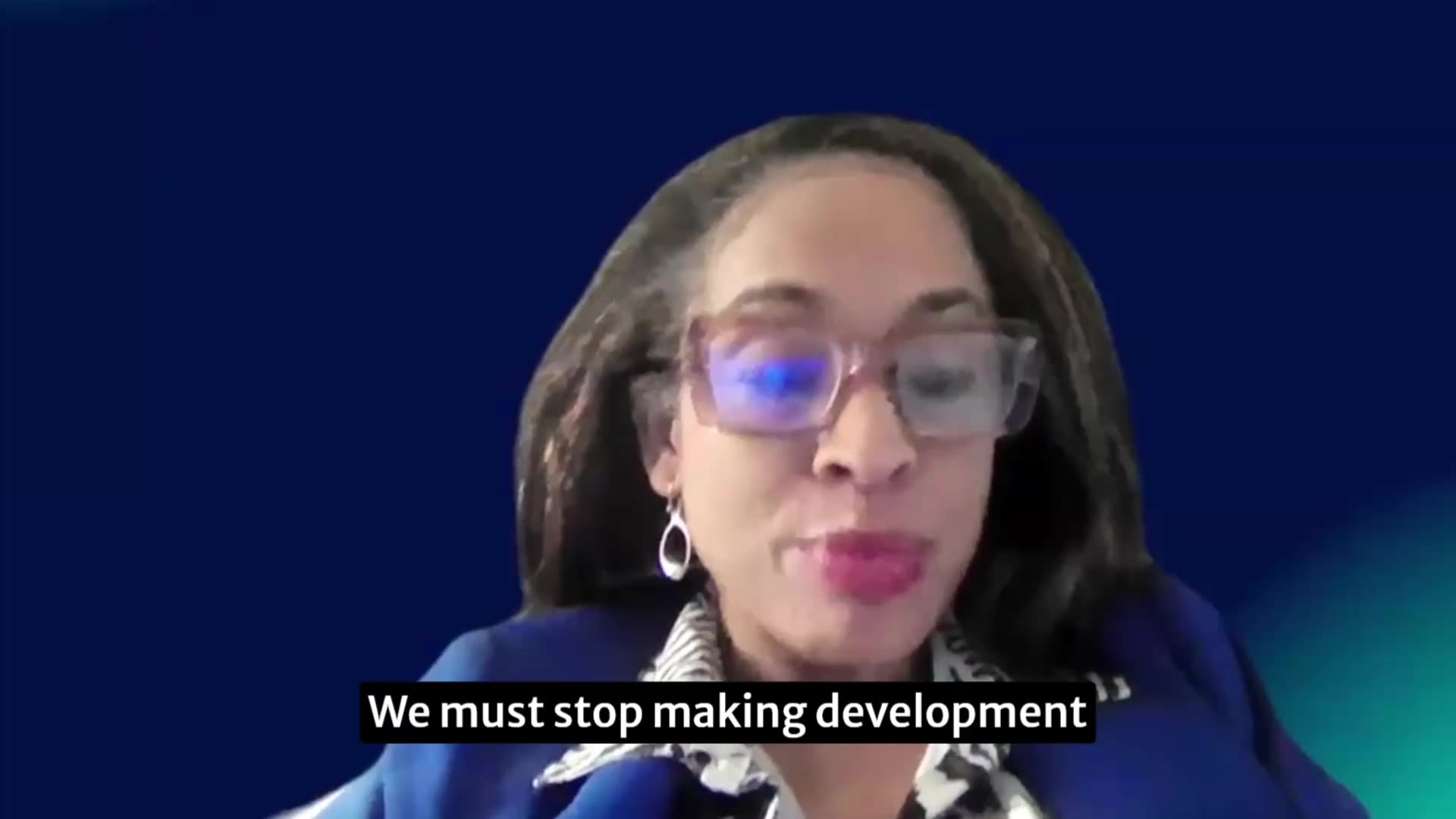
The same logic applies to development. Ndidi Okonkwo Nwuneli made the point bluntly in Dialogue 1: "We must stop making development an investment, and make development investable."
She was saying that health, education, food systems, and jobs must be understood as engines of stability and growth, not charity lines vulnerable to political mood swings. She also argued that success sometimes means designing institutions to work themselves out of jobs: "Success is when we don't need these institutions anymore."
That is a radical delivery standard. It asks the UN to measure its work by whether people and governments become more capable, not whether programs become permanent.
Delivery also means admitting when systems fail or face challenges.
In Dialogue 2, Aya Chebbi warned that institutions have learned to "administer suffering" rather than end it. That critique should not be dismissed as impatience. It is an indictment of a model that can become too comfortable with a permanent emergency. If a famine, displacement crisis, or conflict recurs every two years with the same statements and the same insufficient pledges, the system is not managing complexity. It is reproducing failure.
This does not mean the Secretary-General should promise miracles. Decoded 3 outlines how the office operates through Member States, agencies, programs and funds, partners, and political constraints. But the next Secretary-General can change the way the UN talks about success. InDialogue 3, Nudhara Yusuf underscored that the UN is a prevention-based organization:
"You don't see the wars that didn't happen."
These quiet victories matter. It should be explained better. But it cannot become an excuse for opacity. The UN needs to communicate both the crises it helped prevent and the commitments it failed to turn into action.
A Delivery-First Secretary-General
What would a delivery-first Secretary-General do?
They could begin by targeting a small number of cross-system priorities where the office can add unique value: conflict prevention, climate risk, debt and financing fairness, AI governance, youth and civic inclusion, humanitarian access, and long-term thinking.
That mirrors the Job Description's core tasks: deliver commitments, manage the system, build trust, use voice and good offices, and act for future generations. They would then build public dashboards around commitments, blockers, timelines, and follow-up.
Not everything can be quantified, but more can be made visible. They would ask the teams behind every major initiative: who owns the next step, who is funded to do it, what changes on the ground, and who can say whether it worked?
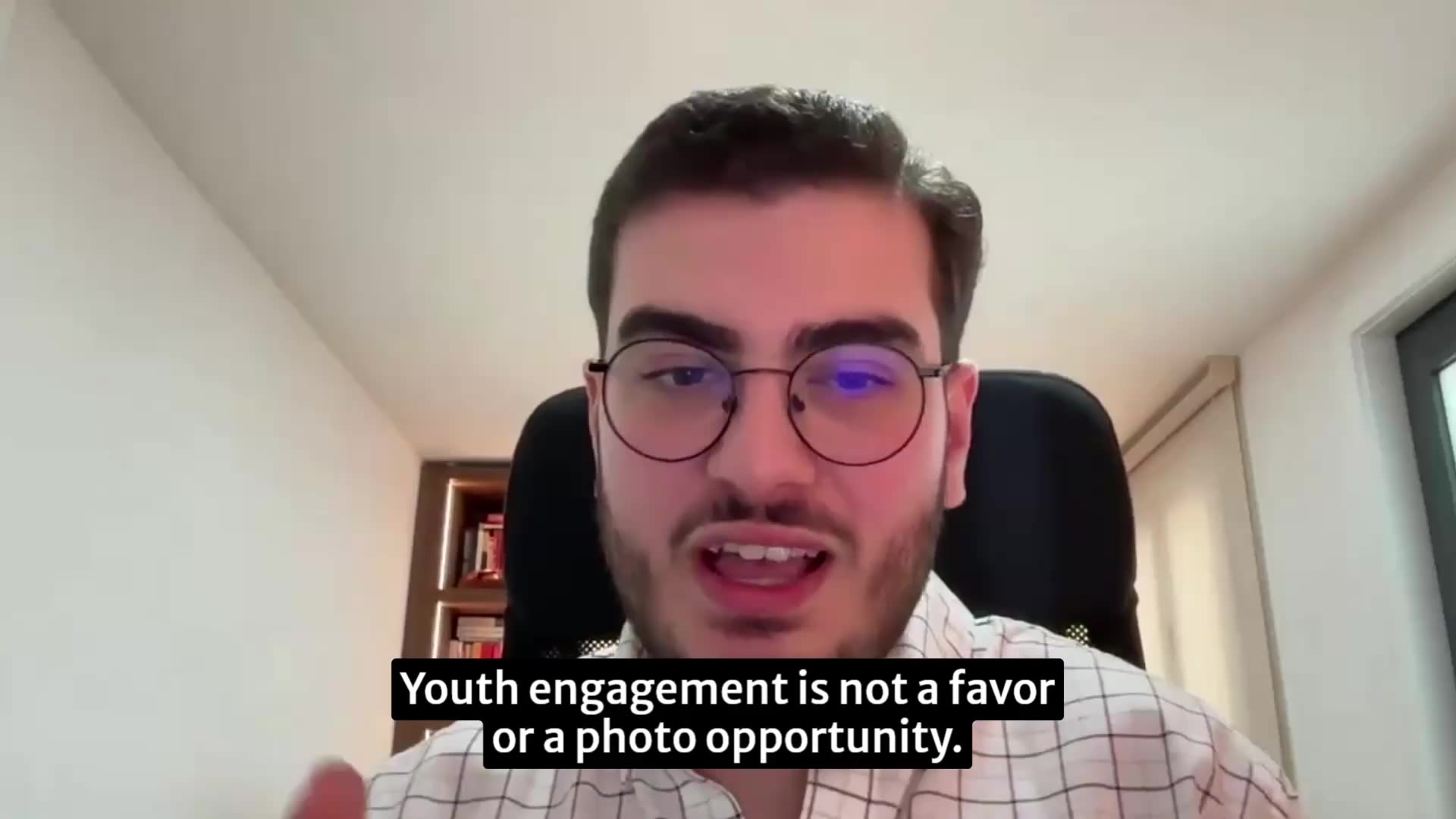
They would also make delivery more participatory. Tiago Nogueira a steering committee member of Global Student Forum, argued in Dialogue 1 that youth recommendations produced around UN moments should not disappear after meetings. The UN should show how ideas are used, or explain why they are not. That same principle should apply more broadly. Communities affected by crises should not be treated only as beneficiaries of delivery, but as judges of whether delivery has happened and partners in strengthening impact.
The early survey results suggest young people understand the complexity. They want the Secretary-General to manage current crises and prepare for future risks, while simultaneously rebalancing power. They prefer adaptive and bold leadership, but they also care about integrity, human rights, and the Charter. They are not asking for the UN to become a startup or a think tank. They are asking it to become serious about consequences.
The next Secretary-General should take that seriously from day one. The office should speak clearly on issues that matter for the world. It should warn early. It should convene continuously and strategically. But the line between relevance and ritual will be whether those actions move something real.
Multilateralism will be saved, strengthened, and sustained when people can point to a decision, a delivery mechanism, a protected school, a financed clinic, a prevented escalation, a safer activist, a fairer loan, or a community kept alive and say:this is what cooperation did.
Disclaimer: The artworks displayed on this page were generated by artificial intelligence (AI) technology. They are not attributed to any real artist.
 Built with Shorthand