
The Cute Economy
Labubu’s Worldwide Run
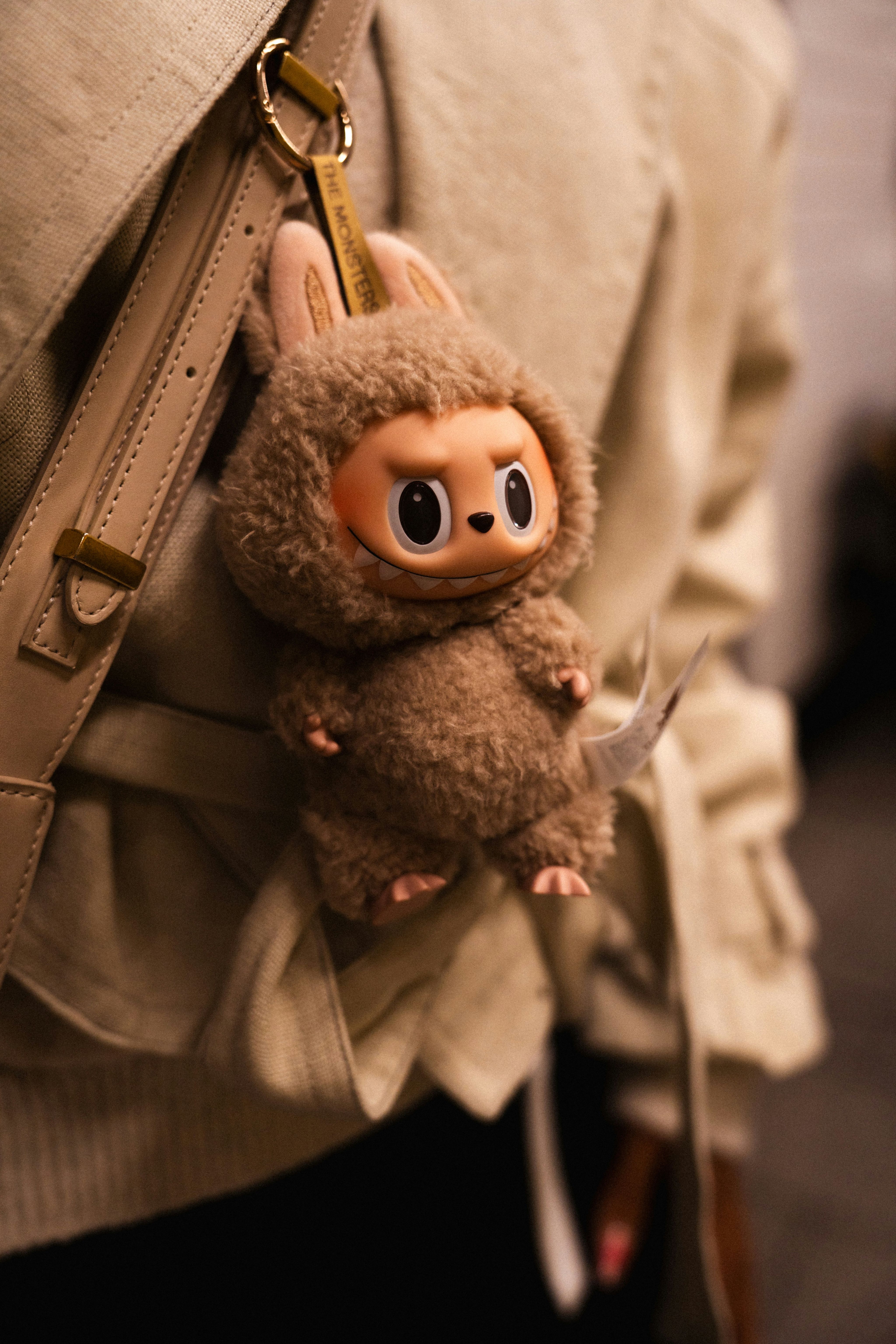

The year’s surprise star isn’t a singer or politician – it’s Labubu, a plush toy with charming eyes and rabbit ears.
Labubu’s “ugly-cute” appeal sparked a $1 billion craze in 2025, boosting its creator, China’s Pop Mart, into the spotlight. These toys, inspired by Dutch artist Kasing Lung’s storybooks, are now outselling Barbie dolls, flying off shelves from Beijing to New York. In fact, Pop Mart’s founder became one of China’s richest young billionaires thanks to Labubu-mania.
Labubu stands out because it merges culture, fashion, and geopolitics. The figurine has been spotted front-row at Milan Fashion Week and in pop-up shops at the Louvre. Celebrities are fans too: tennis star Naomi Osaka clips a Labubu charm on her bag, and K-pop's Lisa (from BLACKPINK) shows one off on social media. Pop icons like Lady Gaga even dressed as Labubu on stage! In London, collectors fought over the last Labubu in stores, while in Thailand, the tourism board named Labubu an official “tourism ambassador.”
However, the hype has an economic flip side. Labubu’s “blind box” sales model (where the design is a surprise) fueled a booming market. A rare Labubu sold for over $200,000 at a Beijing auction in June. Pop Mart’s global revenue surged 200% in the first half of 2025, with the company’s valuation hitting $46 billion – ranking just below Disney in character merchandise. Analysts call this the “cute economy,” where adorable collectibles drive big business.
Labubu’s rise also reflects Asia’s growing cultural influence. In a turbulent world, this playful toy has united fans across languages and borders, showing that sometimes global diplomacy takes on a fun, smiling face.

 Built with Shorthand