
K-Pop’s Soft Power
K-Pop Demon Hunters
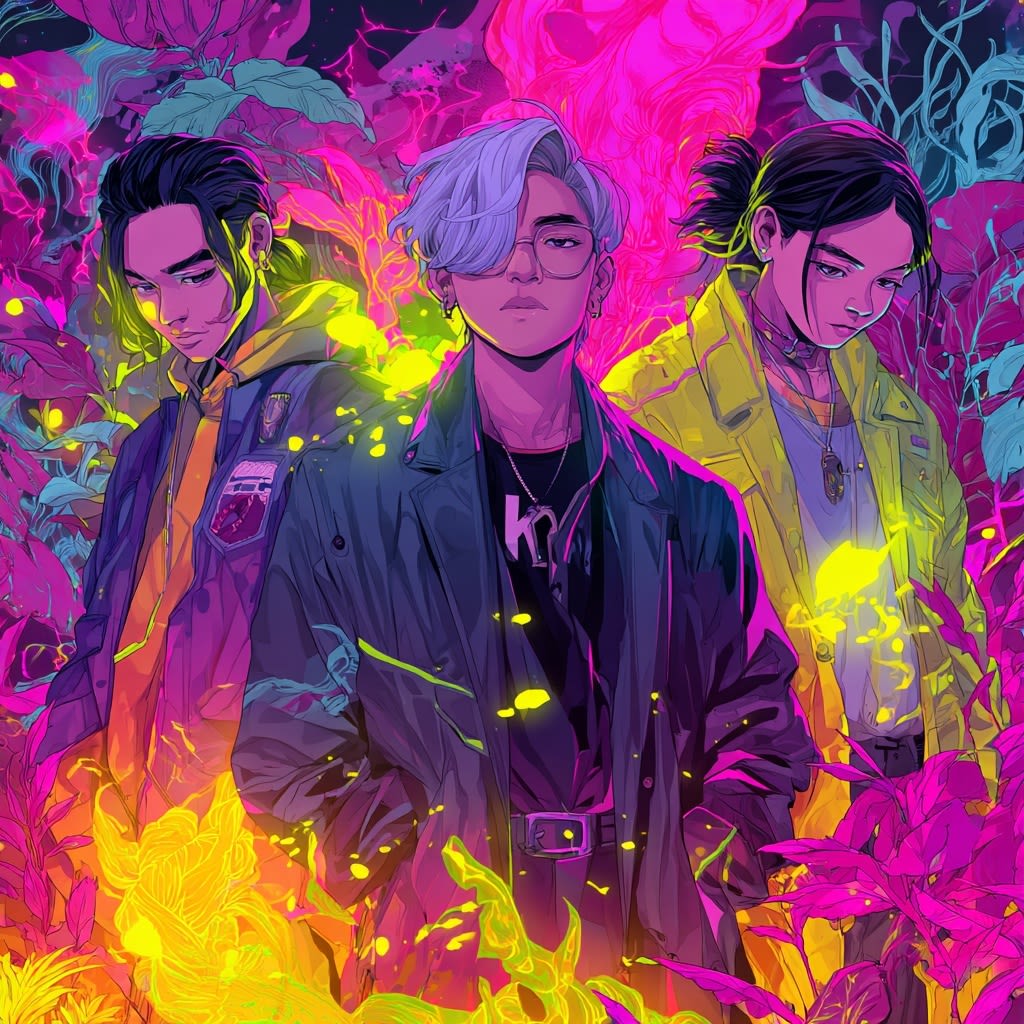

When K-Pop Demon Hunters debuted on Netflix in June 2025, many were surprised. An animated musical featuring idol singers fighting demons turned into a global sensation.
The film gained huge popularity, racking up 949 million minutes watched just in July. Its catchy K-pop soundtrack placed several songs in the Billboard Top 10. This made it the first all-women group to reach No. 1 since Destiny’s Child's "Bootylicious" in August 2001. This pop culture hit has more than just style. It showcases South Korea's increasing "soft power" in the world.
The movie's success came as part of the international wave of Korean entertainment known as Hallyu. By 2024, there were over 225 million K-culture fans worldwide. K-Pop Demon Hunters tapped into this eager audience. Its creators mirrored real K-pop marketing by creating mystery around the fake girl group “Huntrix.” They also brought in star producers like Teddy Park for authentic songs. The result? A film that felt like a true K-pop event, drawing in viewers from different cultures.
Seoul's policymakers took notice. Newly elected President Lee Jae-myung even spoke with the film’s director on air, pledging to make Korea one of the top five cultural exporters. Indeed, Hallyu exports tripled in the last decade, reaching $9.8 billion in 2024. Hits like K-Pop Demon Hunters shape cultures and economies. Countries from Latin America to the Middle East show how K-pop and films enhance belonging and cultural understanding.
Fans are simply enjoying the ride. The film’s quick visuals and strong message connect well with Gen Z. K-Pop Demon Hunters shows how pop culture spreads joy across borders and gets everyone dancing.

 Built with Shorthand