

From Vision to Action
Young leaders shaping India’s response to a changing world


79 years ago, our ancestors dreamed of an India built with conviction and hope. Today we inherit their dream as the next generation—not to preserve it in amber, but to reimagine it for a new century.
It is our turn to dream for a Viksit Bharat that will be 100 years old in 2047. We know the path ahead is not simple.
We live in a world that feels less predictable than ever. Floods sweep away villages one year, droughts parch them the next. Jobs vanish as fast as they are created. Cities grow, but so do divides. Algorithms now shape what we see, hear, and even believe. Geopolitical storms ripple through our borders, often without warning. These disruptions shape our daily lives.
We choose to see every global disruption as a doorway. We believe that if we act with courage and foresight, every challenge can spark opportunity, every crisis can give rise to creativity, and every voice can carry solutions.
With 734 million citizens under 30, nearly one in ten young people alive today is Indian.
As the world’s largest democracy and a G20 leader, India has both the responsibility and opportunity to champion the priorities of young people and young countries.
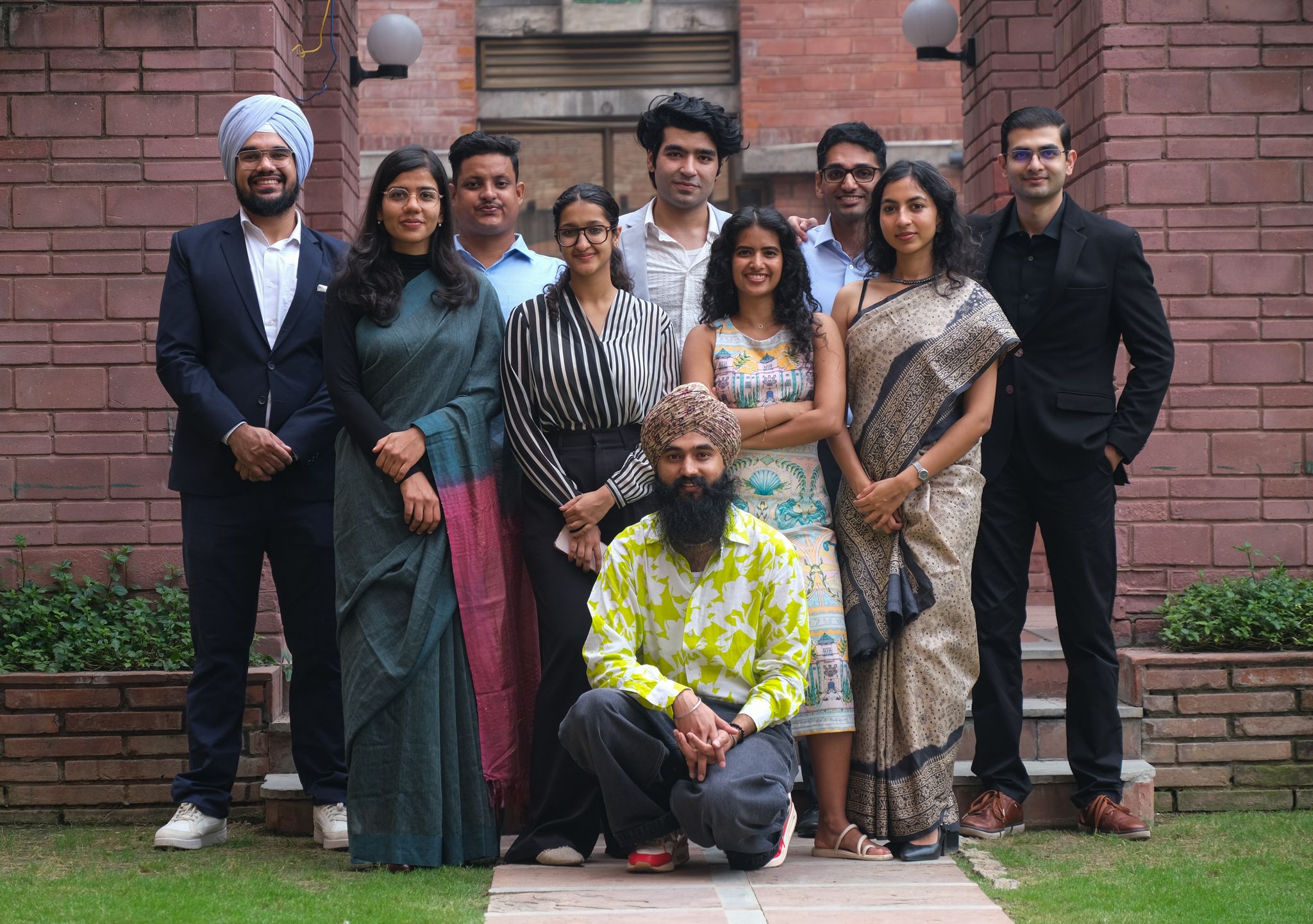
And over the past two years, the Next Generation India Fellows – with the support of the United Nations Foundation and the Council On Energy, Environment and Water (CEEW) – have been working towards seizing this moment.
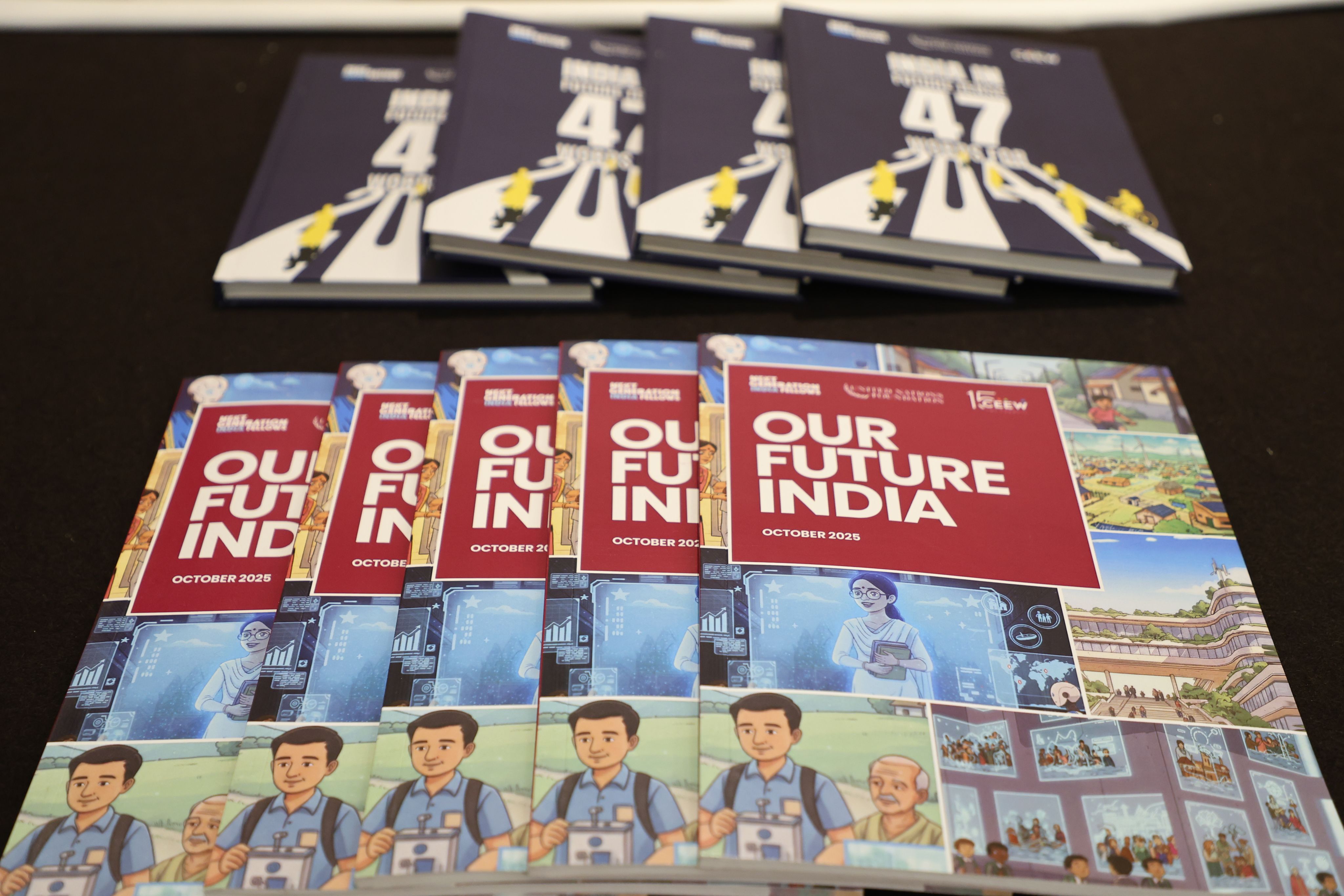
This work culminated in the Our Future India. This report is a youth-informed roadmap that explores India@100: a developed, inclusive, future-ready democracy, aligned with the national ambition of Viksit Bharat@2047.





How we did it
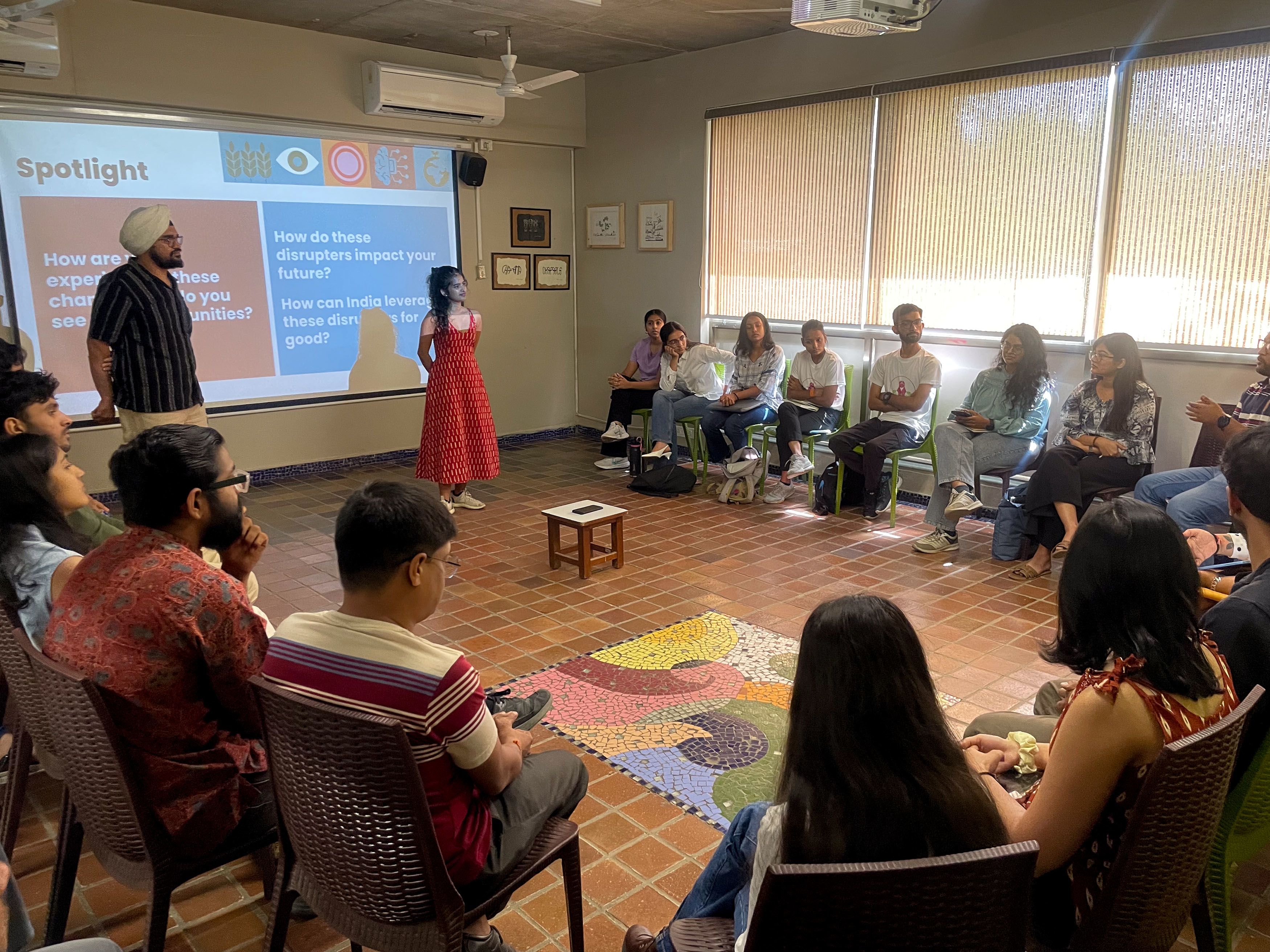
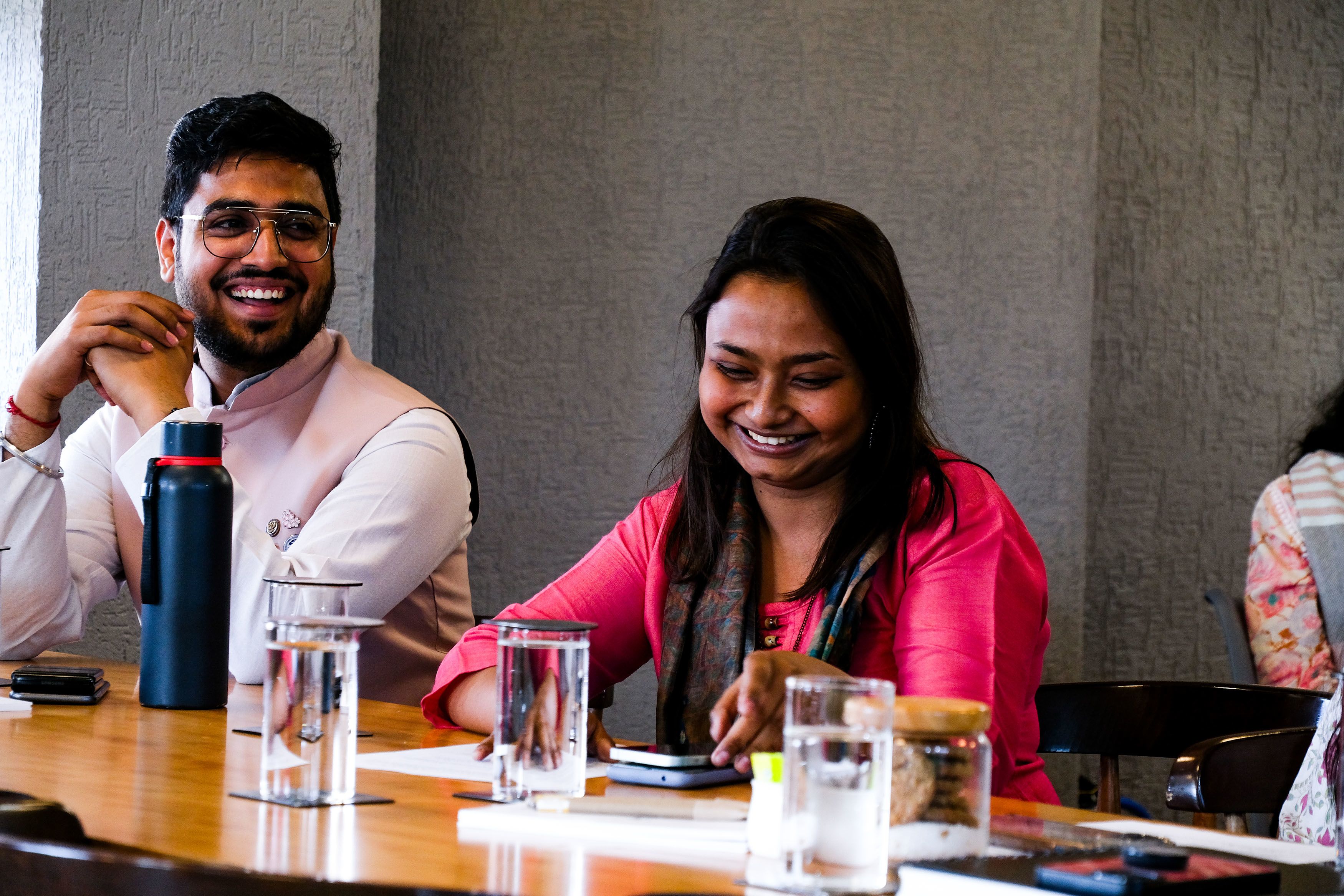
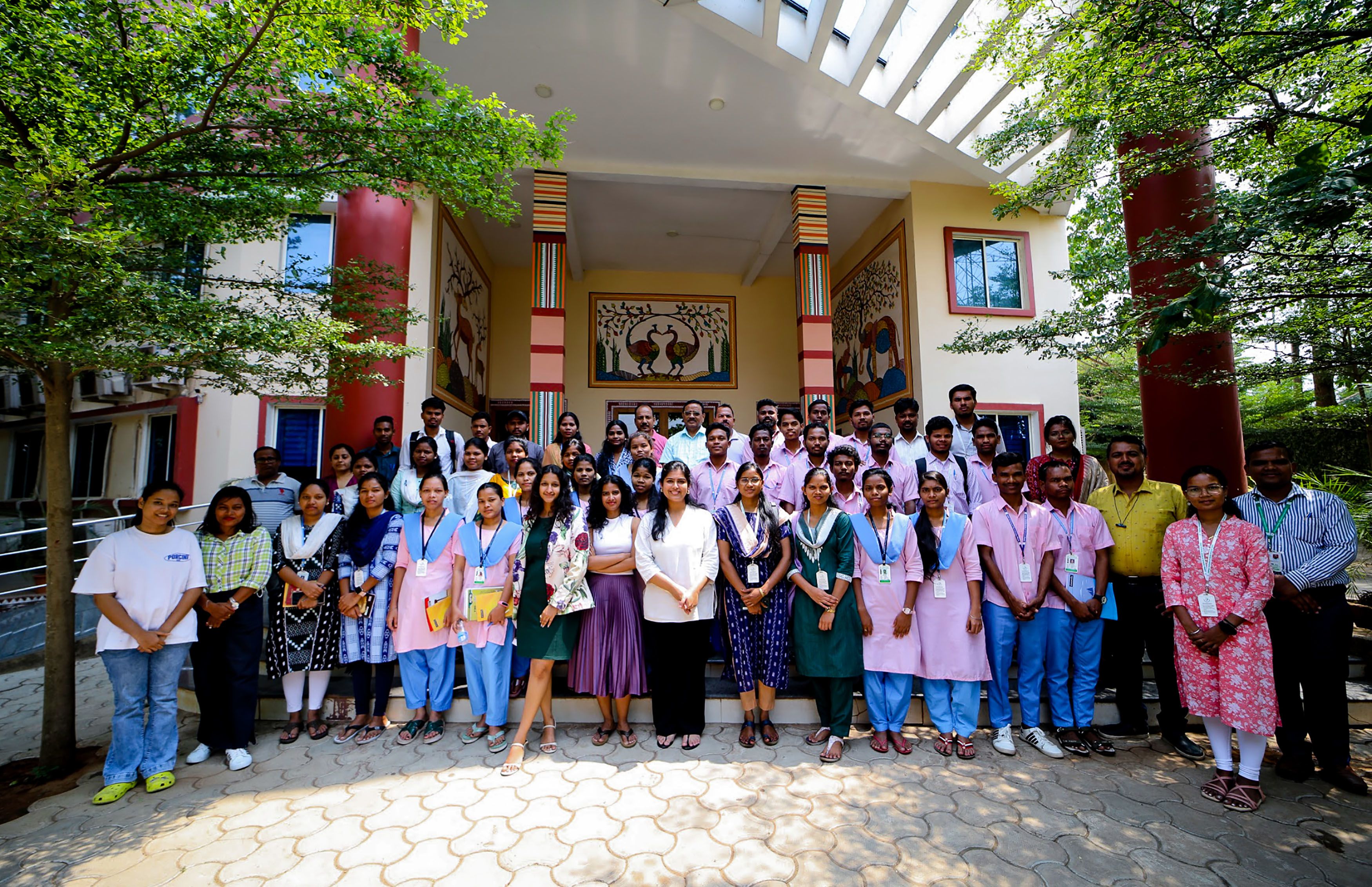
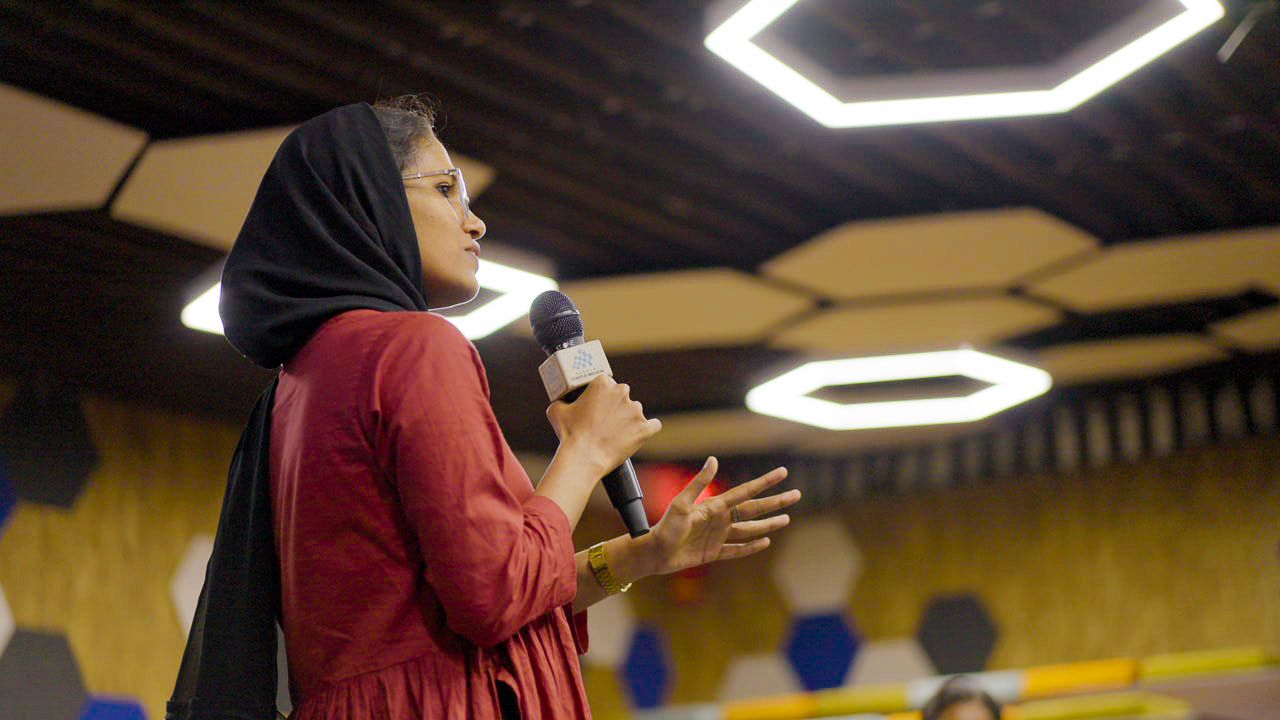
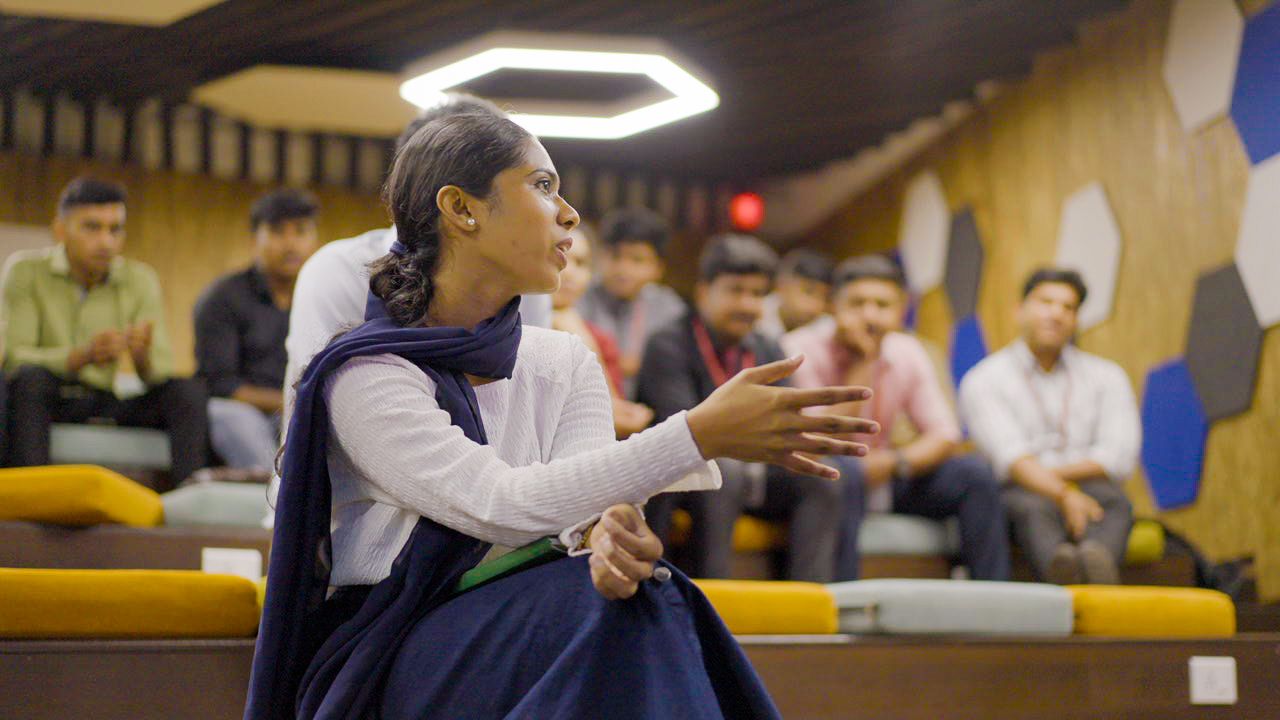
The Next Generation Fellows engaged over 1,850 voices from across India and its diaspora through dialogues, surveys and expert interviews to build their forward-looking roadmap.
1,200 respondents
An intergenerational survey captured a gender-balanced cohort of 51% female and 49% male respondents.
600 Young leaders
attended in-person youth consultations in 7 cities–plus 4 across the globe for the Indian diaspora.
63 Expert interviews
with academics, industry leaders and ambassadors helped shape the report.
300+ Sources
were reviewed, including policy reports, peer-reviewed articles, government data and media coverage.


The Next Generation India Fellows also ran a global design challenge that expresses the future of India through art, design, writing, or performance. Pictured: One of the winning entries to the Future Visions of India Design Challenge, by Pranav Sood
The Next Generation India Fellows also ran a global design challenge that expresses the future of India through art, design, writing, or performance. Pictured: One of the winning entries to the Future Visions of India Design Challenge, by Pranav Sood
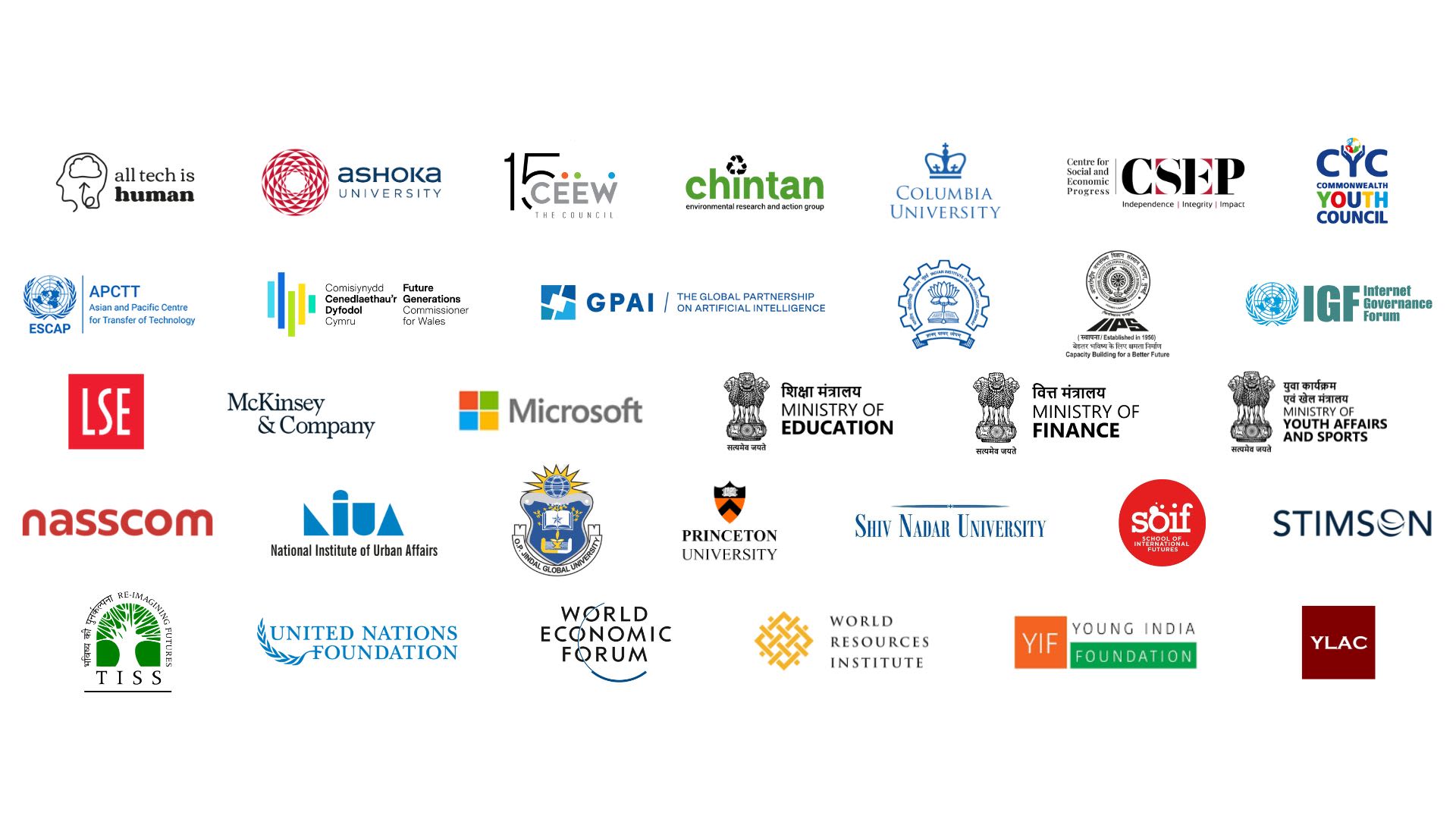
The Next Generation India Fellows consulted over 60 experts across more than 30 civil society, diaspora, academia and government institutions.
The Next Generation India Fellows consulted over 60 experts across more than 30 civil society, diaspora, academia and government institutions.
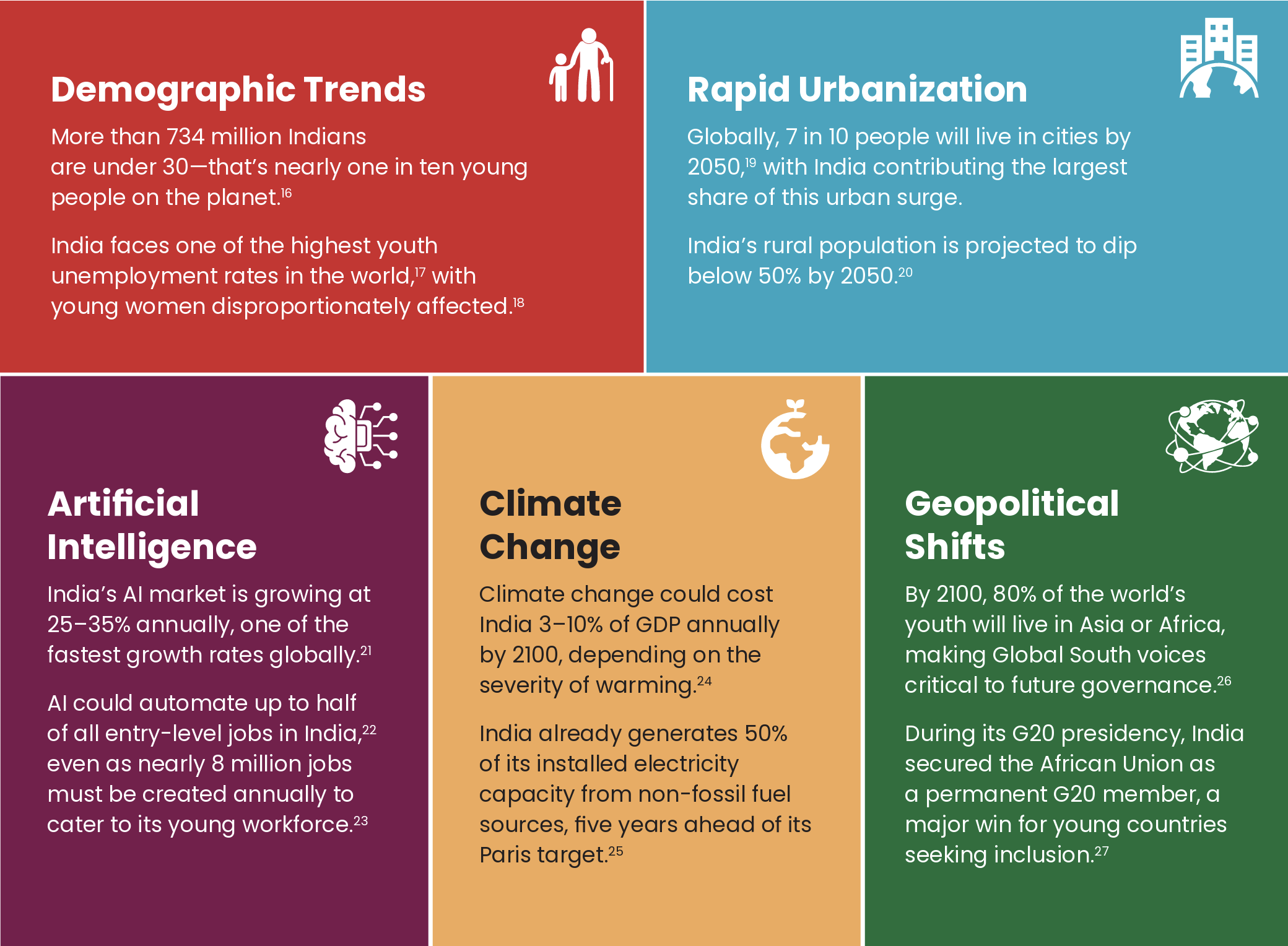
The Fellows’ strategy centers on future-focused and youth-informed responses to five disruptive mega-trends.
While acknowledging the risks these ‘Disruptors’ bring with them, the report considers how, with foresight and innovation, they can be reshaped as opportunities to disrupt 21st-century India for the better.
Get to know each Disruptor in the boxes below. Or, for more detail, head to our webpage:

For each of these Disruptors, the study proposes pathways made up of ‘Quick Wins’ (solutions that are implementable in the near future) and ‘Moonshots’ (solutions that require further experimentation and consensus). These pathways are designed as concrete actions for policymakers – and communities – to collaboratively secure India’s future.
Across Disruptors, three institutional innovations can act as catalysts to unlock Indian youth’s potential and future-proof India’s development journey
- A Ministry of Future Affairs to embed long-range foresight in policy;
- A Youth Advisory Council to the Prime Minister to hardwire youth voices into highest-level decision-making; and
- A Mission LiFE Youth Ambassador Programme to mobilise young Indians as change agents for sustainable living.


The Launch
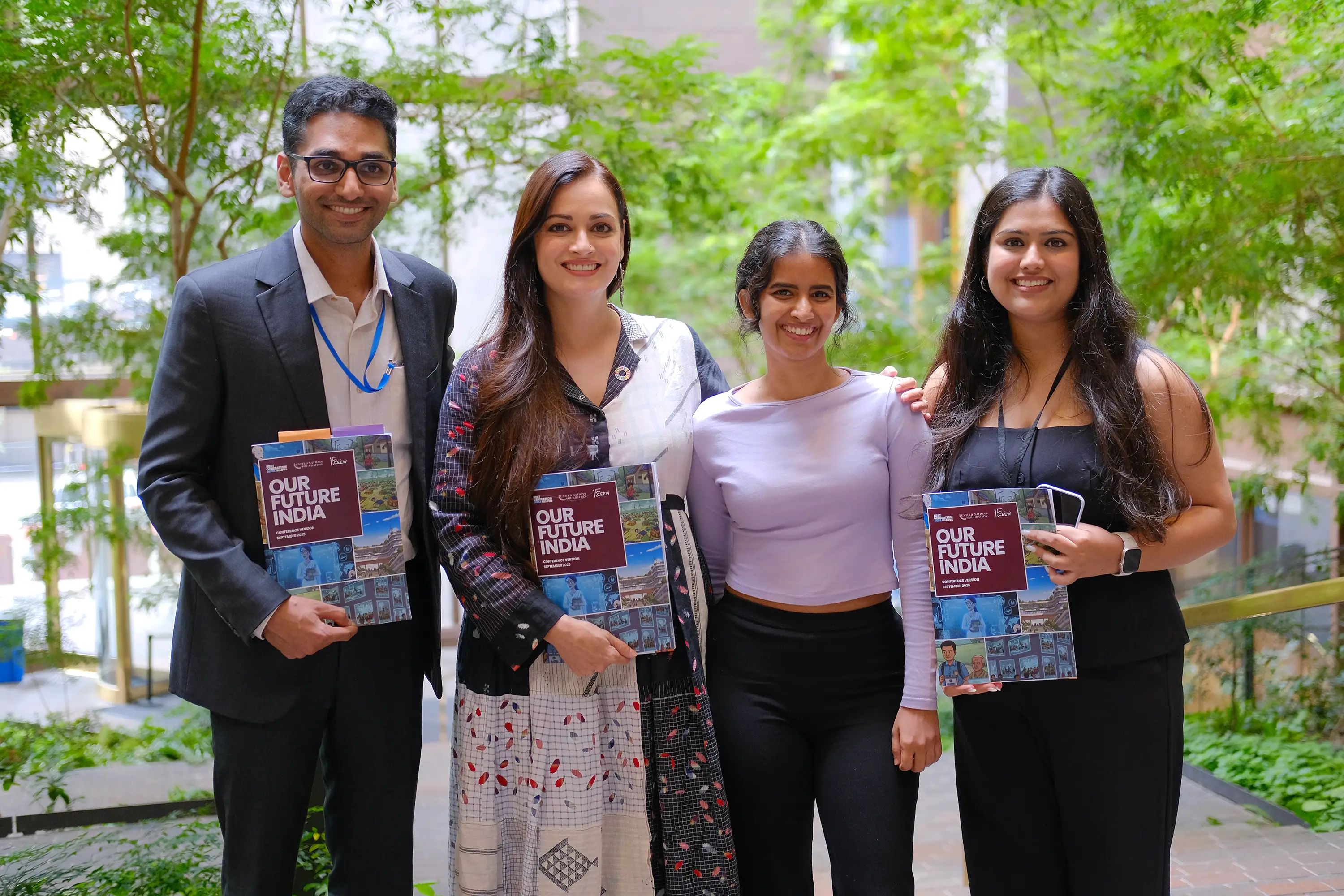
A conference version of the report was soft launched during the 80th United Nations General Assembly High-Level Week in New York through a series of targeted bilaterals and closed-door dialogues with the following partners: Fordham University, Clinton Global Initiative, Stimson Center, UNDP, and Ford Foundation.
Separate conversations were held with Dia Mirza and Sanjana Sanghi, two of India’s most influential public figures on sustainability, youth, and culture, to explore how the report’s ideas could travel beyond policy circles and reach wider public and student audiences.
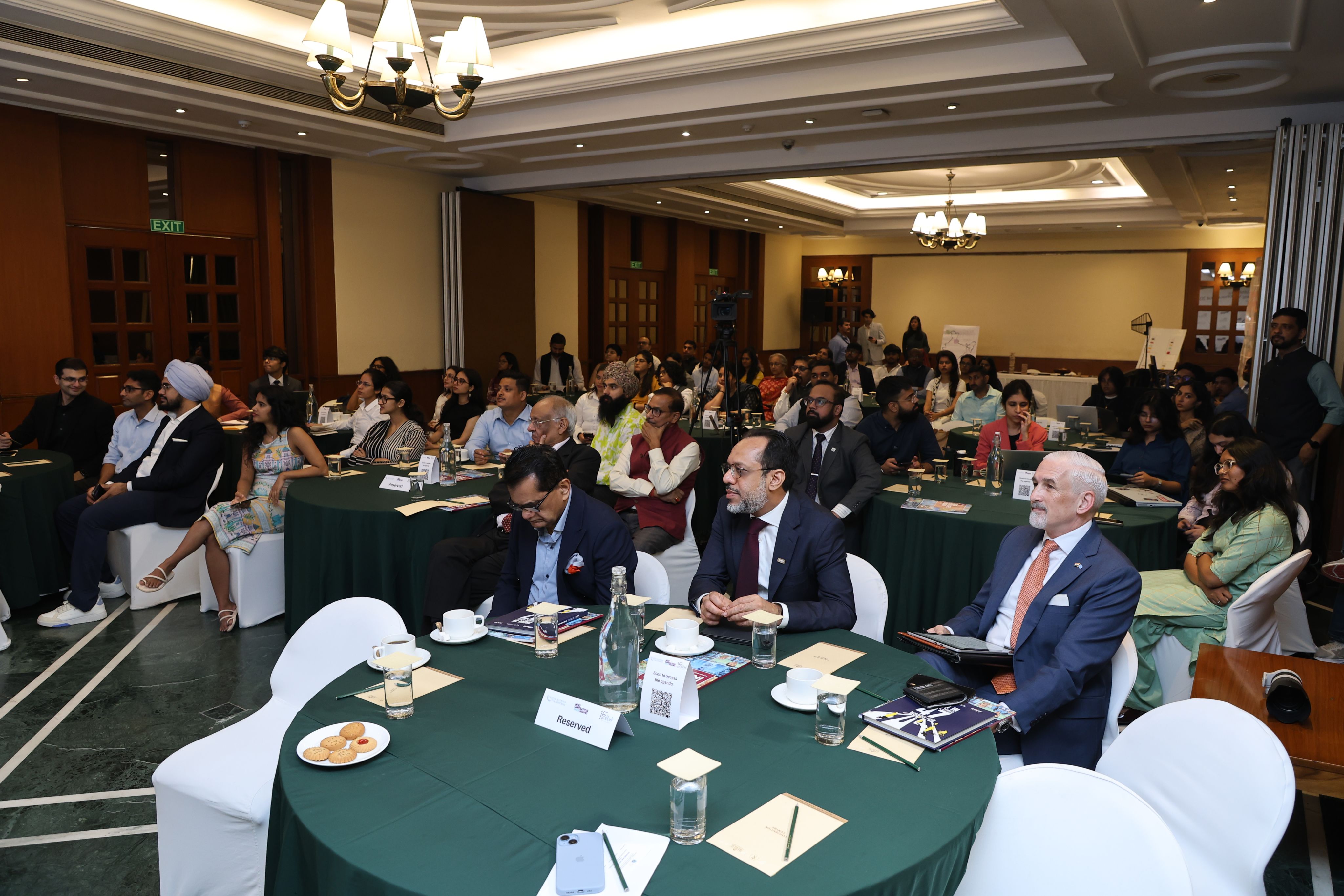
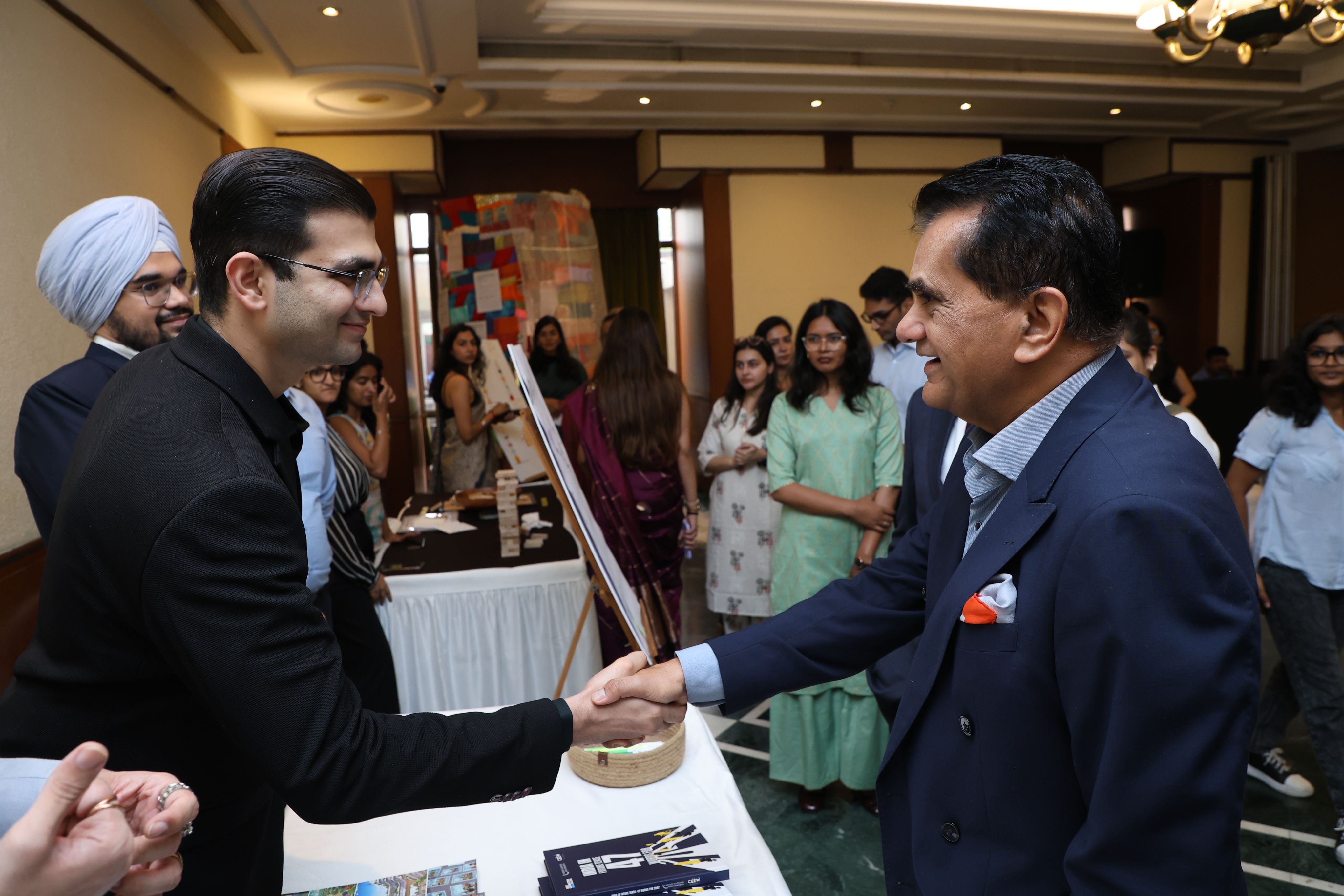
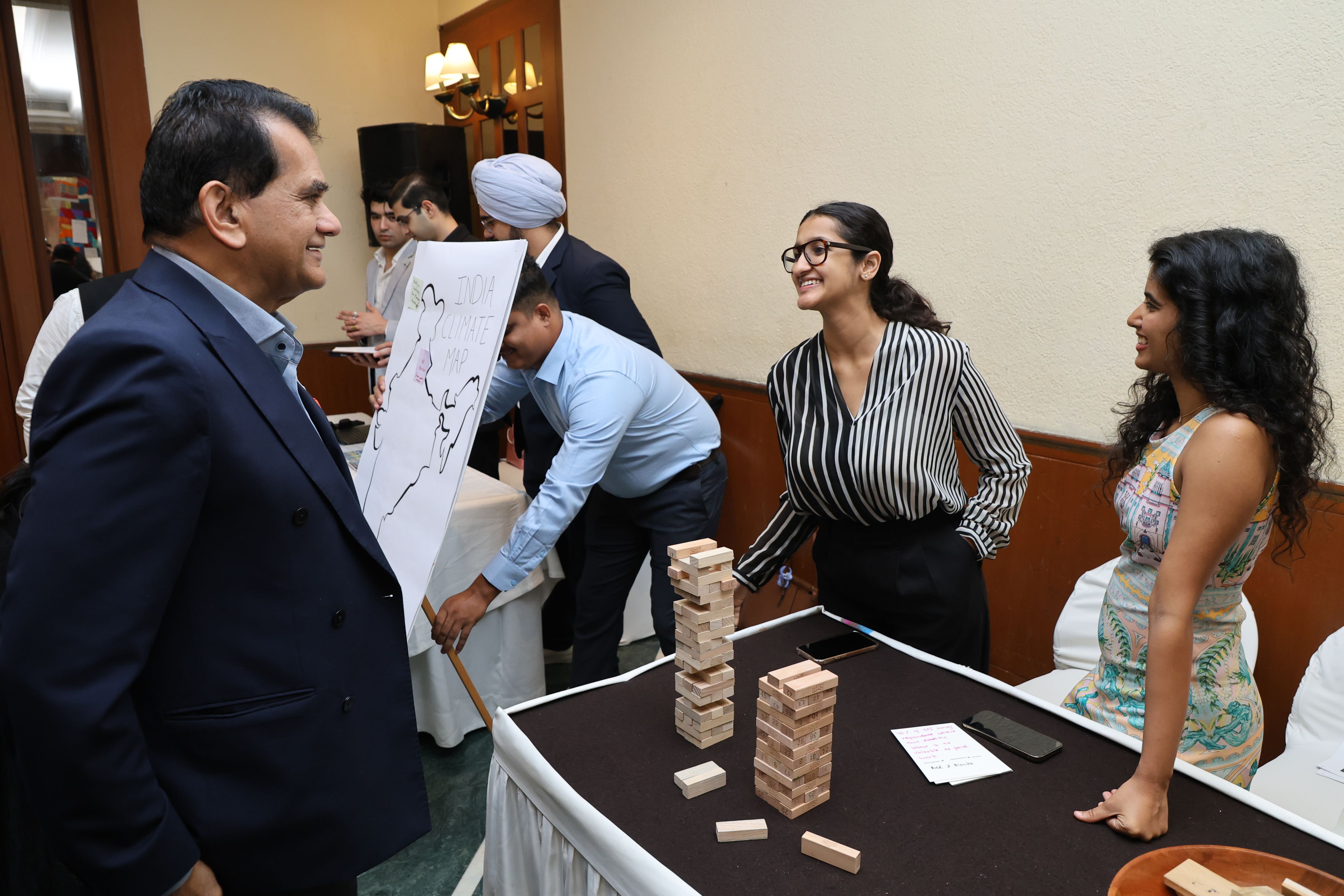
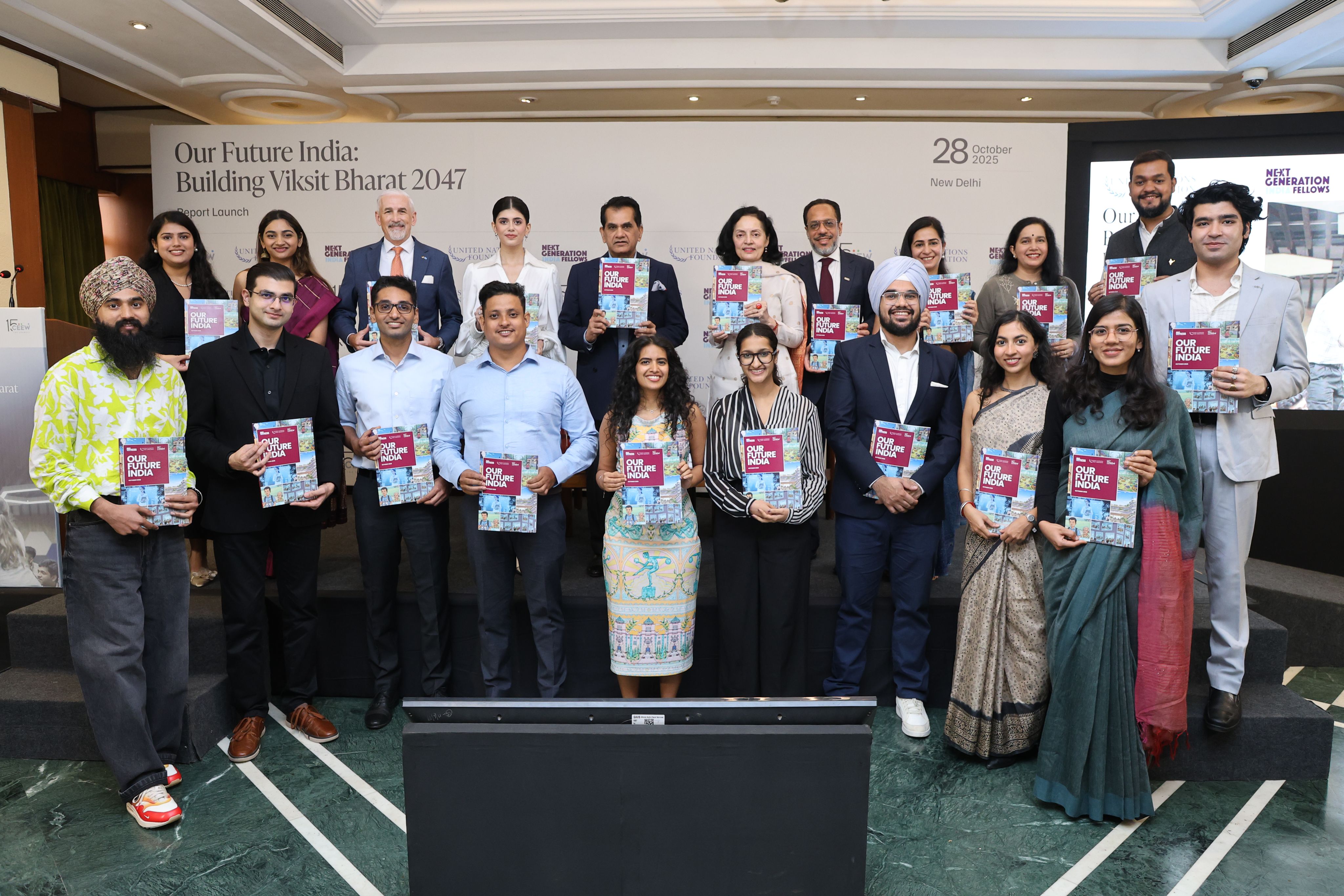
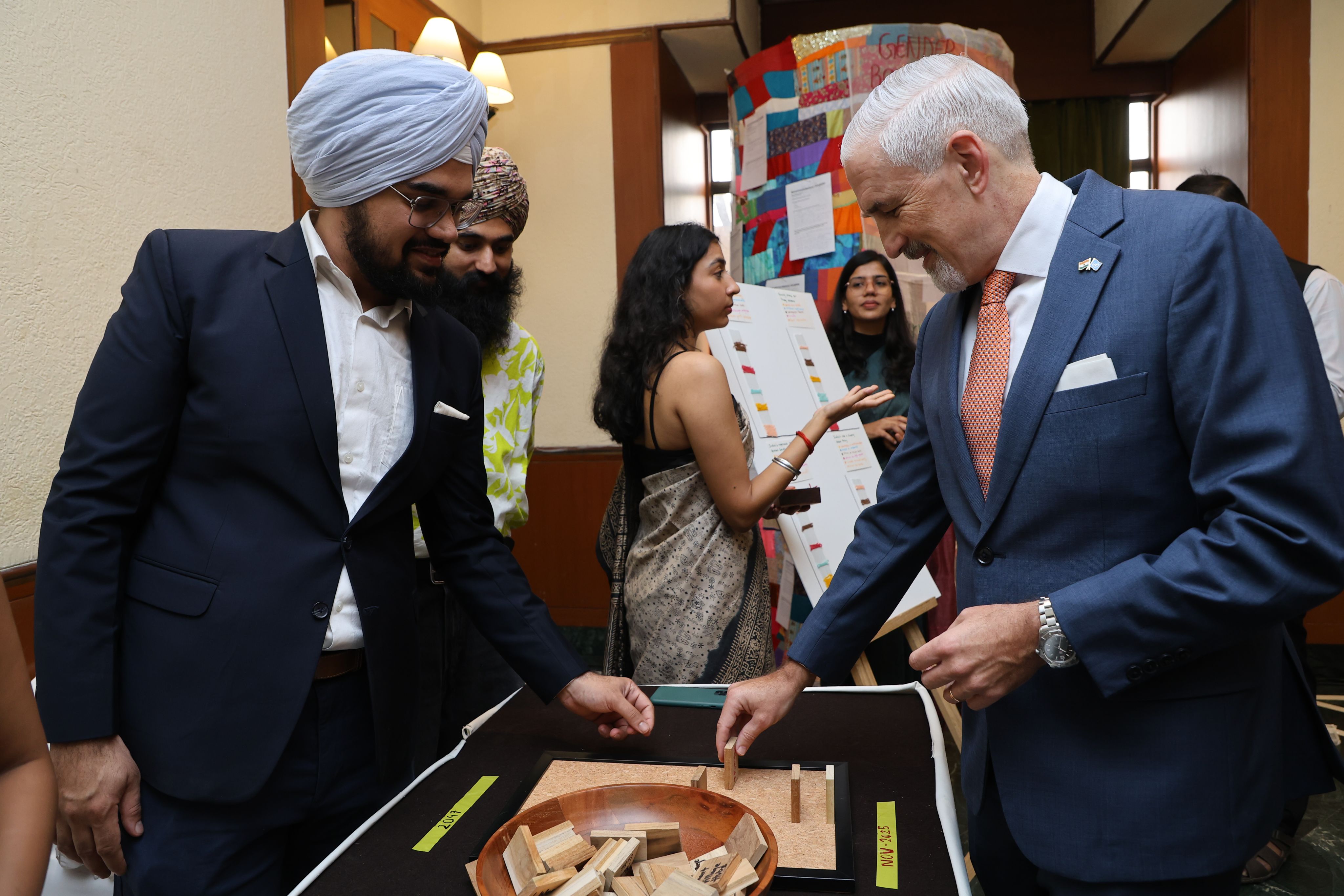
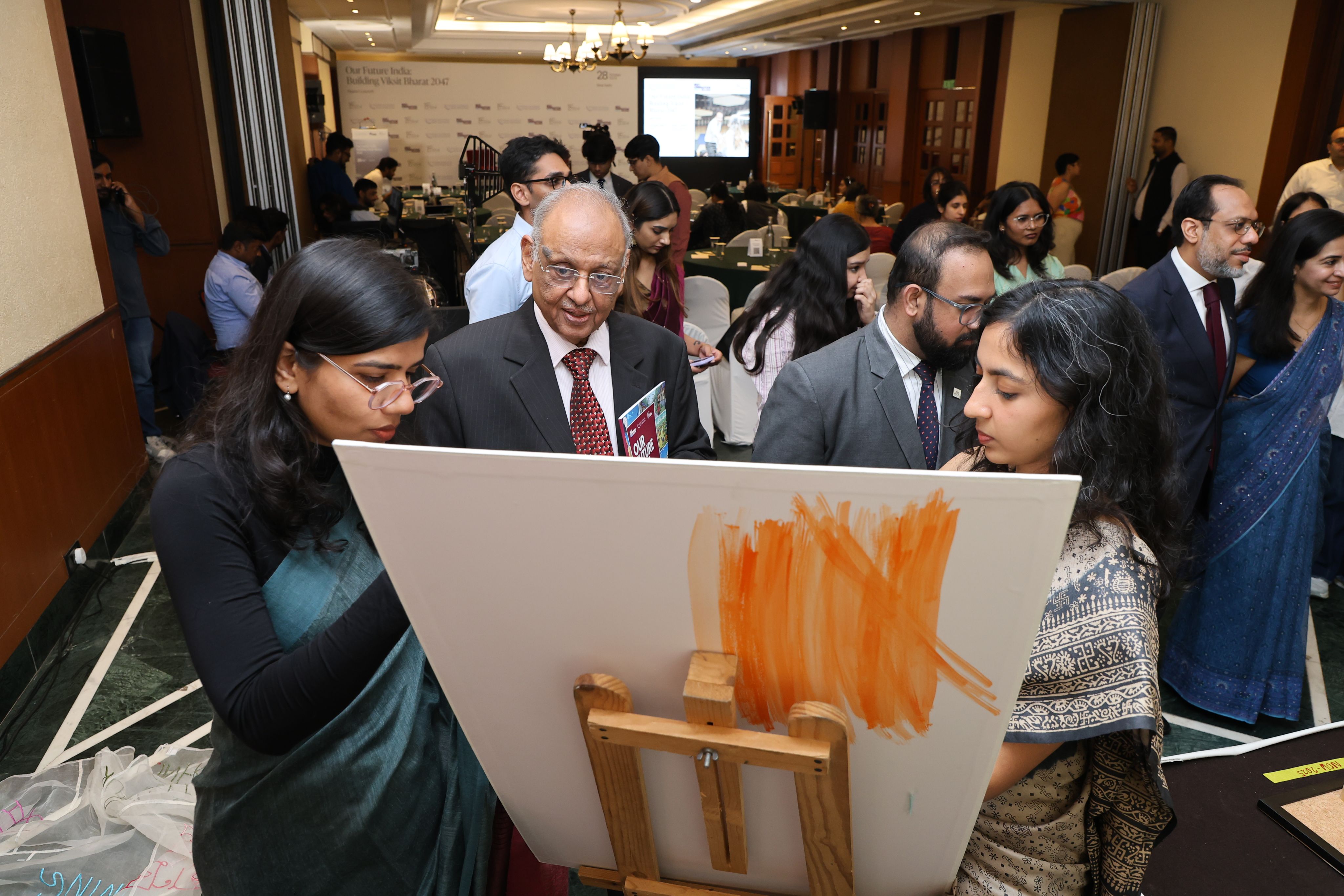
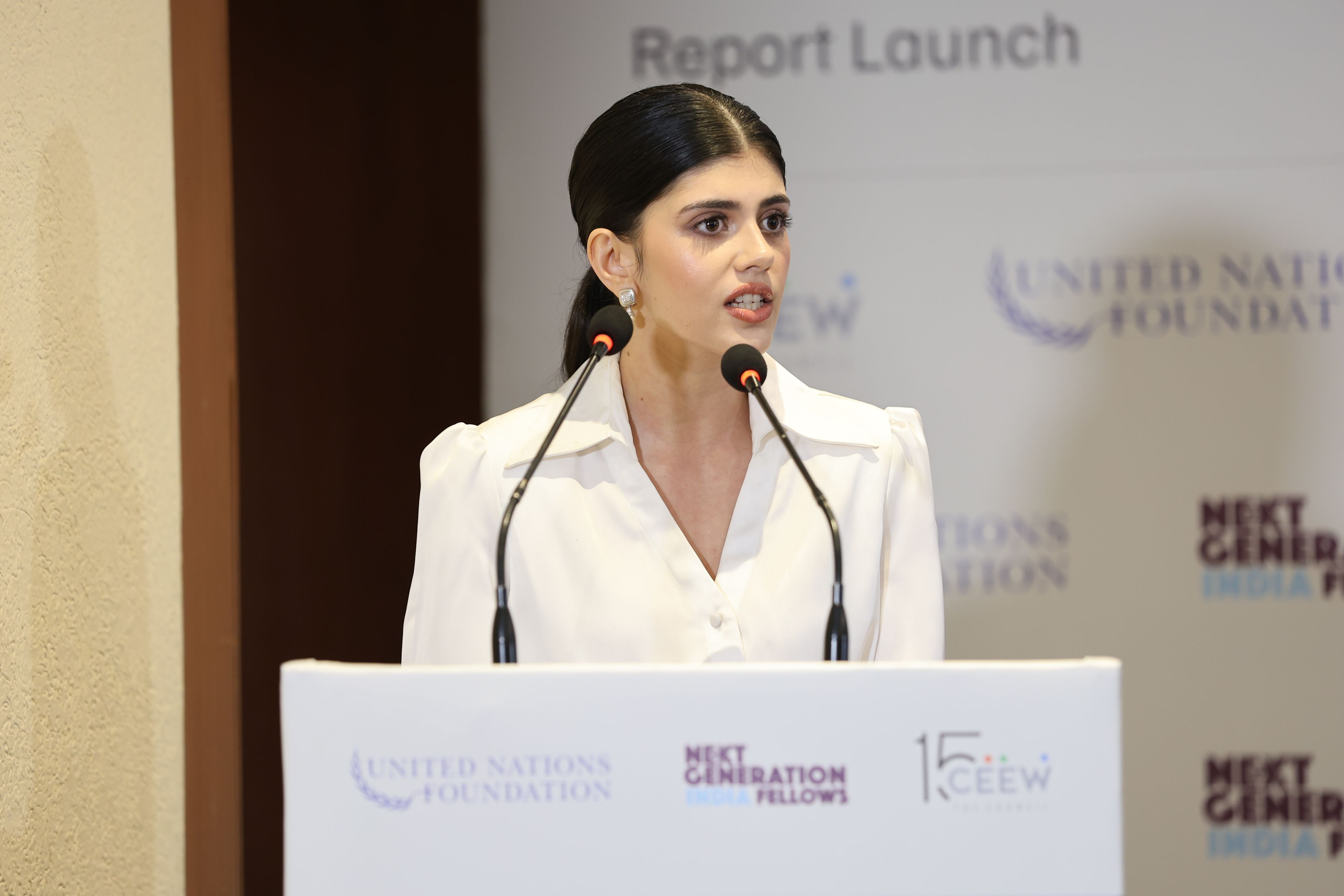
Shortly after, a public, nationally anchored launch took place in New Delhi on 28 October, marking its homecoming. At this high-level gathering, fellows, policymakers, and partners gathered to celebrate a shared vision for Viksit Bharat 2047.
Guests included Shri Amitabh Kant, former G20 Sherpa and Next Generation India Advisor; Shombi Sharp, United Nations Resident Coordinator; Dr Arunabha Ghosh, CEO of CEEW and COP30 Special Envoy for South Asia; H.E. Ruchira Kamboj, Former Ambassador of India to the UN; and Sanjana Sanghi, UNDP India Youth Champion and actor; among others.
The event featured youth-led art by Next Generation India Fellow Gurjeet Singh and a live classical performance by young musicians, symbolising India’s youthful, creative and cultural energy.


About the Next Generation India Fellows
Next Generation Fellows is an initiative of United Nations Foundation’s Our Future Agenda program that equips young leaders to navigate global institutions and to actively lead and influence policies at local, regional, and international levels.
The India chapter of this initiative is developed and implemented in strategic partnership with the Council on Energy, Environment and Water (CEEW). Launched in line with India's G20 Presidency, the fellowship puts young people at the forefront of shaping the country's future and solving the world's most pressing challenges.
 Built with Shorthand