
Cracking the UN Code
15 pieces of jargon you might have heard – and what they mean.


Global decisions affect everyday lives, yet the language used to discuss them is often packed with acronyms and technical terms.
To help, here are 15 pieces of UN jargon that show up often in policy conversations, explained in clear, everyday language:
UNGA
Short for United Nations General Assembly
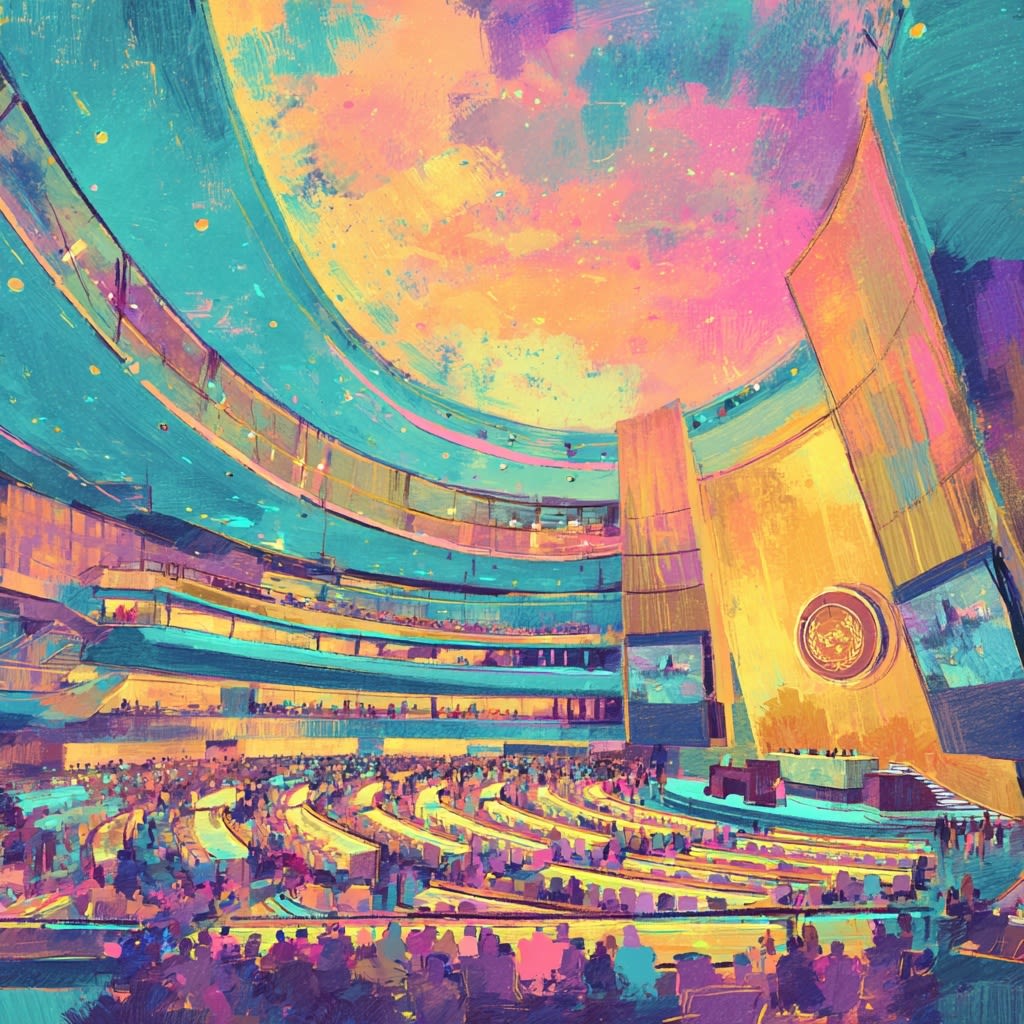
The General Assembly is where all countries meet to discuss global issues like climate change, human rights, and peace. Each of the 193 member countries gets an equal vote, regardless of size. They can suggest new ideas, which smaller committees (Groups of Member States or experts) then draft, debate, and refine.
Every September, world leaders gather at the UN Headquarters in New York for High-level Week (often called ‘UhN GAh week’). Here, refined proposals are voted on by all members. Most decisions pass with a simple majority, but major topics like peace and security need a two-thirds majority.
If a proposal is approved, it becomes a Resolution. These resolutions aren’t laws, but they carry global influence and reflect what most of the world agrees should happen.

UNSC
Short for United Nations Security Council
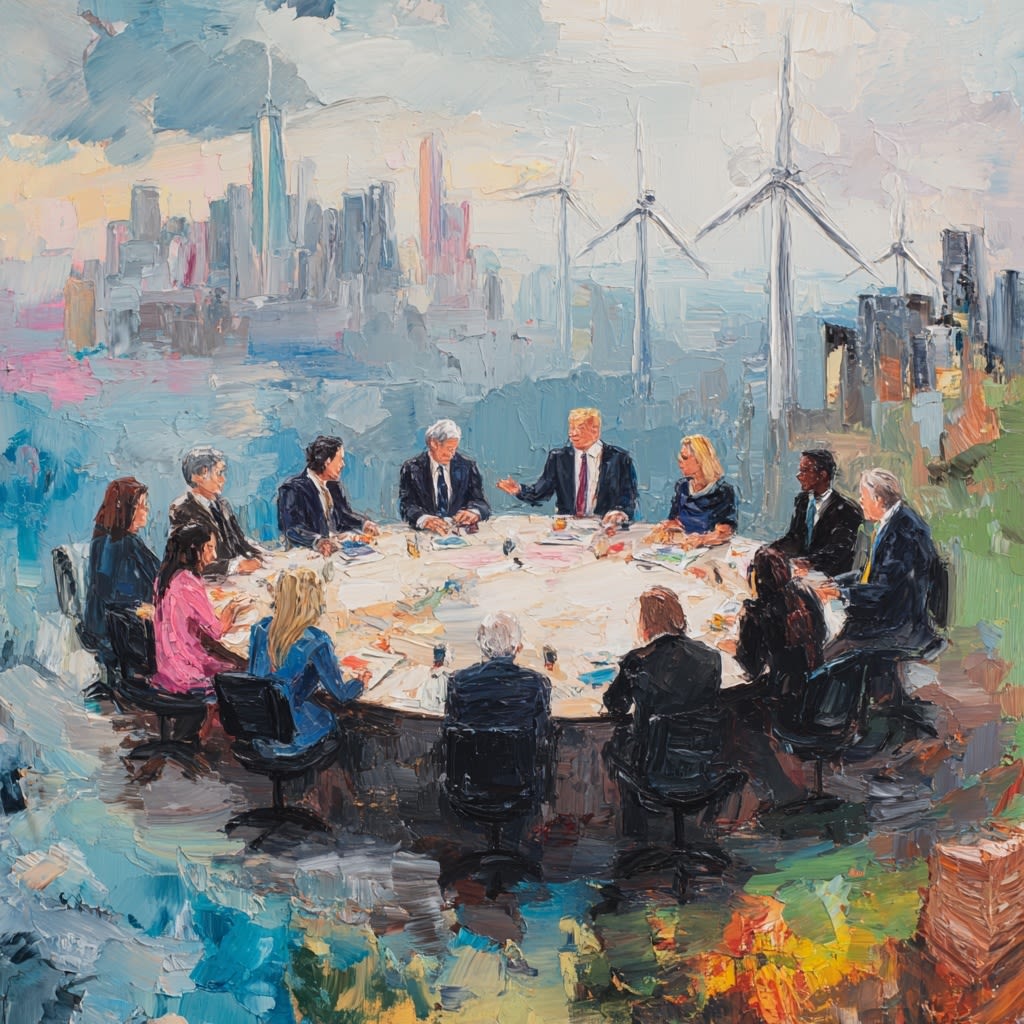
The Security Council maintains international peace and security and helps countries collaborate during crises. It has 15 members: five permanent (China, France, Russia, the UK, and the US) and ten elected. It can authorize sanctions or peacekeeping missions, and its Resolutions (unlike the General Assembly) are legally binding once agreed by 9 or more members and is not vetoed by any of the five permanent members. A representative from each member must be present at UN Headquarters to meet anytime.
When conflicts arise, the Council aims to stop fighting quickly. It may call for a ceasefire, send peacekeepers, or take stronger actions like sanctions or military force, while trying to protect ordinary people.
UNSG
Short for United Nations Secretary-General
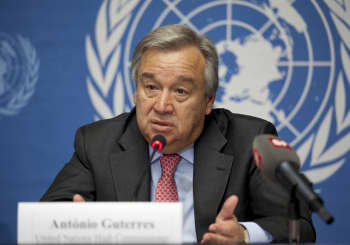
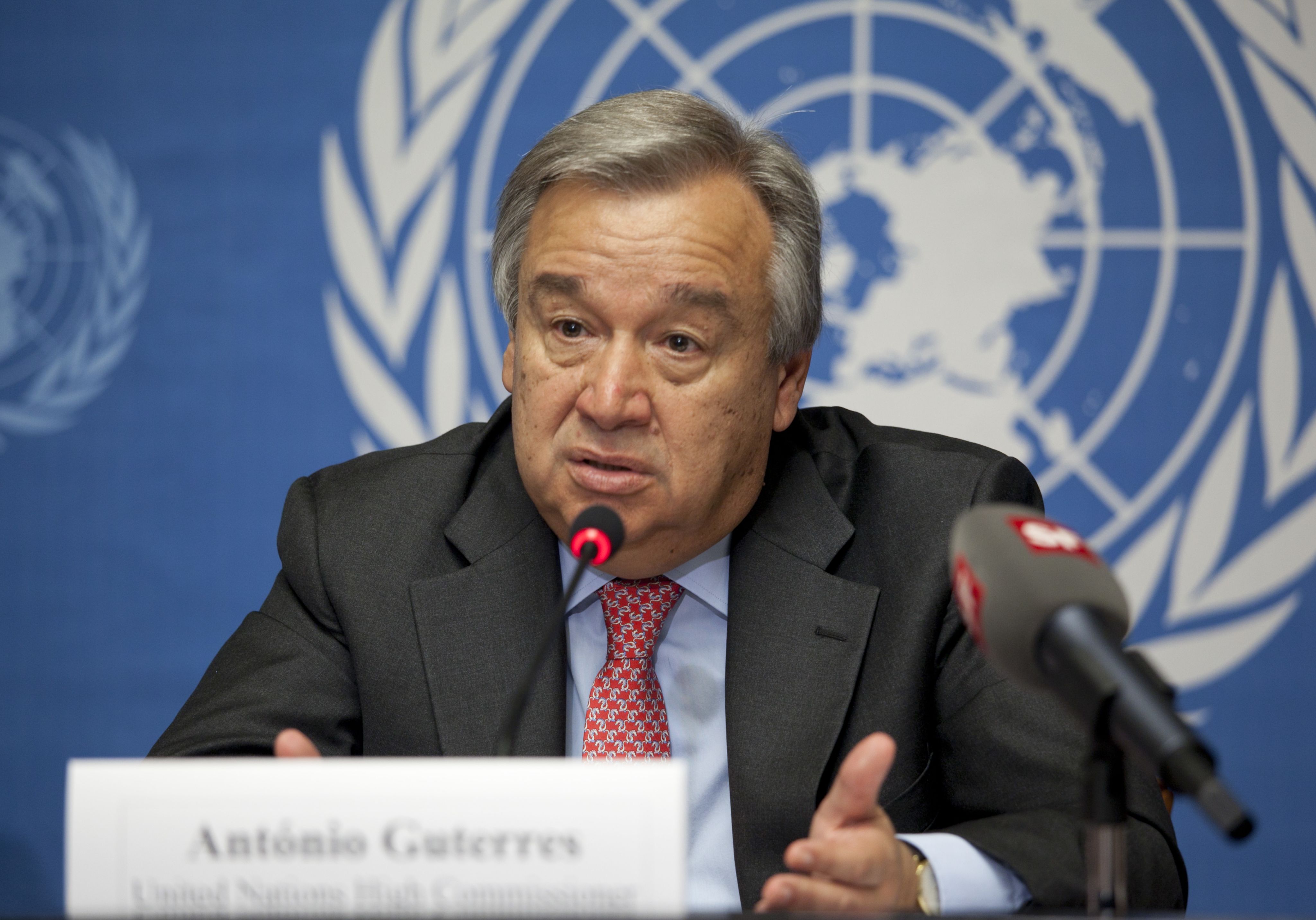
The Secretary-General is the UN’s leader, acting as a diplomat, advocate, and administrator. They lead the UN Secretariat, which includes staff worldwide who turn UN decisions into action. This role represents UN values and voices the concerns of those affected by poverty and conflict.
António Guterres of Portugal is the current Secretary-General, serving since January 1, 2017. His second term ends on December 31, 2026, with discussions about his successor already starting.
Recommended by the Security Council and appointed by the General Assembly, the Secretary-General carries out tasks from different UN parts and can raise issues threatening global peace.
Daily, they meet with world leaders, visit crisis zones, oversee UN operations, and publish an annual report.
Each Secretary-General shapes their role differently, reflecting their time's challenges. All must use “good offices,” quiet diplomacy, and mediation to prevent or resolve conflicts.

ECOSOC
Short for Economic and Social Council
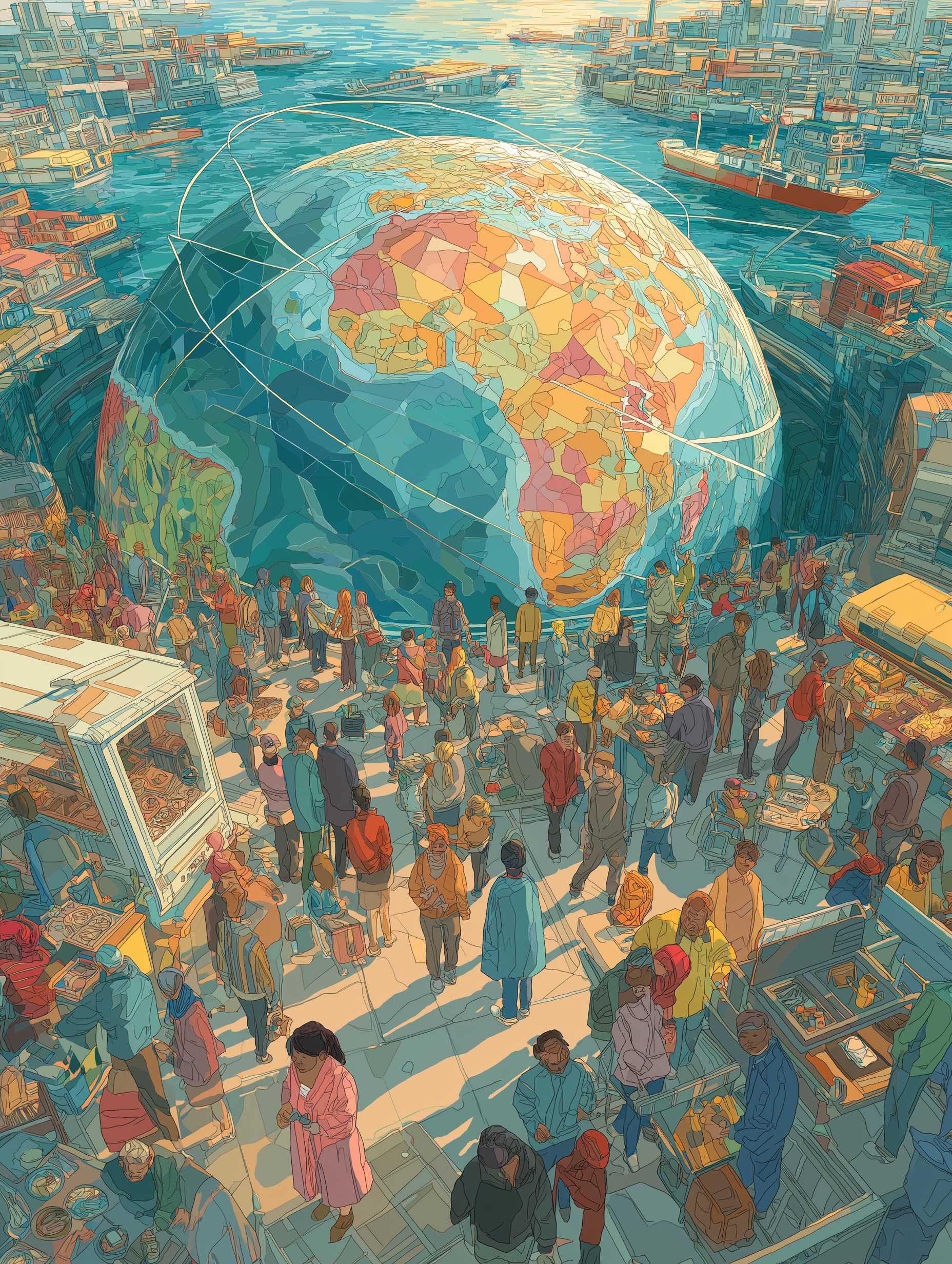
ECOSOC coordinates the UN’s work on economic, social, and environmental issues. It brings together all UN areas into one mission.
It has 54 Member States elected by the General Assembly. ECOSOC connects governments, experts, and organizations to share ideas and debate policies. It follows up on major UN conference results, ensuring global goals turn into real progress.
ECOSOC holds a four-week session each July, where governments review progress and set new priorities. It also hosts an annual Youth Forum, giving young people a voice in global development discussions.

ICJ
Short for International Court of Justice
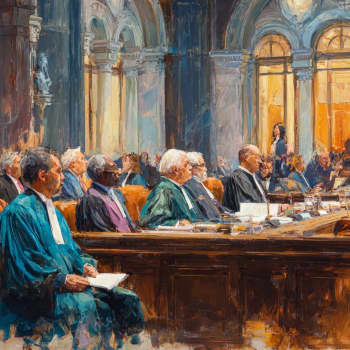
The ICJ settles legal disputes between countries and gives advisory opinions on international law. It resolves disagreements peacefully, using law instead of force.
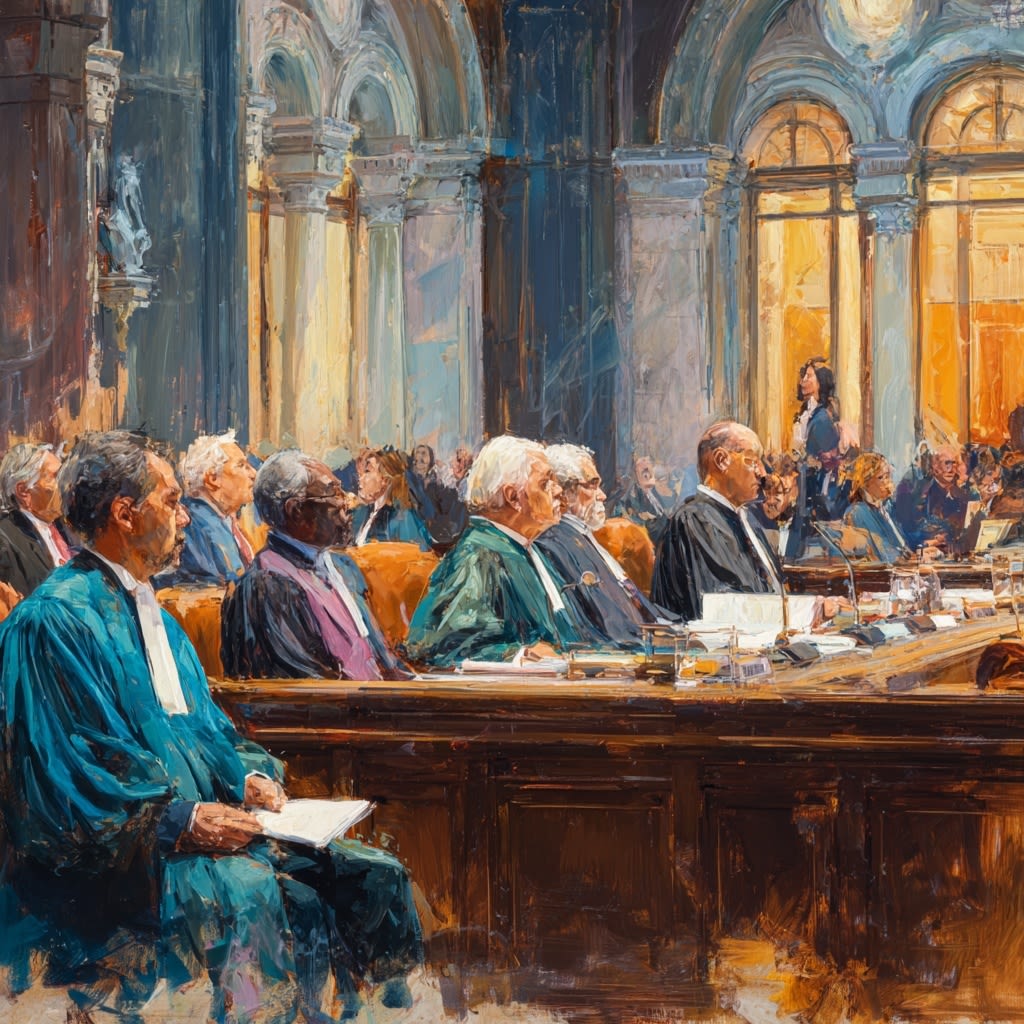
Based at the Peace Palace in The Hague, Netherlands, the Court has 15 judges elected for nine-year terms by the General Assembly and the Security Council. They represent different regions to ensure a broad legal perspective.
Only states can bring cases before the Court – individuals or companies cannot. While its rulings are legally binding, the ICJ lacks the power to enforce its rulings and relies on countries’ cooperation.
Daily, the Court hears cases on border disputes, treaty interpretations, and the use of force. By clarifying international law, the ICJ promotes justice and the rule of law worldwide.
SDGs
Short for Sustainable Development Goals… see also Global Goals, 2030 Agenda for Sustainable Development
The SDGs are 17 global goals adopted by the UN General Assembly in 2015 through the Resolution “Transforming our world: the 2030 Agenda for Sustainable Development.” They aim to secure a better life for people and a healthier planet by 2030.
These goals build on the earlier Millennium Development Goals (MDGs), which focused on poverty, health, and education in developing countries. The SDGs apply to every country, not just developing ones.
With only five years left until 2030, progress is slow – only about 17% of the SDG targets are currently on track. So, what comes next?
Multilateralism
“Multi” (many) and “lateral” (sides).
Multilateralism traditionally means alliances of several countries working toward common goals. Today, it’s broader, involving governments, international organizations, civil society, cities, and businesses in global solutions. Challenges like climate change and war cannot be addressed by one nation alone; they need cooperation.
The UN is the most visible example of multilateralism, giving every country a seat at the table. Other examples include international trade agreements and peacekeeping missions.
Multilateralism relies on dialogue, compromise, and shared responsibility. However, rising global tensions put it under pressure. The key question is how it can adapt and if nations will favor cooperation over competition.

Intergenerational
“Inter” (between) and “generation” (a group of people born around the same time)
Intergenerational describes relationships and cooperation between different ages. This often means younger and older generations working together on issues like peace and climate.
In the UN context, it brings multiple generations into discussions. Young voices offer fresh ideas and urgency, while older generations provide context and lessons from the past.
Everyone has a stake in the future. Intergenerational dialogue ensures decisions reflect the needs of all ages, combining innovation, insight, and shared responsibility for what comes next.
Future Generations
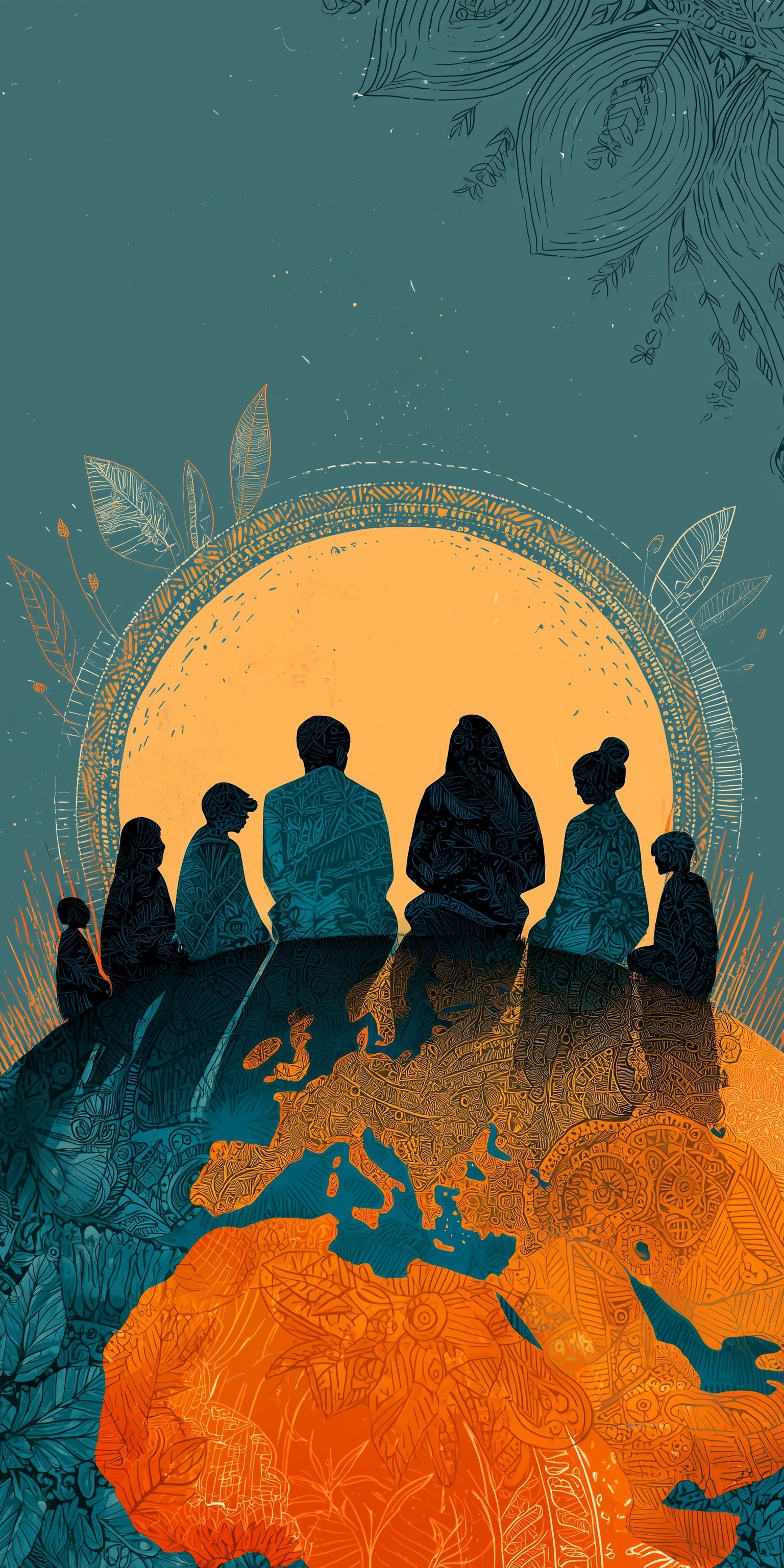
People who will live after us
This emerging focus across the UN system calls for today’s decisions to protect tomorrow’s people. Policies on climate, technology, and peace must safeguard those yet to be born.
The term refers to those who will inherit the outcomes of today’s choices, whether in the next decade or century. It emphasizes that progress must be sustainable and fair across time, not just borders.
The Declaration on Future Generations, adopted by the General Assembly in September 2024, outlines this shared responsibility. It urges governments to use today’s opportunities to create a better future for generations to come, meeting present needs while safeguarding the interests of future generations.
It supports newer efforts like the Group of Friends for Future Generations, which aims to keep future-focused policies on the UN agenda.
Protecting future generations means acting with justice, foresight, and shared responsibility. This builds a world that preserves opportunity, dignity, and hope for everyone who will one day call it home.
LDCs
Short for Least Developed Countries
LDCs are the 44 nations facing the toughest barriers to growth, such as fragile economies, weak infrastructure, and high exposure to climate shocks.
The UN identifies LDCs based on income, human development, and economic vulnerability. The Committee for Development Policy reviews this list every three years. Countries that make progress can “graduate” from LDC status, indicating stronger institutions and stable growth.
These countries receive special UN support through trade, finance and capacity-building, and support for participation in international forums to enhance resilience and promote sustainable development.
The Doha Programme of Action (2022–2031) is the latest global plan to speed progress in these countries, ensuring no one is left behind. It focuses on trade, technology, education, and climate resilience, aiming to unlock sustainable growth in the world’s most vulnerable economies. Find out more in our decoded!


FfD
Short for Financing for Development
FfD refers to the global effort to align how money is raised, transferred, and invested with economic, social, and environmental priorities. It includes both public and private resources – money raised through taxation and funds provided across borders via grants or loans.
The Addis Ababa Action Agenda, adopted at the United Nations in 2015, provides a framework for mobilizing resources and aligning finance with the 2030 Agenda for Sustainable Development.
This acronym was frequently mentioned during the Fourth International Conference on Financing for Development (FfD4), held in Spain in July 2025. It renewed global commitments to make sustainable development financially achievable for all.
Explore these issues through our animated series, The Economy Reboot, which dives into debt reform, aid, credit ratings, and how global finance can better serve both people and the planet.
Watch our animated series to dive into FfD4:

Pact for the Future
A global agreement adopted by United Nations Member States in 2024
The Pact for the Future is a landmark UN agreement outlining a shared vision for international cooperation. It was adopted at the Summit of the Future in September 2024, bringing together countries to renew commitments to peace, sustainable development, and human rights.
The Pact focuses on five key areas: sustainable development and financing, international peace and security, science and technology, youth and future generations, and reforming global governance. It aims to make multilateralism more effective and prepare the UN for future challenges.
The Pact includes two related agreements: the Global Digital Compact, focusing on digital cooperation, and the Declaration on Future Generations, reinforcing our responsibility to those yet to be born.
Learn more about what’s inside, why it matters, and what happens next in Pact Decoded.

Agencies, Funds and Programs
The operational arms of the United Nations system
These bodies turn global commitments into action on the ground; from delivering humanitarian aid to supporting education, health, and development.
Specialized agencies such as the World Health Organization (WHO), Food and Agriculture Organization (FAO), and International Labour Organization (ILO) are separate organizations linked to the UN through formal agreements. They each have their own governing bodies, budgets, and membership, but coordinate closely with the UN.
Programmes and funds, including UNICEF, the UN Development Programme (UNDP), and the World Food Programme (WFP), report directly to the General Assembly or ECOSOC. They are funded largely through voluntary contributions and focus on issues such as poverty reduction, humanitarian relief, and sustainable development.
Together, these entities form the UN development and humanitarian system, working in nearly every country to improve lives and advance the goals of the United Nations.
Permanent Missions
Each country’s official representation to the United Nations
Permanent Missions handle the relations between a country and the UN. Take a walk near the United Nations buildings in New York, Geneva, and even in Vienna and Nairobi and you might find their offices.
Every UN Member State has a Permanent Mission, led by an Ambassador or Permanent Representative, who speaks and negotiates on behalf of their government. These diplomats represent their countries in UN meetings, draft resolutions, and coordinate with other countries to shape UN decisions on peace, development, human rights, and global cooperation.
Permanent Missions serve as the main link between national governments and the UN system – ensuring that each country’s voice, priorities, and perspectives are heard in global discussions. They’re called permanent because their role at the UN is continuous, not temporary, this is so we can tell them apart from temporary missions or delegations which may be sent by governments for specific events like UNGA.



UNF
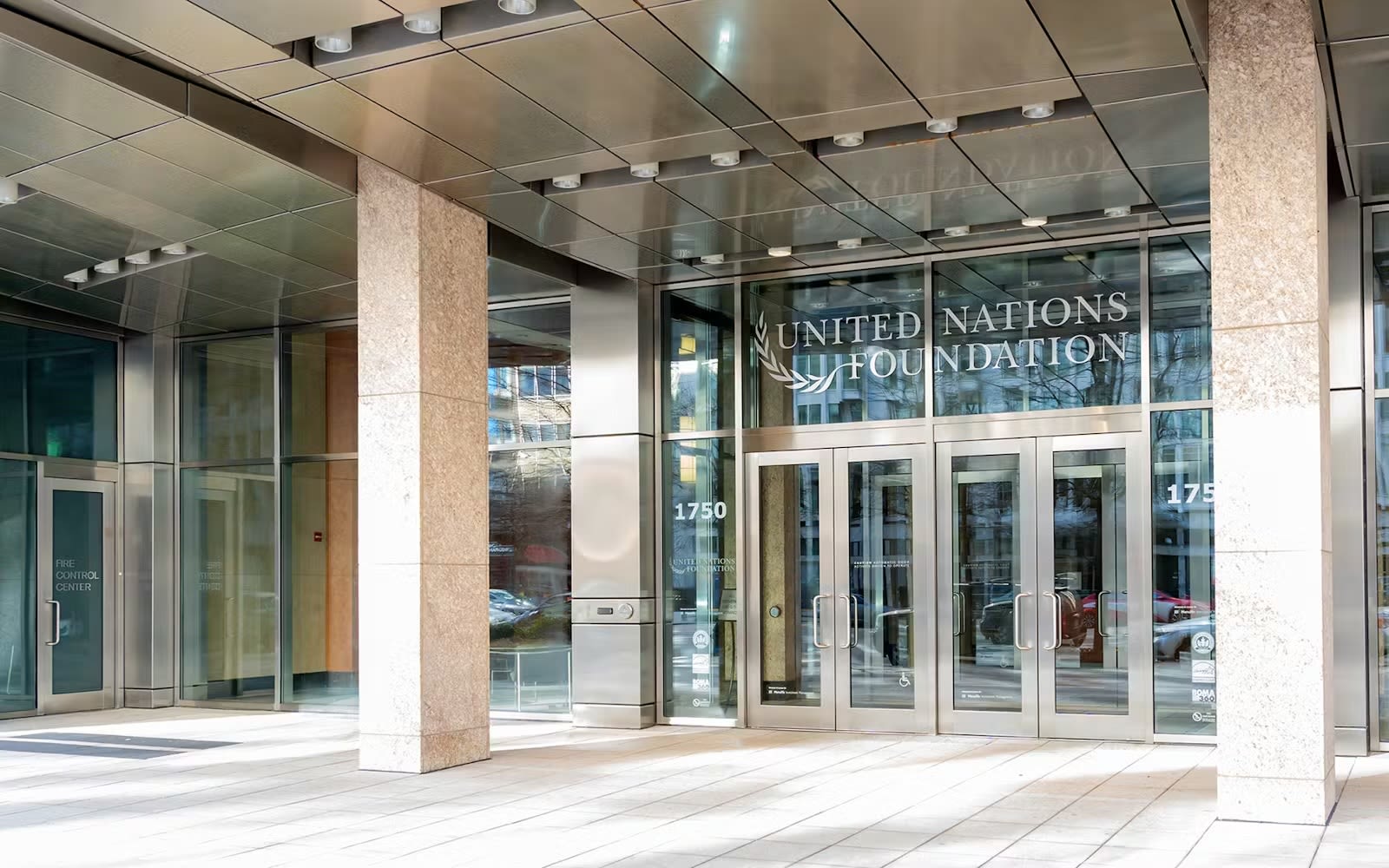
Short for United Nations Foundation
That’s us :)
An independent nonprofit that builds partnerships, mobilizes resources, and connects people everywhere with the UN’s work. The United Nations Foundation connects people, ideas, and resources to support the United Nations and advance global progress. With over 25 years of experience building innovative partnerships, the Foundation helps ensure that emerging voices – especially young people – are part of global solutions.

That’s enough for now!
These 15 words, acronyms and phrases may sound technical, but they’re the shorthand for how the world cooperates – how nations negotiate peace, fund progress, and plan for generations to come. Understanding them means understanding the machinery that shapes our collective future.
They sure do save you breath… Try saying I’ll meet you during the High-Level Political Forum on Sustainable Development in the Economic and Social Council Chamber to discuss the 2030 Agenda for Sustainable Development three times fast.
 Built with Shorthand