
Unlocking the Future
Insights from Young People Before and During UNGA 80
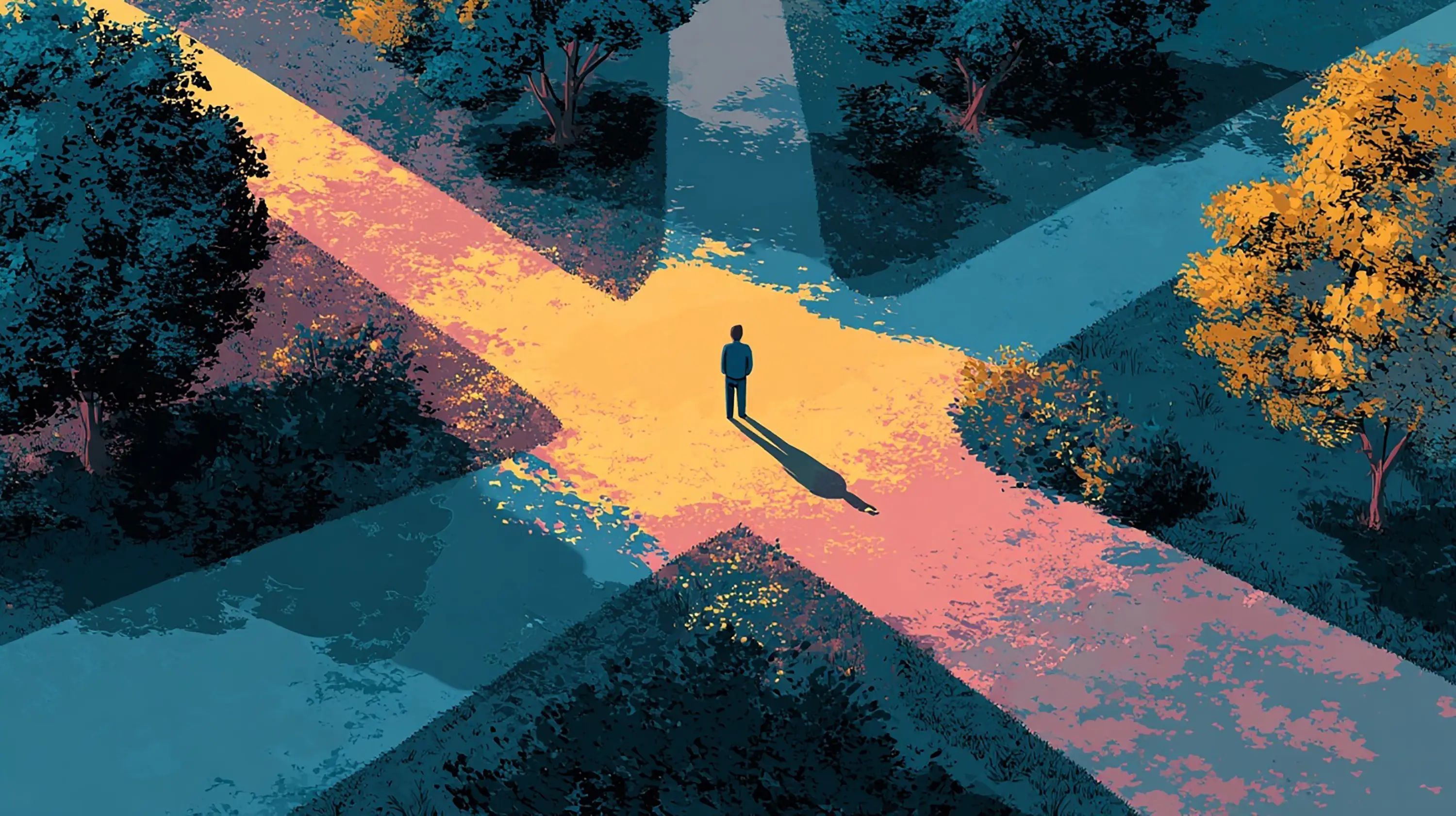

As the United Nations turned 80, young people worldwide took action. They organized and imagined what global cooperation should look like – not just by 2030, but by 2100.
Leading up to UNGA80 in September 2025, the Unlock the Future coalition held regional and global youth dialogues across five continents. These conversations concluded with a flagship event at the Ford Foundation in New York. They captured the urgency and creativity of young changemakers shaping the future.
In these youth-led sessions, young people tackled three main questions:
What needs to happen now to reach the SDGs by 2030? What kind of UN and global leadership do they want?
What might the world look like by 2100 if we succeed?
A Make-or-Break Moment
With only 17% of the Sustainable Development Goals on track, young participants voiced their frustration. Yet, their determination stood out. They see the 2027 SDG Summit as a credibility test for the international system. If institutions fail to act, trust will erode.
From Nairobi to New York, young people called for “visible wins” and a shift from empty promises to real results. Their message was clear: success is measured by improved lives, not just declarations.

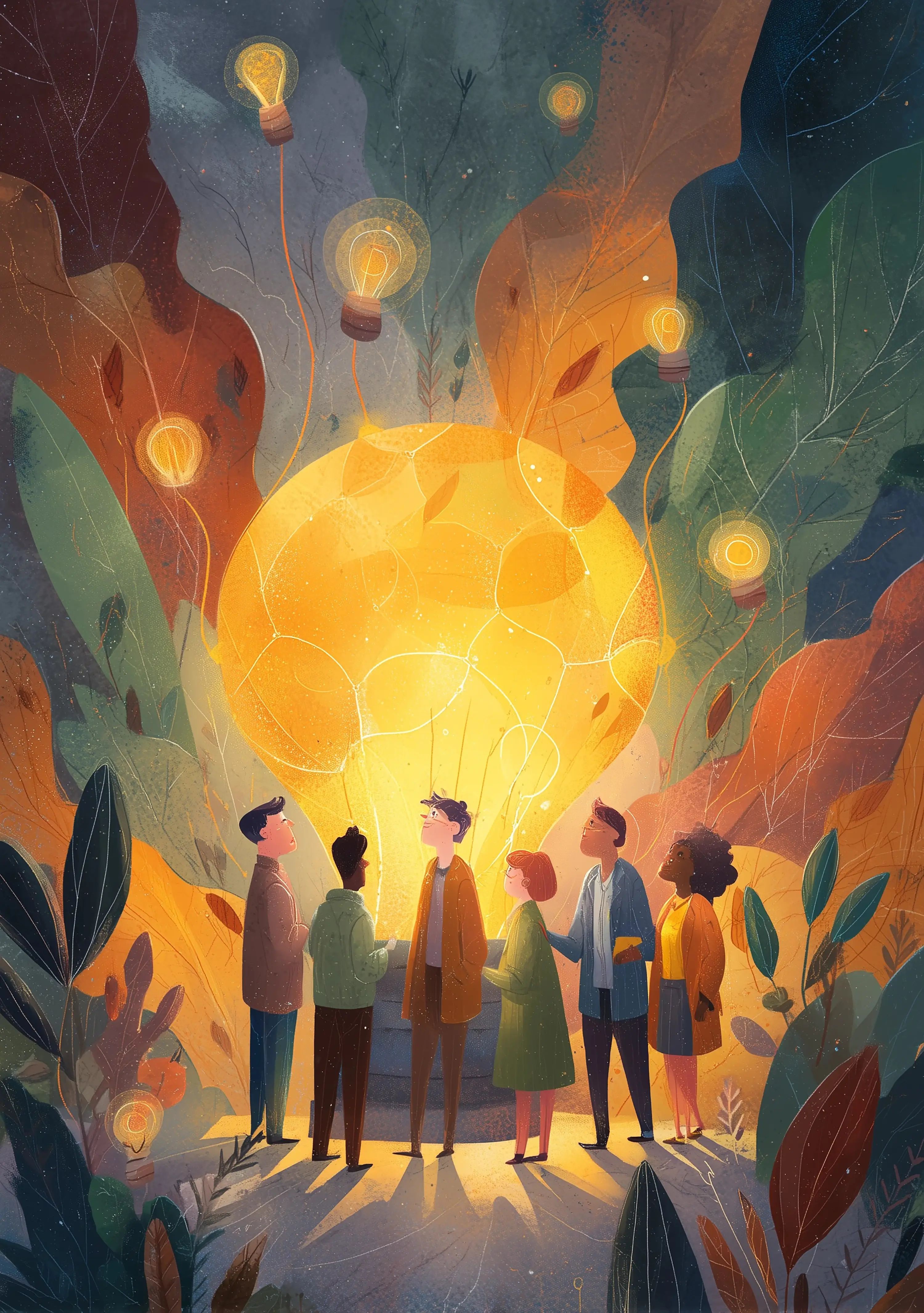
Reimagining Leadership for a New Era
Young people described the leadership they expect from the next UN Secretary-General. They want a leader who is relatable, human, and decisive. They envision someone who speaks with empathy and urgency, avoiding jargon. Many hope for a leader from the Global Majority – perhaps the first woman – who can unite a divided world and elevate sidelined voices.
They were specific. From day one, they want the next Secretary-General to support open civic space, combat mis- and disinformation, prioritize universal health and education, and find real solutions to the climate crisis. Young people proposed a 500-day agenda detailing what effective action should look like in climate, AI governance, civic inclusion, and health An Indigenous Advisory Group with real decision-making power was suggested. Other proposals included making UN communications available in multiple languages, participatory budgeting, and clear progress dashboards. These would prove practical steps to make the UN more relatable to people's daily lives.

Young people are building the future – now.
Throughout the dialogues, young people showcased their efforts to drive change. In Brazil, a youth-led group is advocating for greener cities and influencing new local park policies. In Ghana, the Africa Youth Climate Fund demonstrates how youth governance can lead to adaptation. From the Middle East to Asia, youth are crowdfunding, campaigning, and caring for their communities through mutual aid.
These changemakers embody the 3.5% rule - the small but powerful segment of the population that can shift history. Unlock is working to spotlight this group and connect them to global.

What Needs to Change (and Fast)
From the dialogues, five urgent themes emerged:
1. Shrinking Space, Shrinking Trust
Young people worry about reduced civic space and exclusion from decisions affecting their lives. Repression, economic hardship, and unequal tech access hinder progress. They stress the need to protect participation, ensure language justice, and invest in civic education.
2. Institutions Must Reform
There were consistent calls for UN reform, especially of the Security Council. Youth said institutions should not only look different but act differently – with accountability, transparency, and power-sharing at their core.
3. The Climate Crisis is Personal
Young people face daily consequences of climate inaction. They demand equitable climate finance, adaptation strategies for the vulnerable, and recognition that the climate crisis is also a justice crisis.
4. Digital Governance Must Catch Up
Youth view AI and emerging tech as double-edged swords. While they welcome innovation, they also fear misinformation, job displacement, and data privacy issues. They call for stronger global standards and an inclusive digital compact.
5. Invest in grassroots action
High-level political efforts have less impact now. Global governance reflects local divides. Young people shared that we need to focus on renewing institutions at the national level. This means rebuilding trust between people and their government, including exploring new models of cooperation sparked by young people.

From Imagination to Action
These dialogues go beyond listening. They aimed to generate bold, youth-led proposals and validate them with senior allies. The outcome? Concrete ideas that the Unlock the Future coalition is now pursuing, including:
- A renewed effort to connect youth voices to global milestones like COP30, Beijing+30, and the 2026 UN Secretary-General selection.
- A People’s Handover Report for the next UN Secretary-General during the final SDG Summit in 2027, shaped by young people’s input worldwide.
- A Engine Room for the Future on Discord that supports young changemakers lead on projects that decode the UN, mobilize for the SDGs, and explore what happens after 2030.
- A growing Funders Collective to resource youth-led action with flexible, long-term support.
Ongoing national town halls and intergenerational platforms to elevate youth priorities before the 2027 SDG Summit.

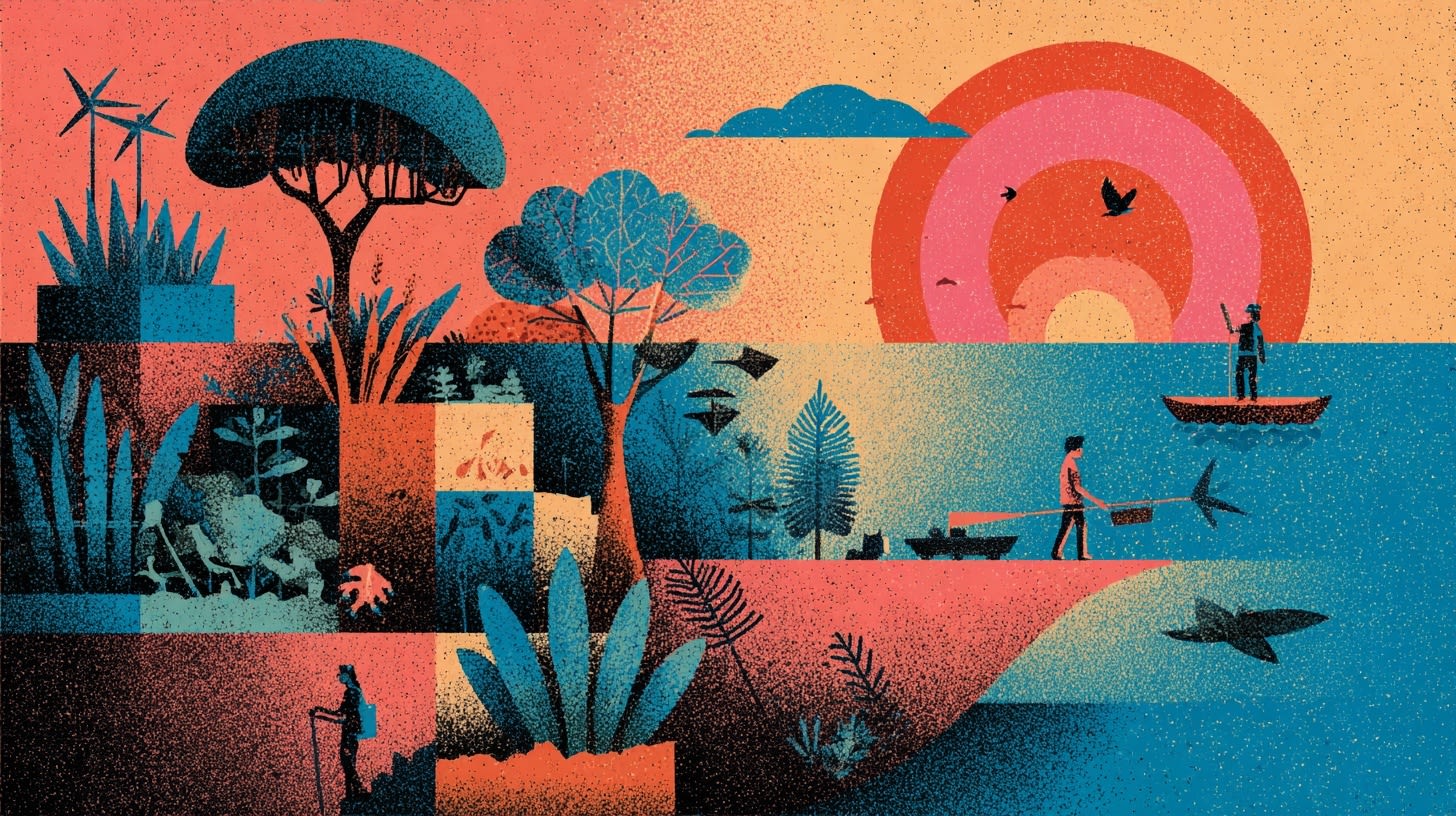
What Comes Next?
The final SDG Summit in 2027 is a defining moment. For many young people, it will test whether global cooperation can work for their generation and those to come. Unlock the Future is using this time to focus energy, partnerships, and imagination on one question: how do we deliver now and lay the foundation for what comes next?
Through its Road to 2100 strategy, the coalition is expanding its youth dialogues, growing the Funders Collective, launching new storytelling tools, and preparing a youth-powered agenda for 2027 and beyond. The goal isn’t just to catch up on the SDGs – it’s to build something lasting.
So, if you’re wondering who’s preparing for the world of 2100, the answer is clear: young people are. The rest of us just need to keep up.

 Built with Shorthand