
Belém Through Our Eyes
What an intergenerational town hall at COP 30 revealed about the future
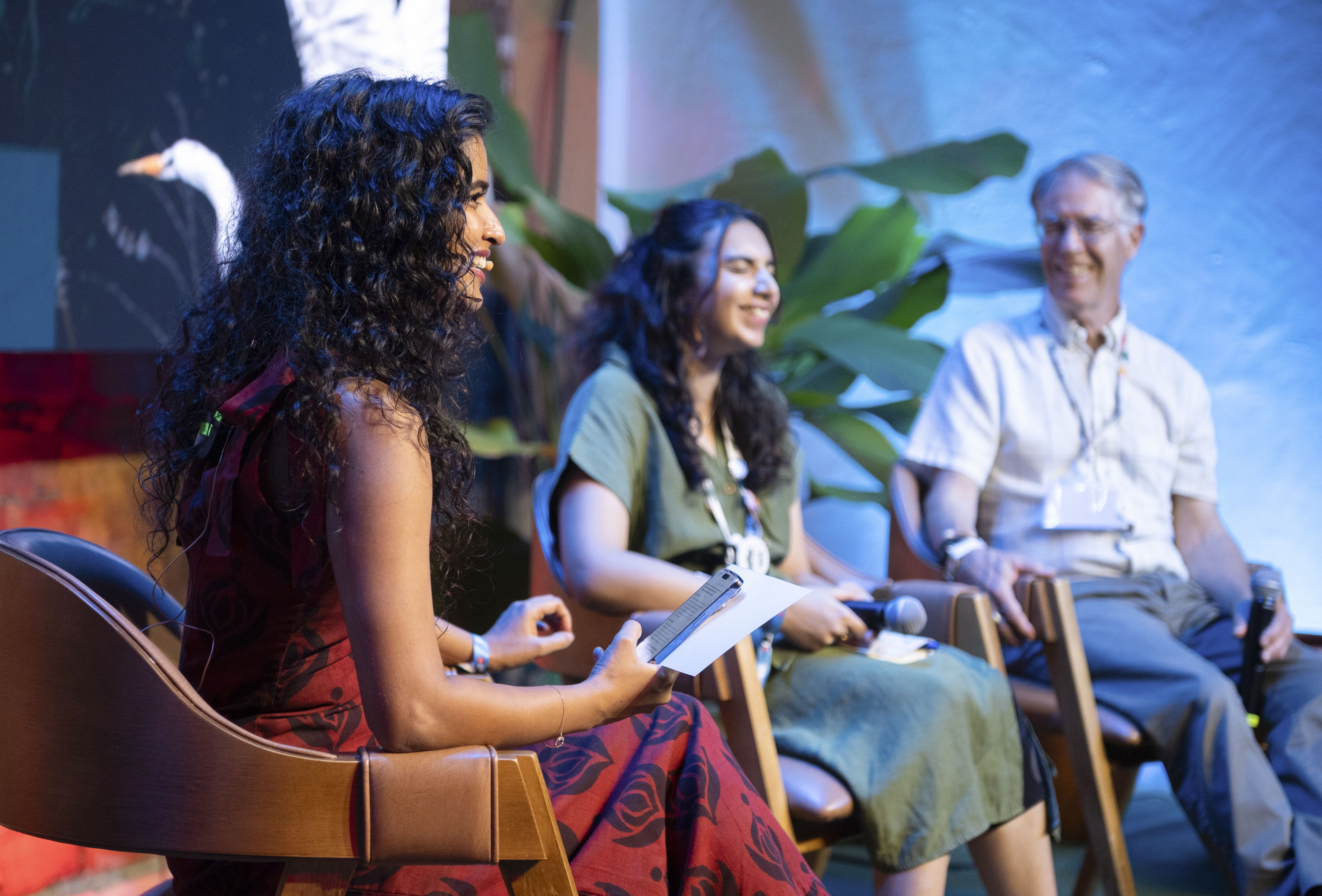

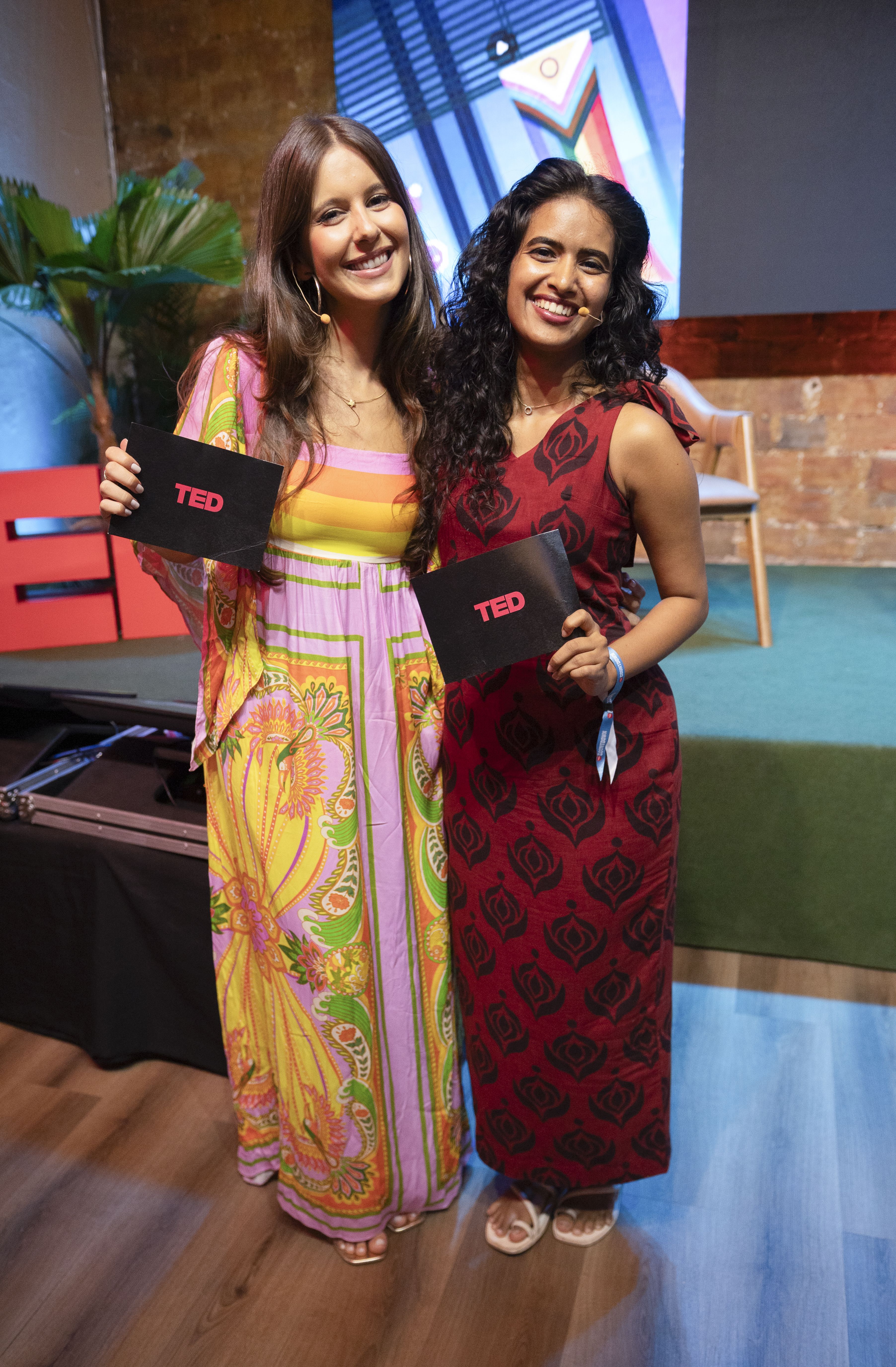
On the sidelines of COP 30, Next Generation Fellows Prachi Shevgaonkar and Renata Koch Alvarenga hosted an Intergenerational Town Hall that sparked bold ideas for our shared future and spotlighted how the Global South is reimagining international cooperation.
Hosting the COP 30 Intergenerational Town Hall in Belém felt like stepping into the very reason we became Next Generation Fellows.
As part of our work with the United Nations Foundation’s Our Future Agenda program, we help create spaces to support young leaders in shaping long-term global cooperation. One of our most powerful tools is our Intergenerational Town Halls, held around the world, from Delhi to Nairobi to Rio.
Belém was the latest, and one of the most meaningful, in this growing global series. The Town Hall brought together young people, elders, policymakers, artists, scientists, and community leaders to imagine what our world should look like by 2030 and 2100, and to summon the courage needed to make those futures real.
“We believe that is intergenerational stakeholders united for climate action, real transformation can happen. This belief is not naive – it is necessary.”


What Belém Meant to Us
For both of us, Belém became something deeply personal.
As young women from the Global South, hosting this town hall in the Amazon — and in both English and Portuguese — made the future we are working toward feel closer, clearer, and more connected to the communities that shaped us.
The two of us have devoted years to working globally on climate action. Creating this intergenerational space on home soil made our work feel newly alive. In many ways, Belém became the moment where our global journeys and our local roots finally met. It reminded us that the Global South isn’t just where we’re from; it’s a compass guiding the way forward.
The room held a rare energy: warm, hopeful, and full of both urgency and care. People quickly leaned into the intergenerational exchange. Elders and young people listened to one another with curiosity and respect, a kind of attention that can be hard to find in the negotiation-heavy rhythm of COP.
Certain moments will stay with us long after COP 30. One was when we asked if audience members had ever felt powerless or sidelined in climate spaces. Nearly every young person raised a hand. The honesty of that response — so many people across continents sharing the same experience — revealed how important it is to create spaces where young people feel seen and heard.
Another lasting impression came through art. Uýra Sodoma, an Indigenous travesti artist from Pará in the Central Amazon, opened the Town Hall with a performance that wove movement, voice, and paint into a powerful expression of ecological memory. The performance’s imagery of rivers, resilience, and nonlinear life cut through the technical rhythm of COP and returned everyone to the emotional core of climate action. Many people in the room had tears in their eyes.
We had the privilege of hosting science fiction writer Kim Stanley Robinson, one of the world’s most influential climate storytellers and the author of The Ministry for the Future. His presence bridged imagination and governance in a way that few writers can. Alongside Ayshka Najib, a powerful Global South voice from Fridays for Future MAPA, and Ambassador Ruleta Camacho of Antigua and Barbuda, a leading advocate for climate justice and Small Island States, the conversation we moderated showed what intergenerational leadership looks like when youth, artists, thinkers, and policymakers meet in solidarity.
Imagining the Future Together...
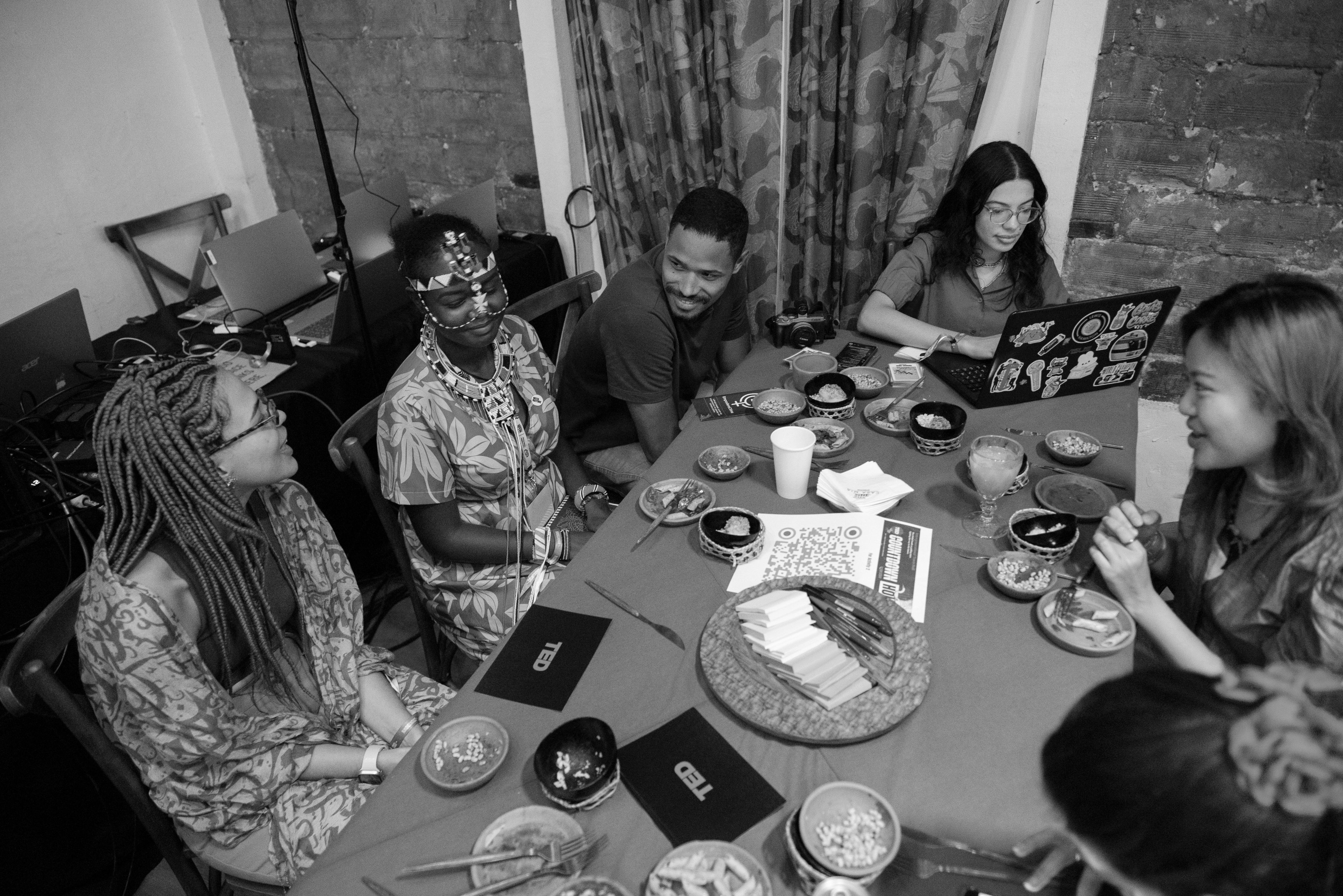
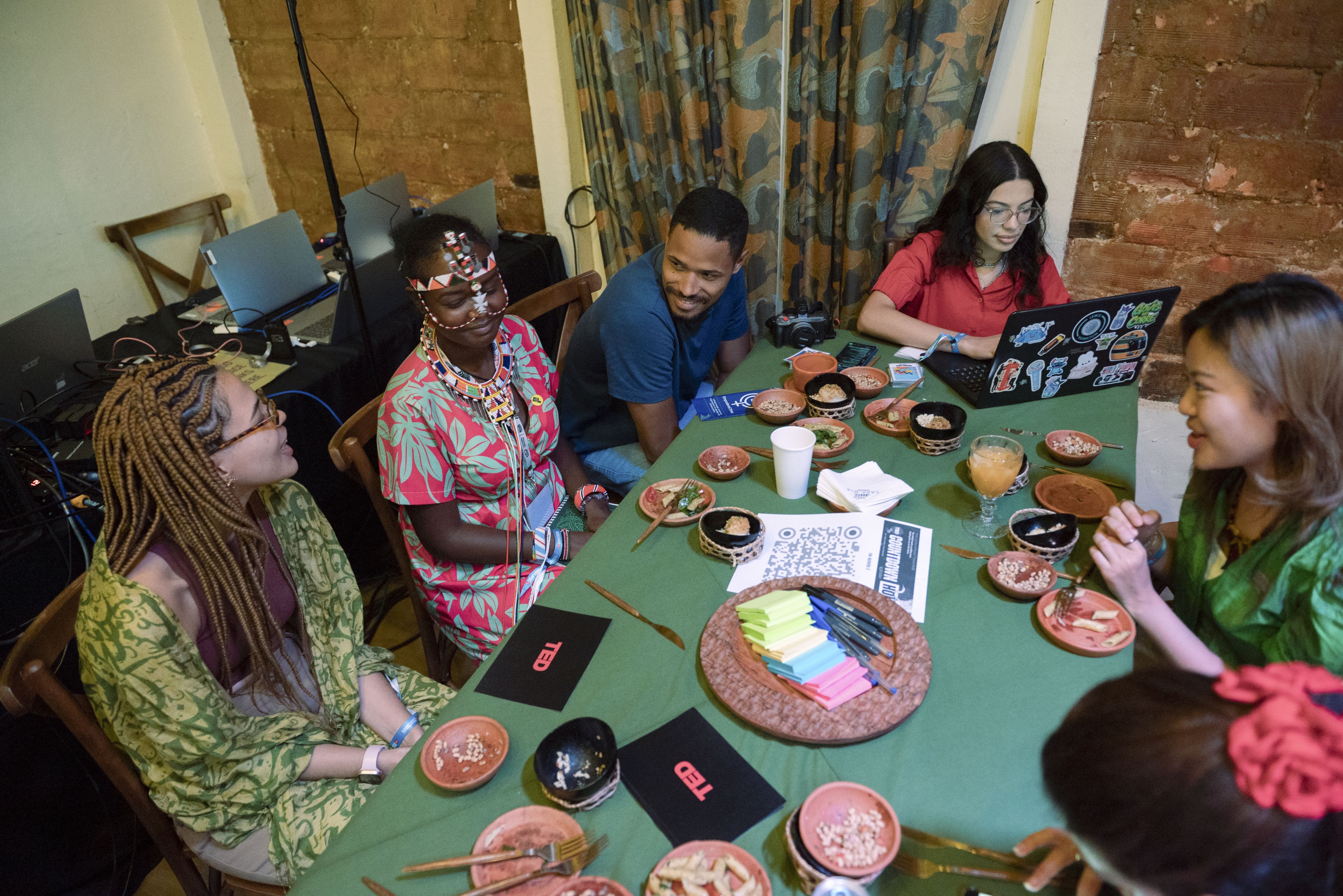
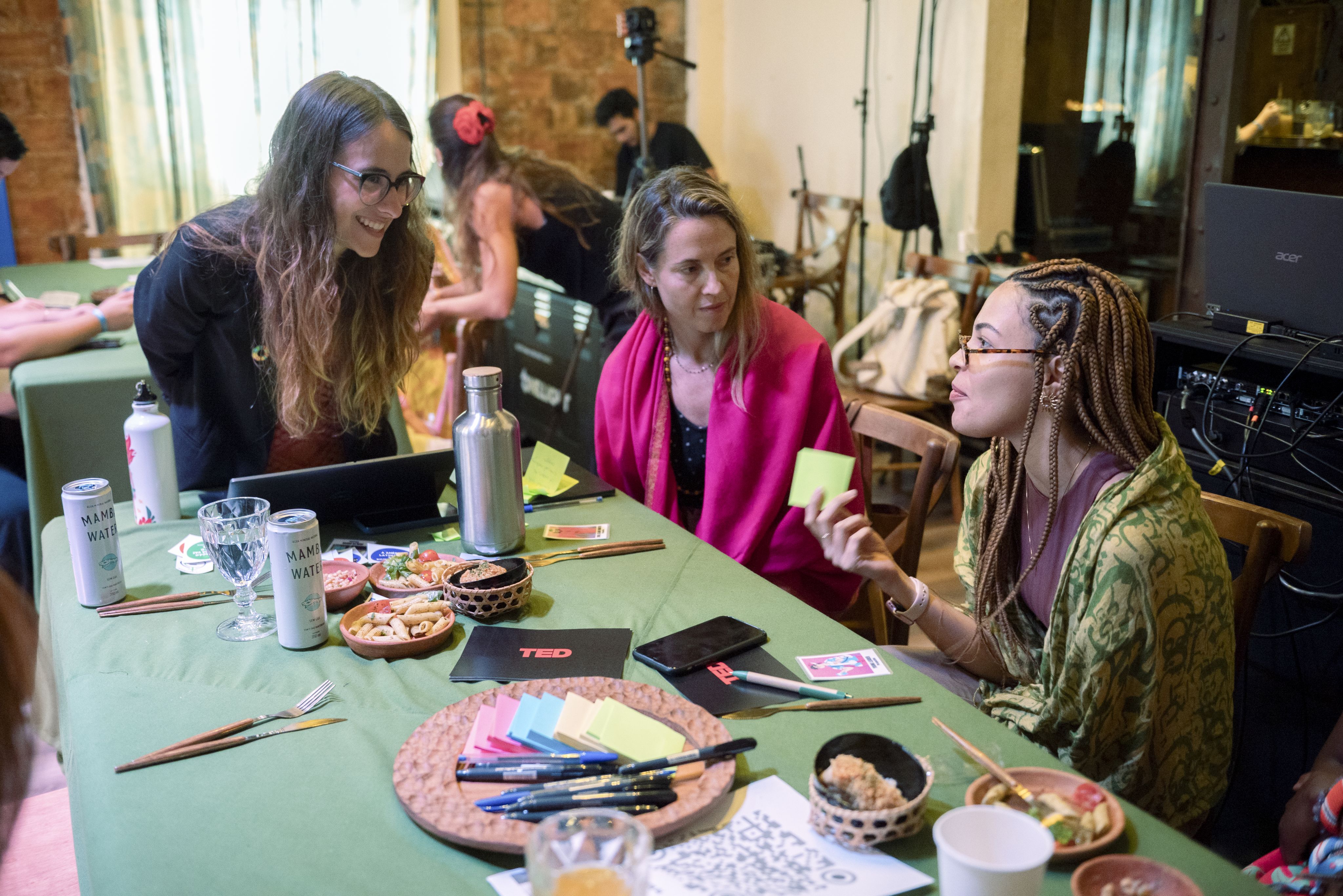
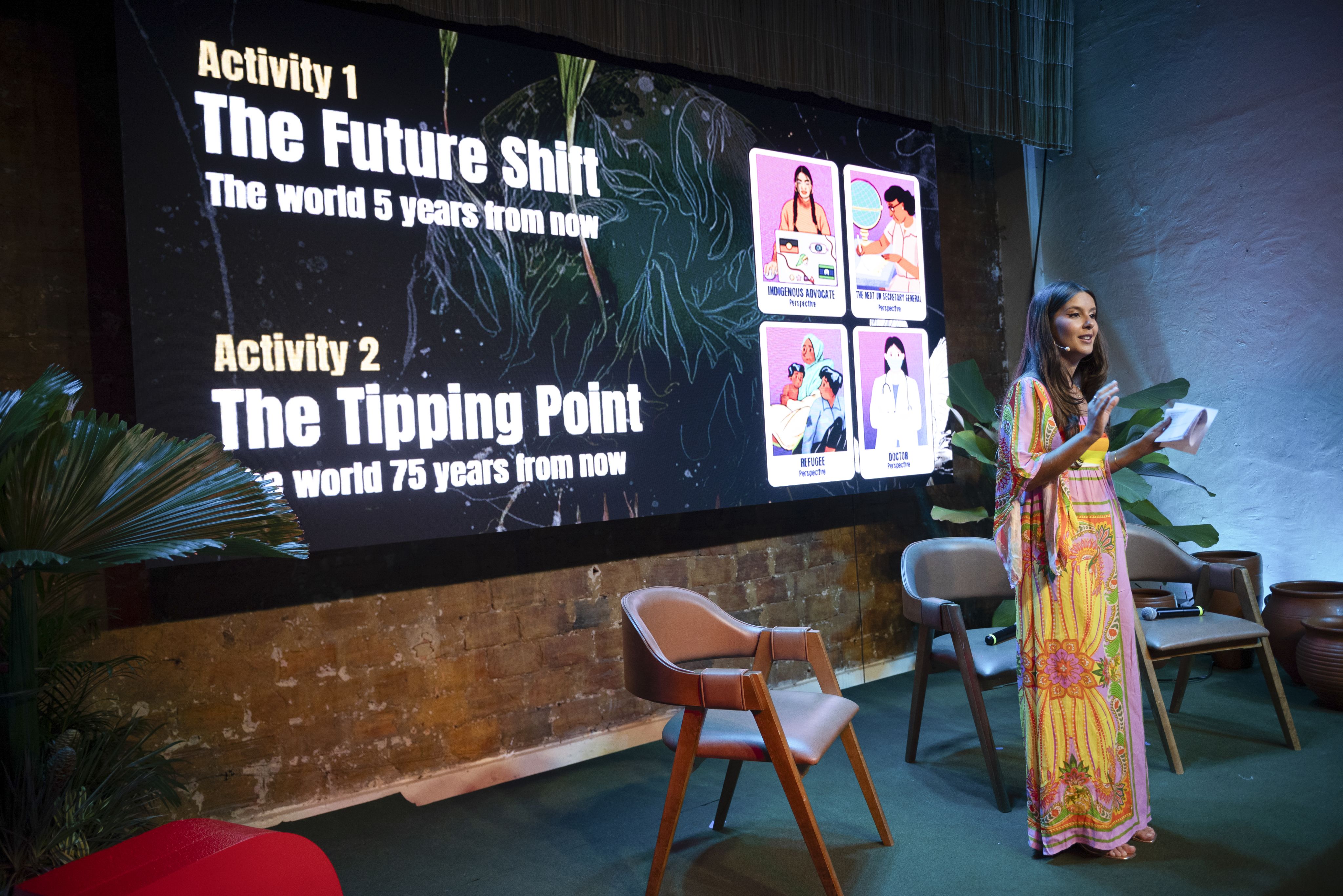
One of the most powerful parts of the Town Hall was the 2100 Futures Lab, an exercise that invited everyone to imagine the world 75 years from today.
Because we ran the exercise in the context of the Amazon and the Global South, the visions that emerged were radically different from what the same exercise might produce in traditional diplomacy forums. They were deeply rooted in place: coral reefs being restored in Antigua and Barbuda, a marine national park taking shape in Bahia, cities becoming more resilient, and communities evolving to be more equal. These futures came directly from lived experience, shaped by where people come from, what they love, and what they hope to protect.
As we moved among the tables, we heard something important: imagining the future can feel like a luxury when daily life demands all your energy. Naming this openly changed the exercise. It gave people permission to imagine futures that were realistic and urgent, grounded in justice and resilience. Even so, the act of imagining created a brief opening — a space where long-term visions became possible again.
That same energy carried into the Letters from Belém, written on Planet Dreamers, the platform we built through our fellowship to hold the visions of young people around the world and connect them to world leaders and decision makers. Since the idea for Planet Dreamers was born in Brazil, launching it in the Amazon felt like completing a circle. The letters written in Belém echoed the grounded futures of the Lab and will now inform the Belém Declaration for Future Generations.
Throughout the 2100 Futures Lab, we kept returning to a simple idea: It takes only 3.5% of committed citizens to shift societies. And we saw that catalytic community across the room, young people ready to act, Indigenous leaders carrying memory and knowledge, artists reconnecting emotion to climate dialogue, scientists translating evidence into urgency, and ministers and ambassadors willing to listen.
This mixture of people, side by side, imagining futures together, embodied the intergenerational energy we need to create real change and reminded us that global leadership is a constellation that extends across continents.

Where Belém Leads Us

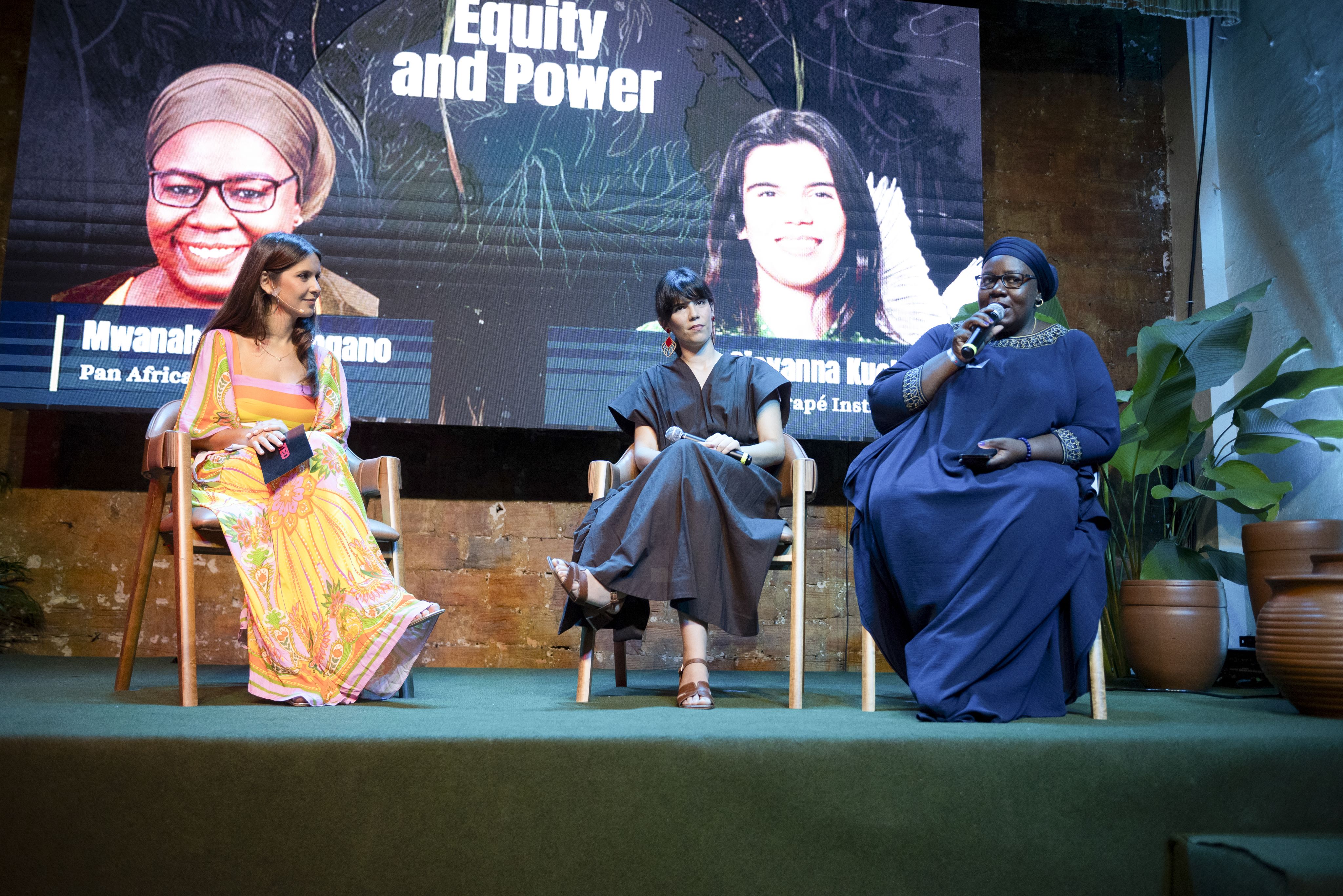
Belém reminded us that intergenerational leadership is not a slogan; it is a practice, and it is central to the world we are working toward beyond 2030. Through our world-spanning series of Town Halls, we have been building a global architecture for meaningful youth engagement. It’s a way of bringing generations together to imagine what cooperation should look like in 2030, 2050, and by the turn of the century.
Belém now becomes part of that architecture. The ideas imagined in the Futures Lab, the Letters from Belém submitted to Planet Dreamers, and the pathways identified throughout the Town Hall will feed into the next phase of our work, including the post-2030 agenda, the Road to 2100, and the next series of Town Halls planned ahead of the SDG Summit in 2027, the last one before the 2030 deadline to achieve the Sustainable Development Goals.
Crucially, the outcomes of this Town Hall will not stay in Belém. We will share them with the next Youth Climate Champion for COP 31, ensuring that the priorities raised in the Amazon, from justice and solidarity to the leadership of Global South women, Indigenous peoples, and youth, continue into the next COP cycle. This Town Hall has become part of the handover, a way to ensure continuity in long-term climate leadership across summits and years.
Belém reaffirmed some truths we have learned across every Town Hall we’ve hosted: Young people bring urgency and clarity; elders bring memory and institutional wisdom; artists bring emotional truth; and policymakers bring pathways to scale. This is how we will build the long-term thinking and intergenerational solidarity needed for what comes after the SDGs, after 2030, and into the future we owe to those who will come after us.
Belém Reminded Us Why We Are Here
As we closed the Town Hall, we found ourselves returning to two commitments that will guide our work in the years ahead.
We believe that if intergenerational stakeholders unite for climate action, real transformation can happen. This belief is not naive — it is necessary.
We also believe that women, Indigenous peoples, young people from the Global South, and other marginalized groups must participate in climate decision-making, backed by bold commitments to protect our lands, livelihoods, and the planet itself.
Community can be built across continents, imagination is political, and young people belong in the engine room of multilateralism. Belém showed that futures thinking must be grounded in lived reality, and that leadership must move in both directions: from elders to youth and from youth to elders.
Most of all, it reminded us, as Next Generation Fellows, that we are building a movement — one increasingly defined by the leadership and imagination of young people from countries across the Global South lighting the way forward.

Our Future Agenda’s COP 30 Intergenerational Town Hall was co-hosted by the UN Foundation, Natura, and TED Countdown. It’s the latest in a global series that creates spaces for diverse generations to engage on pressing national issues in a rapidly changing world.

 Built with Shorthand